


Tragedy Strikes Arizona’s Grueling Cocodona 250 Ultramarathon
A Runner’s Final Race Through the Arizona Wilderness
The ultramarathon community is mourning the loss of one of their own after a devastating incident during one of America’s most challenging endurance races. On Tuesday, a woman in her 40s collapsed and died while participating in the Cocodona 250, a punishing 250-mile race that winds through some of Arizona’s most spectacular and demanding terrain. The tragedy occurred at a trailhead in the Groom Creek community, located south of Prescott, where first responders rushed to help the fallen runner. Despite their efforts, she could not be saved. Race co-director Erika Snyder confirmed the heartbreaking news while respecting the family’s wishes for privacy during this difficult time. The Yavapai County Sheriff’s Office is investigating the medical emergency that led to this tragic outcome, though specific details about what caused the runner’s collapse have not been released to the public.
The loss has sent shockwaves through the tight-knit ultramarathon community, where runners, volunteers, and supporters form deep bonds through their shared passion for pushing human limits. In a statement posted on social media, the race organizers expressed their grief while also honoring the fallen runner’s spirit: “Please keep the runner’s family, friends, fellow runners, volunteers, and first responders in your thoughts. We are deeply grateful to this beautiful community. The race is going to continue in their honor. We ask all participants and crew to carry the memory of this runner with you on the trail.” This decision to continue the race reflects the ultramarathon culture’s philosophy of perseverance and honoring those who dedicate themselves to the sport. Fellow runners pressed forward through the Arizona landscape, carrying with them the memory of a competitor who shared their passion for testing the boundaries of human endurance.
Understanding the Extreme Challenge of the Cocodona 250
The Cocodona 250 stands as one of the most formidable ultramarathons in the United States, a race that demands everything from those brave enough to attempt it. The course, which begins in Black Canyon City and winds its way through Sedona before finishing in Flagstaff, presents runners with an elevation gain of more than a mile—not once, but twice—as they traverse northern Arizona’s varied and challenging terrain. Participants have 125 hours, just over five days, to complete the journey, which links some of Arizona’s most iconic and beautiful trails. According to local CBS affiliate KPHO, the race showcases the state’s natural splendor while simultaneously testing every physical and mental limit a runner possesses.
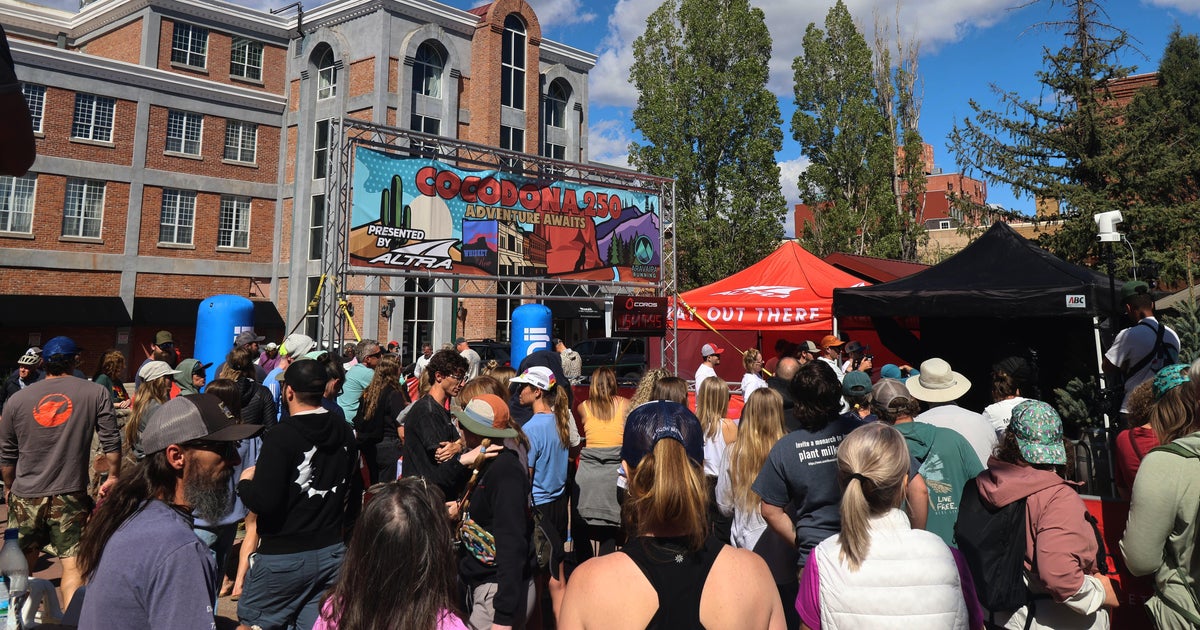
This year’s race began Monday before the sun rose, with dozens of determined runners setting out into the darkness. By Wednesday afternoon, the overall winner, Rachel Entrekin, crossed the finish line in downtown Flagstaff to thunderous applause and cheers from a crowd of supporters. Her victory was even sweeter as she set a new course record, though the achievement was undoubtedly bittersweet given the tragedy that had occurred just hours earlier. The scene in Flagstaff captured the dual nature of ultramarathon running—the joy of extraordinary human achievement shadowed by the very real risks that come with pushing the body to such extremes. The race’s growing popularity has been so significant that organizers announced they would be implementing a lottery registration system for next year’s event, a clear indication of how many people are drawn to this ultimate test of will and endurance.
The Reality of Risk in Extreme Endurance Sports
While deaths in ultramarathons are extremely rare when compared to the total number of participants worldwide, they serve as sobering reminders that these events push human bodies to their absolute limits. The sport has experienced tremendous growth in recent years, with races being organized everywhere from the scorching heat of Death Valley to the oxygen-thin heights of the Himalayas. Thousands of runners participate in ultramarathons each year, driven by a desire to test themselves against nature and their own limitations. The Arizona tragedy comes on the heels of another similar incident last year, when a Michigan woman collapsed and died during a 100-mile race through the mountains of southwest Colorado, highlighting that even with extensive preparation and medical support, these events carry inherent risks.
Perhaps the most devastating ultramarathon tragedy in recent memory occurred in 2021, when 21 runners lost their lives during a race through the mountains of northwestern China. Freezing rain and high winds created catastrophic conditions that overcame even experienced runners, leading to one of the darkest days in the sport’s history. That incident prompted races around the world to reevaluate their safety protocols and emergency response procedures. Despite these tragic exceptions, ultramarathon organizers and medical professionals stress that with proper preparation, support, and awareness of one’s limits, these races can be completed safely by those who are adequately trained and prepared for the challenge ahead.
The Support System Behind the Madness
The Cocodona 250, like most well-organized ultramarathons, features an extensive support system designed to keep runners as safe as possible while they attempt this extraordinary feat. Throughout the 250-mile course, aid stations are strategically positioned to provide runners with opportunities to eat, rehydrate, and adjust their equipment as needed. These stations serve as crucial lifelines, offering not just physical support but also mental encouragement during the darkest hours of the race. According to race co-director Erika Snyder, teams of medical professionals are stationed across the course, ready to respond to emergencies and monitor runners for signs of distress. These medical teams are trained to recognize the warning signs of serious conditions like heat exhaustion, hyponatremia (dangerously low sodium levels), and cardiac issues.
Despite these precautions, the nature of ultramarathon running means that participants often push themselves into gray zones of physical distress. Many runners catch short naps on the ground alongside the trail, too exhausted to continue but determined to rest and resume their journey. They battle through pain, fatigue, and mental exhaustion that most people will never experience. The sport attracts a particular type of person—those who find meaning in suffering, who discover something profound about themselves when they push past what they believed possible. The support crews, volunteers, and medical staff who make these races possible are just as dedicated as the runners themselves, often working around the clock to ensure that those attempting the course have every opportunity to succeed safely.
A Community United in Grief and Determination
The ultramarathon community is relatively small compared to mainstream sports, which makes tragedies like this one feel deeply personal to everyone involved. Runners who never met the fallen competitor nonetheless feel connected to her through their shared understanding of what it means to line up at the start of a race like the Cocodona 250. The volunteers who spend days supporting runners through the Arizona wilderness, the medical staff who stand ready to help, and the family members who crew for their loved ones—all of them understand the unique culture of ultramarathon running, where suffering becomes transcendent and the finish line represents a triumph of human will. In the hours and days following the tragedy, social media filled with messages of support for the runner’s family, reflections on the risks inherent in the sport, and reminders to hold loved ones close.
The decision to continue the race “in her honor” reflects the ultramarathon community’s belief that the best way to pay tribute to a fallen runner is to press forward, to complete what they started, and to find meaning in the continuation of the journey. As Rachel Entrekin crossed the finish line to set a new course record, and as dozens of other runners continued to make their way through the Arizona wilderness in the days that followed, each step forward served as both a celebration of human potential and a memorial to someone who died doing what she loved. The ultramarathon community will remember this race not just for the records broken or the personal goals achieved, but for the runner who gave everything on the trails of northern Arizona, reminding all who participate in these extreme events that while they chase their dreams and test their limits, they also accept risks that sometimes end in the ultimate sacrifice. Her memory will live on in the stories shared around aid stations, in the quiet moments when runners dig deep to continue, and in the collective determination of a community that refuses to let tragedy diminish their passion for one of the most demanding sports on Earth.