



Getting Through Airport Security Faster: Your Complete Guide to TSA PreCheck
Why TSA PreCheck Matters More Than Ever
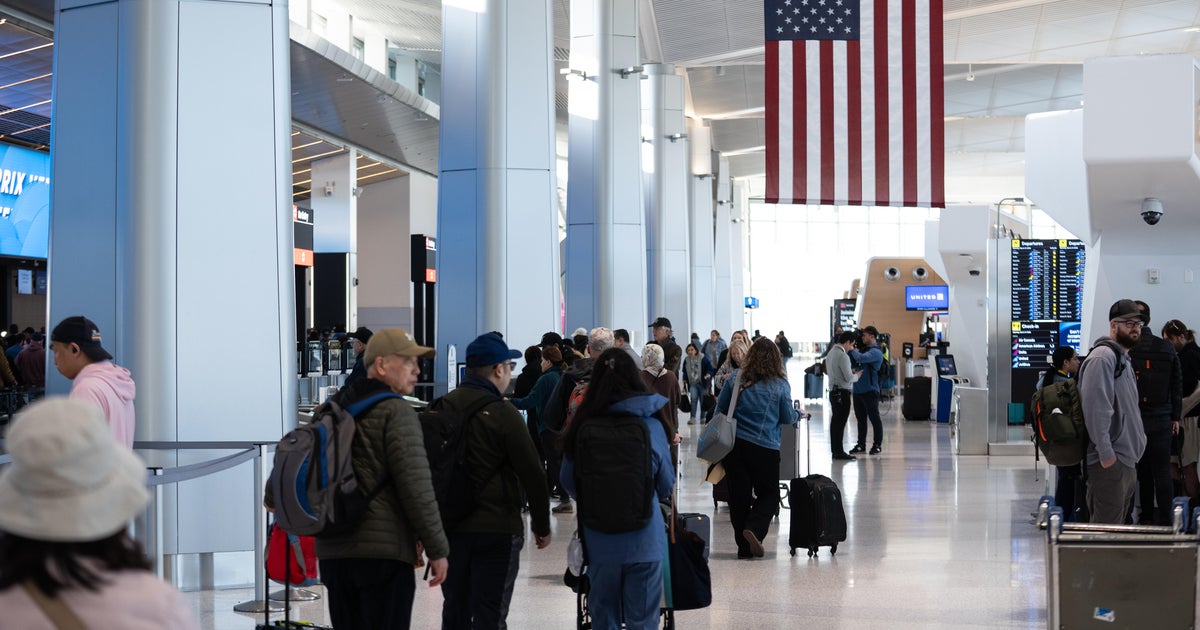
If you’ve traveled through a major airport recently, you’ve probably experienced the frustration of standing in seemingly endless security lines, watching your departure time creep closer while barely moving forward. For millions of travelers facing this daily challenge, TSA PreCheck has become more than just a convenience—it’s practically essential. This government-run program offers a lifeline to stressed travelers by providing access to expedited security screening that typically takes just 10 minutes from start to finish. Julian Kheel, who founded Points Path, a flight awards search engine, emphasizes that TSA PreCheck isn’t just helpful during peak travel times or periods of staffing shortages—it’s a valuable asset for anyone who travels regularly. “TSA PreCheck will likely help you, even now with the long lines we’re seeing at checkpoints,” Kheel explains. “But once this is over, TSA PreCheck is an absolute asset to any traveler.” The program has proven especially crucial during challenging periods when airports face staff shortages, such as during the government shutdown that saw hundreds of TSA officers resign and thousands call out sick, forcing the deployment of Immigration and Customs Enforcement agents to assist with security at more than a dozen airports across the country.
Understanding the Timeline: How Fast Can You Get Approved?
One of the most common questions travelers have about TSA PreCheck is whether they can get approved quickly enough to help with an upcoming trip. The honest answer is that while the enrollment process is straightforward, you shouldn’t expect instant approval. If you’re flying tomorrow or even in the next few days, unfortunately, TSA PreCheck probably won’t be ready in time to help with that particular journey. However, if your travel plans are a week or more away, there’s a realistic chance you’ll receive approval before your departure date. Kheel suggests that travelers booking trips seven to 10 days out have a good opportunity to complete the enrollment process and receive their approval in time. The entire process involves filling out an online application and attending a brief in-person appointment, after which most people receive their Known Traveler Number within three to five days, though the official timeline allows for up to 60 days in some cases. It’s also worth noting that during periods of reduced staffing, some airports might not operate their TSA PreCheck lines consistently, which could affect the immediate benefits even if you do get approved quickly. This reality makes it even more important to plan ahead and not wait until the last minute to enroll.
The Simple Steps to Enroll in TSA PreCheck
Getting started with TSA PreCheck is refreshingly straightforward, especially compared to other government programs. The first step involves completing an online application through one of three authorized providers: Clear, Idemia, or Telos. All three companies use the same standardized application, which takes about five minutes to complete and asks for basic personal information and background details. Once you’ve submitted your online application, you’ll need to schedule an in-person appointment at an authorized enrollment center. Here’s where things get more convenient than many people realize—these centers aren’t just located at airports. You can find enrollment locations at familiar retail chains like CVS, Office Depot, and Staples, meaning there’s likely an option in your neighborhood or along your regular commute route. This accessibility makes it much easier to fit the appointment into your schedule without making a special trip to the airport. You can choose to schedule your appointment online or simply walk in if that works better for you. The appointment itself is brief, typically lasting just 10 minutes, during which the enrollment provider will verify your identity through biometric data collection (such as fingerprints) and review your documentation. You’ll also pay the enrollment fee during this visit, which varies slightly by provider: Clear charges $79.95, while Idemia costs $76.75 and Telos charges $85. Once your appointment is complete, the waiting game begins for your Known Traveler Number (KTN), which you’ll need to enter when making flight reservations to ensure it appears on your boarding pass and grants you access to the PreCheck lanes.
Maximizing Your TSA PreCheck Benefits
Once you’ve received your Known Traveler Number, understanding how to use it effectively will make your airport experience dramatically smoother. The key is ensuring your KTN is attached to every flight reservation you make. If you have frequent flyer accounts with airlines, Kheel recommends storing your KTN in your profile so it automatically gets added to all your tickets—this prevents the frustrating situation of forgetting to add it and missing out on PreCheck access for a particular flight. Your TSA PreCheck enrollment lasts for five years, after which you’ll need to pay a renewal fee to maintain your status. Before you pay that initial enrollment fee, however, it’s worth checking whether your credit card might cover it for you. Many travel credit cards offer TSA PreCheck fee reimbursements as a cardholder benefit, which means you could essentially get enrolled for free. This perk alone can justify keeping certain travel rewards cards, especially if you fly multiple times per year. Beyond the basic PreCheck enrollment, travelers can layer additional programs to further streamline their airport experience. The TSA’s Touchless ID program, available at 65 airports, uses facial identification technology to speed up identity verification at security checkpoints. You can opt into this program through five participating airlines: Alaska, American, Delta, Southwest, or United, adding another level of convenience to an already expedited process.
Exploring Additional Fast-Track Options
For travelers looking to shave even more time off their airport experience, several complementary programs work alongside TSA PreCheck to create an ultra-smooth journey. Clear, a privately-run service that contracts with TSA, operates its own dedicated security lines at many airports and costs $209 annually. While more expensive than TSA PreCheck alone, Clear uses biometric technology to verify your identity even faster, and the two programs work together—you can use Clear to skip to the front of the TSA PreCheck line, combining the benefits of both services. This combination is particularly popular among business travelers and frequent flyers who value time savings above cost considerations. For those who travel internationally with any regularity, Global Entry presents another compelling option worth considering. Global Entry costs more than TSA PreCheck and takes longer to get approved because the vetting process is more thorough, but it includes TSA PreCheck benefits while also providing expedited re-entry into the United States through immigration and customs. Kheel points out that Global Entry interviews generally must be conducted at airports, which can make scheduling slightly less convenient, but the time savings when returning from international trips often justify the extra effort and expense. If you take even a few international trips per year, the ability to bypass long customs and immigration lines can transform an exhausting travel day into a manageable one.
Making the Decision That’s Right for Your Travel Style
Whether TSA PreCheck and its companion programs make sense for you ultimately depends on how often you travel and how much value you place on time and stress reduction at the airport. For someone who flies once or twice a year, the standard security process, while sometimes inconvenient, might be tolerable enough that paying for expedited screening doesn’t feel necessary. However, for anyone who travels monthly or even quarterly, the cumulative time savings and reduced stress make these programs worth far more than their modest cost. Consider that if TSA PreCheck saves you even 20 minutes per airport visit, and you travel just once a month, that’s four hours per year—time you could spend working, relaxing, or simply arriving at the airport less frantically. The psychological benefits of knowing you have a reliable, faster security option can’t be quantified but are real nonetheless. During particularly challenging periods for air travel—holiday seasons, staffing shortages, or unexpected disruptions—having TSA PreCheck can mean the difference between making your flight comfortably and sprinting through the terminal in a panic. As Kheel emphasizes, TSA PreCheck isn’t just a solution for current challenges at airports; it’s a long-term investment in more pleasant, predictable travel experiences. For most regular travelers, the question isn’t really whether these programs provide value, but rather which combination of programs—TSA PreCheck alone, Clear, Global Entry, or some combination—best matches their specific travel patterns and budget.