
A Night at the White House Correspondents’ Dinner That Changed Everything
When Celebration Turned to Chaos
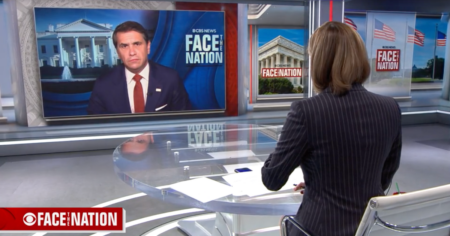
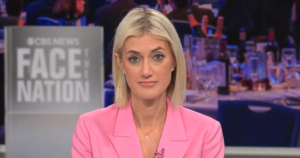
The White House Correspondents’ Dinner on April 25, 2026, was supposed to be a historic night of reconciliation. After eight months of meticulous planning, CBS News correspondent Weijia Jiang, serving as president of the White House Correspondents Association, had orchestrated what she hoped would be a bridge between the Trump administration and the press corps. The evening represented something rare in modern Washington—genuine bipartisanship. Over 2,500 elegantly dressed journalists, CEOs, celebrities, ambassadors, and cabinet members filled the ballroom. Vice President JD Vance, Secretary of Defense Pete Hegseth, Robert F. Kennedy Jr., Secretary of State Marco Rubio, and Homeland Security Secretary Markwayne Mullin sat just feet from President Donald Trump. Most significantly, Trump himself was there—his first appearance at the dinner as president after boycotting the event for fifteen years. The atmosphere was celebratory, hopeful even, suggesting that perhaps the contentious relationship between this administration and the media could find some common ground.
The Moments Before Everything Changed
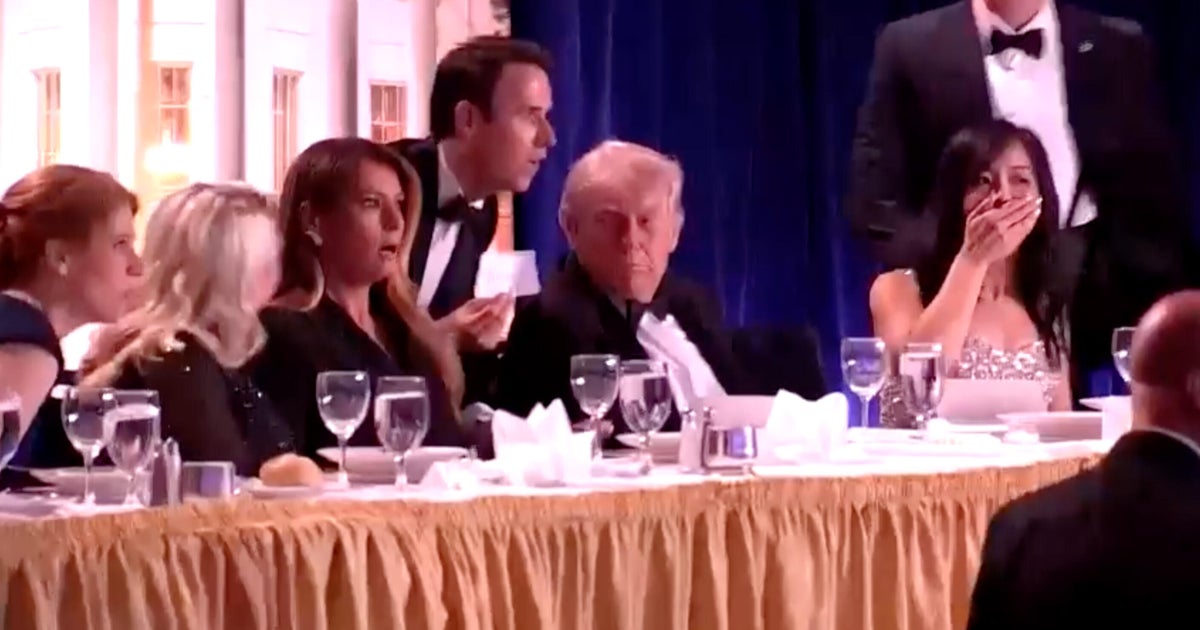
As the Marine Corps Band’s rendition of The Star-Spangled Banner faded, President Trump seemed genuinely relaxed and engaged on the dais. In a surprisingly candid moment, he confided to Jiang about his last attendance during Barack Obama’s presidency, dismissing the popular narrative that Obama’s jokes had bothered him. “You know, everyone thinks I was upset by all those jokes Obama made. But I really wasn’t,” he told her. The evening’s entertainment was proceeding perfectly when mentalist Oz Pearlman, whom Jiang had booked for the night, approached to perform a seemingly impossible trick. Press Secretary Karoline Leavitt, pregnant and due to give birth within days, had earlier expressed skepticism that Pearlman could guess her unborn baby’s name—a secret known to very few people. As Pearlman prepared to reveal the name written on paper with a Sharpie, everyone nearby, including First Lady Melania Trump, leaned in with curiosity and anticipation. The look of shock and delight on Leavitt’s face became the last peaceful image Jiang would remember before everything descended into chaos.
When Security Becomes Reality
The transition from normalcy to emergency happened in seconds. Jiang heard commotion and initially thought perhaps a heckler had interrupted the proceedings. Before she could fully process what was happening, armed Secret Service agents materialized, multiplying rapidly as they sprinted across the stage. Sharp commands of “down, down, down, get down” cut through the elegant atmosphere. Jiang rose from her chair and followed Trump’s lead as he hit the ground. She found herself on her hands and knees, crawling—later discovering a large bruise on her left knee—as agents ushered them behind the stage. The journalist who had spent her career covering crises and tragedies, including the Sandy Hook shooting in 2012, suddenly found herself on the other side of the story. No amount of professional experience had prepared her for this moment. As she reached the holding area where show producers monitored live video feeds from the ballroom, her thoughts turned desperately personal. Her 82-year-old father, who had waved happily at her just moments before, was out there. Both her parents struggled with mobility—where were their wheelchairs? Who would help them escape danger? Her husband and seven-year-old daughter were also somewhere in that ballroom. The professional composure she’d maintained throughout her career shattered as she scanned the video feeds with shaking hands, asking anyone who would listen: What happened? Is anyone hurt?
The President’s Determination and the Show Must Go On
Amid the confusion, with unverified reports and tweets circulating about a shooter and gunfire, one message came through clearly: President Trump wanted the show to continue. He refused to be deterred by whoever had created this threat. Jiang eventually returned to the stage to assure the anxious crowd that the evening would proceed, though the waiting felt interminable. When she was summoned to speak with the president, she entered a room where First Lady Melania Trump immediately asked if she was okay. Vice President Vance followed with the same concern. Secretary Rubio stood nearby as aides repeatedly stated they needed to move to the White House. But Trump resisted. He wanted to return to the stage, though he acknowledged his prepared “shtick” would now be “totally inappropriate” given what had just occurred. The compromise was a press conference at the White House in thirty minutes. When Jiang announced this to the ballroom, nervous laughter erupted—people thought she was joking. She assured them she wasn’t, then reminded the room of journalists of their essential role: “I said earlier tonight that journalism is a public service, because when there is an emergency, we run to the crisis, not away from it. And on a night when we are thinking about the freedoms in the First Amendment, we must also think about how fragile they are.” Her words resonated differently now, no longer abstract principles but lived reality.
An Unprecedented Presidential Response
Jiang rode in the presidential motorcade to the White House while other reporters ran through the streets in their evening gowns and heels, determined to cover the story. When President Trump approached the podium for the hastily arranged press conference, his demeanor had shifted from the jovial mood of earlier that evening to something more solemn and reflective. He called on Jiang to ask the first question—a gesture of respect given what they’d just experienced together. She wanted to know what had gone through his mind when he realized danger was unfolding. His response was surprisingly vulnerable: “It was always shocking when something like this happens, happened to me, a little bit, and that never changes the fact we’re sitting right next to each other, first lady on my right, and I heard a noise, and sort of thought it was a tray.” What struck Jiang most powerfully, however, was Trump’s acknowledgment of how the shooting had affected his view of the press. He observed that the event, “dedicated to freedom of speech that was supposed to bring together members of both parties with members of the press,” had achieved its goal in an unexpected way: “in a certain way, it did, because the fact that they just unified. I saw a room that was just totally unified.” Unity—a word that had become almost archaic in contemporary political discourse—suddenly felt tangible and real.
Finding Meaning in Crisis
The evening that was meant to symbolically bridge the divide between the Trump administration and the media ended up creating an actual, visceral bond forged through shared danger. In that ballroom and in the chaotic moments that followed, political affiliations and professional antagonisms became temporarily irrelevant as everyone faced the same threat. Jiang, who had hoped to create “a bipartisan room” through careful planning and diplomacy, discovered that crisis accomplished what eight months of preparation could not—a genuine sense of common humanity and shared purpose. President Trump’s insistence that they hold the dinner again in thirty days suggests he recognized this too, that something valuable emerged from the violence. Whether that unity will persist beyond the adrenaline and fear of that night remains uncertain, but for those hours, everyone in that room was reminded of fundamental truths: that freedom of speech and freedom of the press are indeed fragile, that they require courage to defend, and that journalists and the people they cover are, ultimately, vulnerable human beings who share more than divides them. As for the magician’s trick—the baby name that Oz Pearlman impossibly guessed—Jiang saw it but hasn’t had the chance to confirm it. Some mysteries remain, even as bigger questions about security, democracy, and the relationship between power and truth continue to unfold. The bruise on her knee will fade, but the memory of that night, and what it revealed about resilience and unity in the face of danger, will likely remain forever.