


Iranian Citizens Caught Between Hope and Fear as Trump Issues Devastating Ultimatum
A Nation Awaiting Its Fate
As President Donald Trump delivered an ominous ultimatum to Iran on Tuesday, threatening that “a whole civilization will die tonight” unless the Iranian regime agrees to negotiate and reopen the strategically vital Strait of Hormuz, ordinary Iranians find themselves trapped in an emotional limbo between cautious optimism and profound despair. Trump’s deadline—set for 8 p.m. Eastern Time on Tuesday, which translates to 3:30 a.m. Wednesday morning in Tehran—demands that Iran’s government reach a peace agreement or face the systematic destruction of the nation’s bridges and power plants. This chilling threat has left millions of Iranians wondering whether they’ll wake up to liberation or catastrophe, as they grapple with conflicting feelings about their authoritarian government and the foreign military intervention that could reshape their country forever.
The regime-imposed internet blackout has made it extraordinarily difficult for journalists and observers to gauge the true sentiment on the ground in Iran. Despite these communication barriers, some brave individuals have managed to share their perspectives with news organizations, painting a complex picture of a population torn between their hatred for an oppressive regime and their love for their homeland. These voices reveal a nuanced reality that challenges simple narratives about Iranians either fully supporting or opposing the military action. For many, the situation represents an impossible choice: continue suffering under a regime they despise or watch their country’s infrastructure—built by generations of Iranian workers and engineers—be reduced to rubble by foreign powers claiming to act in their interest.
Voices of Conflict: The Personal Toll of War
Fatemeh, a 40-year-old engineer living in Tehran, eloquently captured the contradiction many Iranians are experiencing. Speaking with ABC News through a written statement, she expressed sentiments that likely resonate with countless others across the country: “I am against the regime and I want them gone with every cell of my body. I have participated in the protests against the regime. But by no means I agree with a foreign power destroying what has been built by my people, for my people, and for the future of our children.” Her words reveal the painful reality that opposing a dictatorial government doesn’t automatically translate to supporting foreign military intervention, especially when that intervention threatens to destroy the very infrastructure that future generations will need to rebuild their society.
Similarly, Sohreh, a 33-year-old journalist also based in Tehran, described an emotional rollercoaster that has defined the conflict since it began with a joint U.S.-Israel attack on February 28. She recalled the euphoria that swept through opposition circles when Iran’s Supreme Leader Ayatollah Ali Khamenei was assassinated in a strike on the first day of hostilities: “I danced so much to the news of Khamenei’s death, so much that my legs hurt and I fell.” This moment represented what many regime opponents had dreamed of for decades—the sudden removal of the authoritarian figure who had ruled their country with an iron fist. However, as the war has stretched into its 39th day with no clear resolution, that initial joy has given way to anxiety and second thoughts. Sohreh now asks the haunting question that keeps many Iranians awake at night: “We ask ourselves what if the war continues?”
The Monday strike by Israeli Defense Forces on Asaluyeh, a critical Persian Gulf port city housing Iran’s southern petrochemical infrastructure, marked a turning point in how many Iranians view the conflict. “When they hit Asaluyeh, everyone was feeling terrible,” Sohreh explained. “We wonder what to do if they hit the infrastructure. They don’t belong to the Islamic Republic. They are built by our own children. They belong to Iran and the future of Iran.” This statement highlights a crucial distinction that outsiders often overlook: the physical infrastructure of Iran—its factories, bridges, power plants, and refineries—represents decades of labor by ordinary Iranian workers and engineers. While the regime may control these assets politically, they fundamentally belong to the Iranian people and will be essential for rebuilding the country regardless of who governs it in the future.
Trump’s Ultimatum and Conflicting Messages
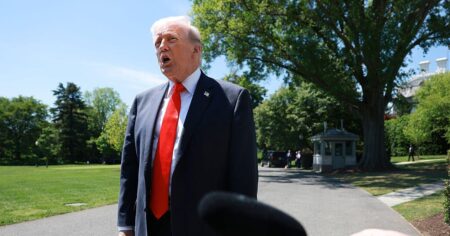
On Tuesday morning, President Trump posted a deeply troubling message on his social media platform that sent shockwaves through Iran and the international community: “A whole civilization will die tonight, never to be brought back again.” He continued with an almost resigned tone: “I don’t want that to happen, but it probably will.” However, Trump then pivoted to what he characterized as a hopeful possibility, suggesting that with “Complete and Total Regime Change, where different, smarter, and less radicalized minds prevail, maybe something revolutionarily wonderful can happen, WHO KNOWS?” He concluded by declaring Tuesday night “one of the most important moments in the long and complex history of the World,” promising that “47 years of extortion, corruption, and death will finally end” while invoking a blessing on “the Great People of Iran.”
These statements came on the heels of Trump’s controversial remarks during the White House Easter Egg Roll on Monday, where he made the extraordinary claim that “The Iranian people, when they don’t hear bombs go off, they’re upset.” He asserted without providing evidence that “They want to hear bombs because they want to be free,” suggesting that Iranian civilians are actually eager for the bombardment to continue. Trump went on to explain his theory that Iranians haven’t taken to the streets in massive demonstrations only because “they will be shot immediately, and that’s an edict. That’s in writing.” While it’s certainly true that the Iranian regime has brutally suppressed dissent in the past, Trump’s characterization of Iranians as universally welcoming the bombing campaign oversimplifies a much more complicated reality on the ground.
Divided Perspectives Among Iranians
Not all Iranians disagree with Trump’s assessment, however. Leila, a 36-year-old manager at a shipping company in Tehran, told ABC News that she indeed feels “upset” when she doesn’t hear bombs exploding. Describing herself as staunchly anti-regime, Leila expressed hope that American soldiers would eventually arrive in Iran to liberate the country from its current government. In an earlier message sent to ABC News on March 30, she had written: “We don’t have fear from the missile attacks, we just get very happy to watch them burning the bases of the IRGC.” For Iranians like Leila, who have suffered under the regime’s oppression, the military strikes represent not destruction but the violent birth pangs of a free Iran they’ve dreamed of for decades.
Yet even some who initially opposed the regime have found their allegiances shifting as the human cost of the conflict has mounted. Darius, a 38-year-old anthropologist from Tehran, told ABC News in a March 25 message that his perspective had evolved significantly since the war began. “The noise of the bombs and the fact that they are actually killing a lot of civilians pushes us more towards let’s say rallying around the flag,” he explained. This phenomenon—where external military threats cause citizens to temporarily support governments they otherwise oppose—is well-documented throughout history. For Darius, the calculation became personal: “We are fighting this war as a country and even though the Iranian state is not my cup of tea and even though I detest many of the things they do, still, I prefer to stand by their side against a Nazi in the White House.” His use of such charged language reveals the deep anger some Iranians feel toward what they perceive as an unjust and disproportionate military campaign.
The Human Cost and an Uncertain Future
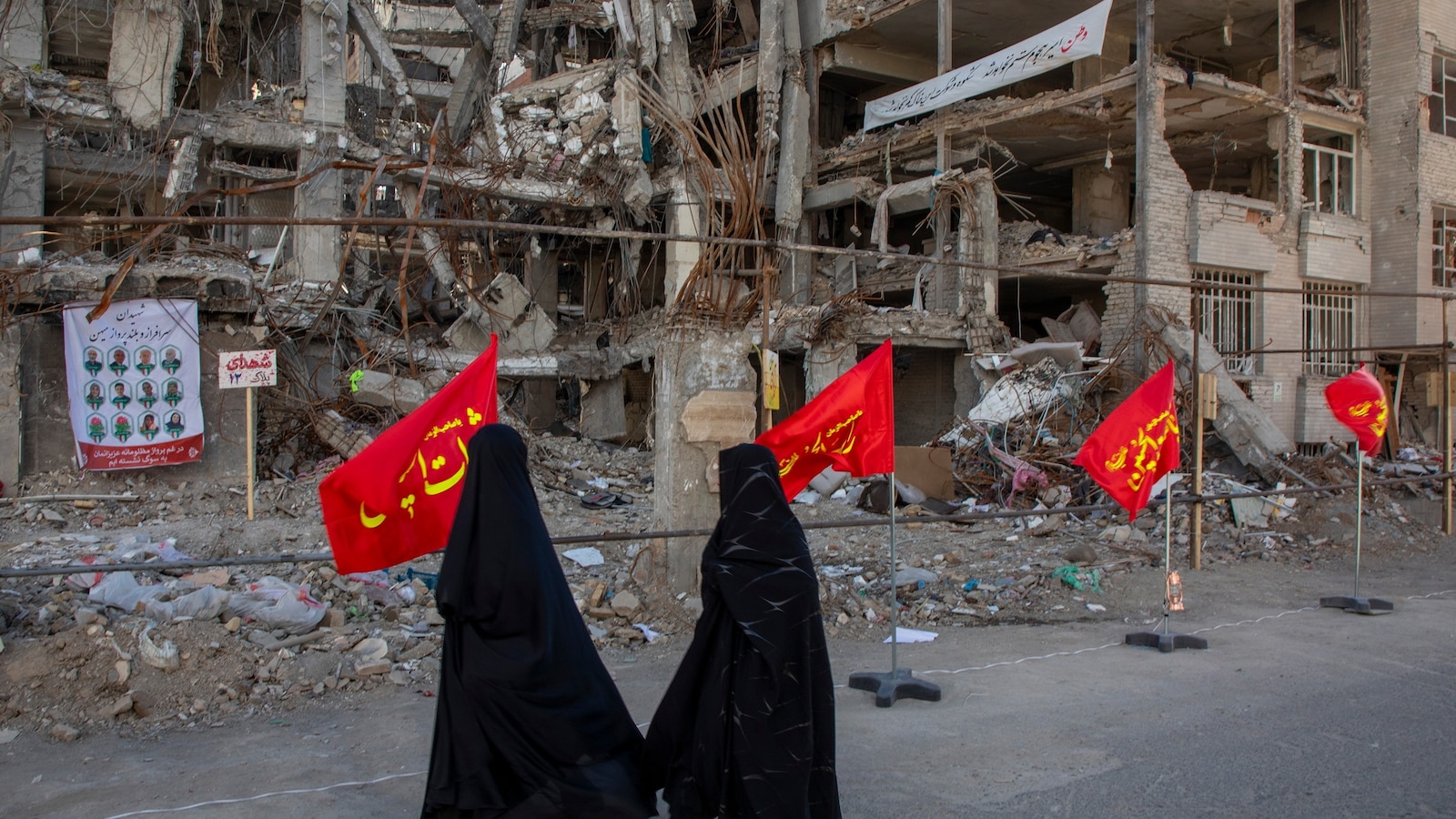
The stark human toll of the conflict cannot be ignored in any honest assessment of the situation. According to the U.S.-based Human Rights Activists News agency, at least 3,546 people have been killed in Iran due to U.S.-Israeli strikes since the war began, including 244 children and 1,616 other civilians. These numbers represent real people—mothers, fathers, children, teachers, shopkeepers, students, and grandparents—whose lives have been cut short in a conflict they had no role in starting. Each death ripples through families and communities, creating grief and trauma that will persist for generations. For many Iranians, these casualties raise uncomfortable questions about whether the goal of regime change justifies such devastating costs, and whether a nation can truly be liberated by foreign powers who simultaneously claim to act on behalf of its people while killing those same people in significant numbers.
As the deadline approaches and Iranians wait to see whether Trump will follow through on his threats, the country finds itself at an unprecedented crossroads. Will tonight bring the annihilation Trump has promised, or will some last-minute agreement prevent further destruction? Will the collapse of the Islamic Republic usher in a new era of freedom and democracy, or will the destruction of critical infrastructure create chaos that makes rebuilding nearly impossible? These questions haunt ordinary Iranians as they try to go about their daily lives in a country where the internet has been shut down, bombs periodically rain from the sky, and the future has never been more uncertain. What is clear is that the people of Iran—regardless of their feelings about their government or the military intervention—are caught in circumstances largely beyond their control, hoping desperately that whatever comes next will finally bring the peace, security, and freedom they’ve been denied for so long.