
Navigating Airport Delays: Expert Tips for Faster Security Screening During Government Shutdown
Understanding the Current Airport Security Situation
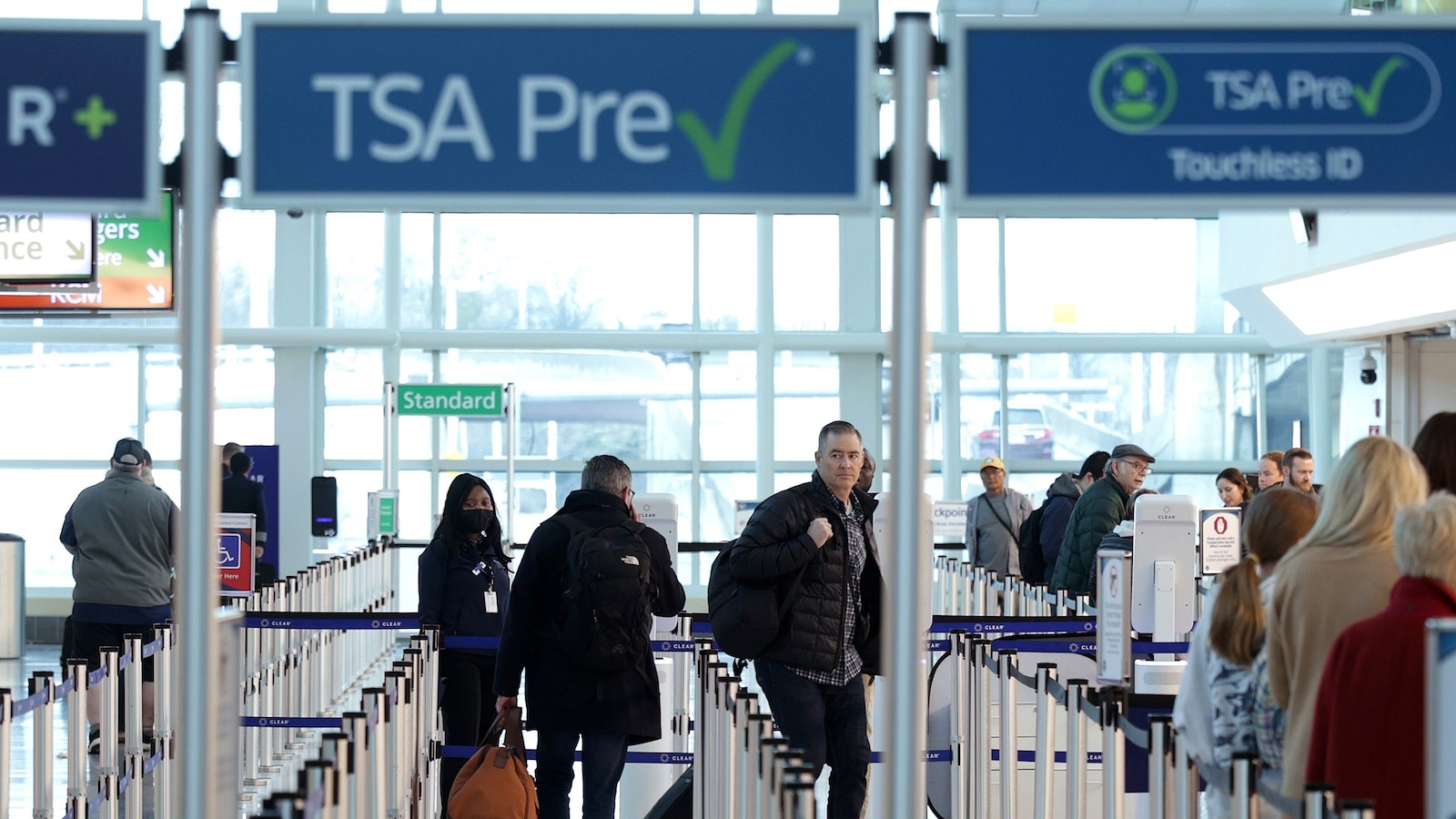
The recent partial government shutdown has created significant challenges for travelers across the United States, with airport security checkpoints experiencing unusually long wait times due to Transportation Security Administration staffing shortages. While not every airport is facing the same level of disruption, certain hubs have been hit particularly hard, leaving passengers frustrated and potentially missing flights. Travel expert Brian Kelly, founder of The Points Guy, recently appeared on “Good Morning America” to share his insights and warn travelers that while some airports are managing relatively well, others are experiencing severe delays. Kelly himself encountered this problem firsthand when returning from Morocco through John F. Kennedy International Airport in New York, where he faced a grueling 90-minute wait in what he described as “huge lines” and overall “disaster” conditions. The situation has been further complicated by the temporary suspension of the Global Entry program, which typically helps international travelers move through customs more quickly. In response to these challenges, travel experts are strongly encouraging passengers to take proactive steps by enrolling in expedited screening programs to minimize delays and stress during their journeys.
TSA PreCheck: Your Domestic Travel Solution
For travelers primarily flying within the United States, TSA PreCheck has become an increasingly valuable resource, especially during the current staffing challenges. This Trusted Traveler program offers dedicated security lanes that can significantly reduce wait times, even at some of the nation’s busiest airports. According to Kelly, major hubs like Houston Hobby Airport are currently seeing TSA PreCheck wait times of only 10 to 15 minutes, a dramatic improvement compared to standard security lines that can stretch much longer. The program costs $85 or less for a five-year membership, making it an affordable investment for anyone who flies even a few times per year. Kelly emphasizes that travelers shouldn’t delay in signing up, noting that “you can go to your local Staples, submit your application” rather than waiting to enroll at the airport itself. This is an important distinction because those who enroll at the airport typically need to wait three to five days before they can actually use their PreCheck benefits at security checkpoints. The enrollment process is straightforward: applicants first locate a TSA PreCheck enrollment center in their area, submit an initial application online, and then either schedule an appointment or walk in to complete the process. During the in-person visit, staff will verify required documents, collect fingerprints and a photograph, and process the payment. An added bonus for credit card users is that certain premium cards, such as the Chase Sapphire Reserve or American Express Platinum, offer statement credits that effectively reimburse the cost of TSA PreCheck or Global Entry enrollment, making the program essentially free for cardholders.
How TSA PreCheck Works in Practice
Once approved for TSA PreCheck, travelers receive a Known Traveler Number (KTN), which becomes their key to accessing expedited security screening. This number should be added to your airline reservations and travel profiles when booking flights, which will then trigger the TSA PreCheck indicator to appear on your boarding pass. When you arrive at the airport, look for the dedicated TSA PreCheck lanes, which are separate from standard security checkpoints. The PreCheck experience is notably more convenient than regular screening: travelers can keep their shoes, belts, and light jackets on, and they don’t need to remove laptops or compliant liquids from their carry-on bags. This not only saves time but also reduces the hassle and stress of the security process. Kelly points out another family-friendly benefit: “It is well worth the investment, and your kids can go through” the PreCheck line with you. Children 12 and under can accompany a parent or guardian who has TSA PreCheck through the expedited lane, even if the children themselves aren’t enrolled in the program. For families who travel together, this feature alone can make the membership worthwhile, as anyone who has tried to help young children quickly remove shoes and unpack electronics knows how challenging standard security screening can be.
CLEAR+: The Premium Expedited Screening Option
For travelers seeking an even faster airport experience, CLEAR+ offers a premium alternative that uses biometric technology to verify identity and expedite the security process. This service, which costs $209 per year (with a discounted rate of $125 annually for military service members and government employees), provides access to dedicated CLEAR+ lanes at participating airports and even at certain sports and entertainment venues. One of CLEAR+’s biggest advantages during the current situation is that travelers can sign up on the spot if they encounter unexpectedly long lines. As Kelly explained, “If you go to the airport, and it’s a really long line, you can sign up for that program at the airport.” The enrollment process can be completed either in person at the airport or online before your trip. The system works by using facial recognition and fingerprint scanning to verify your identity, eliminating the need for manual document checks. When you arrive at security with a CLEAR+ membership, you simply scan your boarding pass at the CLEAR+ Lane entrance, walk directly to a CLEAR Pod or eGate where the system verifies your identity using face-first technology, and then proceed immediately to bag screening. This biometric approach significantly reduces the time spent in line, as the identity verification process takes just seconds rather than the minutes required for traditional document checking.
Combining Programs for Maximum Efficiency
Travel experts recommend that frequent flyers consider combining both TSA PreCheck and CLEAR+ for the ultimate airport security experience. According to CLEAR’s website, using both programs together provides “the fastest way to your gate,” as they complement each other perfectly. Here’s how it works: CLEAR+ gets you quickly through the identity verification portion of security, while TSA PreCheck allows you to use expedited screening lanes where you can keep shoes and jackets on and leave electronics in your bag. This combination means you skip both the long identity check lines and the more cumbersome standard screening procedures. For business travelers or anyone who flies regularly, the time savings can be substantial, potentially saving hours over the course of a year. Additionally, CLEAR+ offers a family-friendly pricing structure where children 17 and under can be added to a parent’s account completely free of charge, making it a cost-effective option for families despite the higher annual fee. Another path to access both programs is through CLEAR’s offer that allows new CLEAR+ members to receive TSA PreCheck enrollment at no additional cost, providing access to both services under one membership fee. This bundled approach can be particularly appealing for travelers who want comprehensive coverage at various airports, as not all locations have CLEAR+ technology, but most major airports offer TSA PreCheck lanes.
Additional Tips and Alternative Options
Beyond TSA PreCheck and CLEAR+, travelers have other tools at their disposal to navigate the current airport challenges more smoothly. For international travelers affected by the Global Entry suspension, Kelly recommends downloading and using Mobile Passport Control, a free app that can expedite the customs and immigration process at many U.S. airports. He notes that “in most airports will get you through pretty quickly,” though he cautions that “unfortunately, some terminals don’t have the technology” to support it yet. The app allows eligible travelers to submit their passport information and customs declaration form via their smartphone, creating a digital receipt that can be presented to customs officers, often allowing access to dedicated Mobile Passport lanes that are shorter than standard lines. General travel wisdom during this period of uncertainty includes arriving at the airport earlier than usual—experts suggest at least two hours for domestic flights and three hours for international travel. Check your specific airport’s current wait times before leaving for your flight, as many airports now publish real-time security line estimates on their websites or through apps. Pack smartly by organizing carry-on items in a way that makes screening easier, even if you don’t have PreCheck, and wear easily removable shoes if you’ll be going through standard security. Most importantly, remain patient and kind with TSA agents and airport staff who are working under difficult circumstances during the shutdown. By taking advantage of available programs and planning ahead, travelers can minimize the impact of staffing shortages and continue to reach their destinations with as little stress as possible.