



Deadly Suicide Bombings Rock Maiduguri: A City’s Fragile Peace Shattered
A Night of Terror in Northeastern Nigeria
The relative calm that had settled over Maiduguri, the capital of Nigeria’s Borno state, was violently shattered on Monday night when a coordinated series of suicide bombings tore through the city’s most vulnerable gathering places. As residents went about their evening routines—shopping at markets, visiting loved ones at the hospital, conducting their daily business—three separate explosions ripped through crowded areas, transforming ordinary moments into scenes of unimaginable horror. By Tuesday morning, the grim toll had become clear: at least 23 people had lost their lives, with more than 100 others suffering injuries of varying severity. For a city that had begun to hope that its darkest days might be behind it, the attacks served as a brutal reminder that the shadow of extremist violence still looms large over northeastern Nigeria. The targets chosen by the attackers reveal a calculated cruelty—a major market bustling with evening shoppers and the entrance to the University of Maiduguri Teaching Hospital, where people seek healing and hope. These weren’t military installations or government buildings; they were places where ordinary citizens gather, where life happens, where community exists.
The Human Cost Behind the Statistics
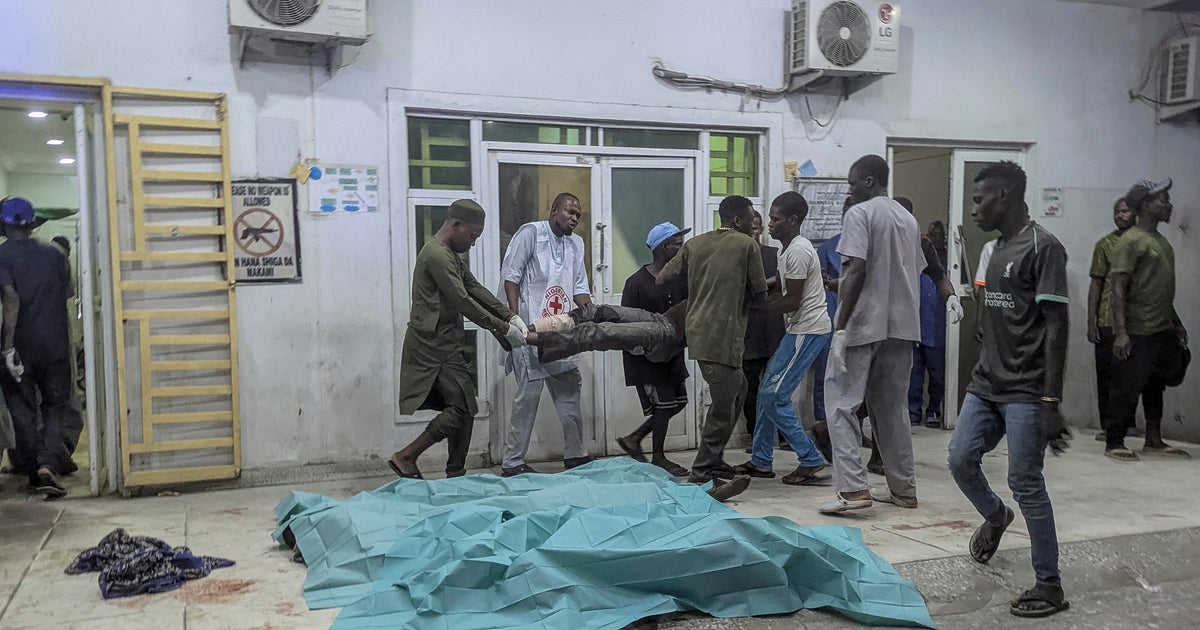
When Borno police spokesperson Nahum Kenneth Daso delivered his official statement on Tuesday, the numbers he recited—23 dead, 108 injured—represented far more than statistics in a conflict that has already claimed countless lives. Each number represents a person with a name, a family, dreams that will never be realized, children who will grow up without parents, parents who will bury their children. The scenes that unfolded at the University of Maiduguri Teaching Hospital were heartbreaking as emergency workers and volunteers struggled to care for the wounded while simultaneously processing their own grief and trauma. Mohammed Hassan, a member of one of the volunteer groups that assists security forces in combating extremists, spoke with the exhaustion and urgency of someone who has seen too much violence. His plea—”We’re in dire need of blood”—captured both the immediate practical crisis and the deeper metaphorical reality of a region that has been bleeding for years. The chaos following the explosions was indescribable, with residents running through streets in confusion and terror, not knowing if more attacks might follow, desperately trying to reach loved ones by phone, rushing to hospitals in search of family members. For the survivors and the families of victims, Tuesday brought the agonizing task of identifying bodies, making funeral arrangements, and trying to comprehend how their lives had been irrevocably changed in an instant.
A Long History of Violence and Suffering
To understand the significance of Monday’s attacks, one must understand the context of Maiduguri’s long, painful relationship with extremist violence. Since 2009, when the jihadi group Boko Haram launched its insurgency in northeastern Nigeria with the stated goal of enforcing their radical interpretation of Islamic law, the region has been trapped in a cycle of violence that has claimed tens of thousands of lives and displaced millions more. Boko Haram, whose name roughly translates to “Western education is forbidden,” has evolved from a relatively small extremist group into a formidable force with thousands of fighters organized into different factions, including the Islamic State West Africa Province, which maintains ties to ISIS. Maiduguri, as the capital of Borno state and the largest city in the region, found itself at the epicenter of this conflict, enduring years of bombings, raids, and attacks that made daily life a constant struggle for survival. The city became synonymous with the insurgency, its name appearing in international headlines with tragic regularity as another market was bombed, another school attacked, another mass kidnapping carried out. Yet in recent years, something had begun to change. While violence continued to plague rural areas and the countryside remained dangerous territory where extremists operated with relative impunity, Maiduguri itself had experienced a period of relative peace that allowed residents to begin rebuilding their lives and communities.
The Fragile Nature of Progress
This recent period of relative stability in Maiduguri had given residents reason for cautious optimism. Markets had begun to bustle again with commerce, schools reopened their doors, and people started to imagine futures that extended beyond mere survival. Families who had fled the city during the worst years of violence began returning home, attempting to reclaim their lives and livelihoods. The presence of military forces and security checkpoints throughout the city created a sense, however imperfect, of protection. Young people pursued education at the university, vendors set up their stalls each morning with renewed hope, and the rhythms of normal urban life slowly reasserted themselves. This makes Monday’s attacks all the more devastating—not just for the immediate loss of life, but for what they represent about the fragility of that progress. The psychological impact of such violence on a community that was beginning to heal cannot be overstated. Trust, once broken, is difficult to rebuild, and each new attack reinforces the trauma of past violence while creating new layers of fear and anxiety. Parents who had reluctantly allowed their children to return to school will now question that decision. Merchants who invested in rebuilding their businesses face not just potential physical damage but the economic impact of customers too frightened to venture into crowded markets. The social fabric of the community, painstakingly rewoven thread by thread, suffers new tears with each explosion.
The Escalating Threat and Military Challenges
While no group has officially claimed responsibility for Monday’s bombings, suspicion immediately fell on Boko Haram and its affiliated factions—groups that have demonstrated both the capability and willingness to carry out such attacks. The use of suicide bombers as a tactic has been a hallmark of these organizations, and the coordination required to execute three simultaneous attacks in different locations suggests a level of planning and organization that points to established extremist networks. Perhaps even more concerning than this specific attack is the broader trend of escalating violence against Nigerian military forces. Extremist groups have intensified their operations against military bases throughout the region, launching sophisticated attacks that have resulted in the deaths of several senior officers and numerous soldiers. These attacks have yielded significant gains for the extremists, who have managed to strip bases of substantial stocks of weaponry and ammunition, making them better armed and more dangerous. This presents Nigerian security forces with a vicious cycle: attacks on military installations weaken their capacity to protect civilian populations, which in turn allows extremists to operate more freely, leading to attacks like the one in Maiduguri. The volunteers who work alongside official security forces, like Mohammed Hassan, find themselves on the front lines of a conflict that shows no signs of ending, risking their lives to protect their communities with limited resources and support.
Looking Forward: The Long Road Ahead
As Maiduguri begins the painful process of burying its dead and caring for its wounded, the city and the broader region face difficult questions about the path forward. The attack serves as a stark reminder that military solutions alone have proven insufficient to end the insurgency that has plagued northeastern Nigeria for over fifteen years. While security forces continue their operations and volunteers maintain their vigilance, the underlying conditions that allow extremism to flourish—poverty, lack of opportunity, inadequate governance, and sectarian tensions—remain largely unaddressed. The humanitarian crisis in the region continues to worsen, with millions displaced from their homes, living in camps with inadequate resources, and an entire generation of children growing up knowing nothing but conflict. The international community’s attention, once focused on the plight of northeastern Nigeria, particularly after the 2014 Chibok schoolgirls kidnapping, has largely moved on to other crises, leaving the region struggling with inadequate support and resources. For the people of Maiduguri, Monday’s attacks mean returning to a heightened state of vigilance and fear that they had hoped was becoming a thing of the past. Yet amid this tragedy, there also exists resilience—the determination of volunteers rushing to help the wounded, communities coming together to support victims’ families, and the stubborn refusal of ordinary citizens to allow extremism to completely destroy their way of life. The road ahead remains long and uncertain, but the people of Maiduguri have survived too much to give up hope entirely, even as they mourn their latest losses and brace for whatever challenges may come next.