


Bad Bunny’s Historic Super Bowl Performance: A Message of Hope and Cultural Pride
A Moment That Captured Hearts Worldwide
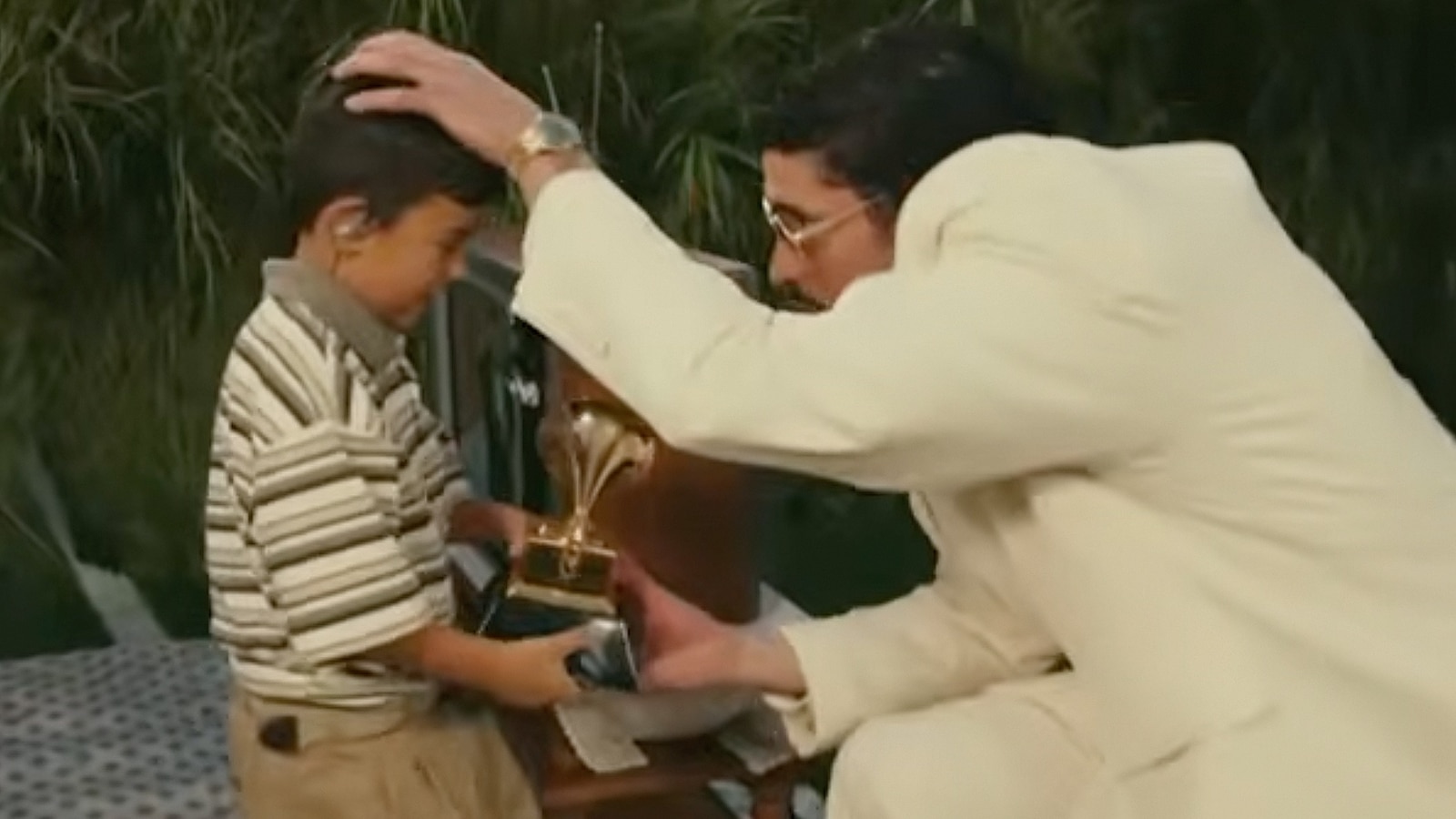
During Super Bowl LX’s halftime show at Levi Stadium in Santa Clara, California, global music icon Bad Bunny delivered a performance that transcended entertainment, offering audiences a powerful message about dreams, perseverance, and cultural celebration. Among the many memorable moments from Sunday’s spectacular show, one scene particularly resonated with viewers around the world and quickly became a viral sensation on social media. In a carefully staged yet deeply meaningful gesture, the Puerto Rican superstar walked into a meticulously crafted living room set positioned at the center of the stadium and handed one of his recently won Grammy trophies to a young boy. This simple yet profound act carried layers of symbolism that spoke to millions watching, representing the possibility that exists for anyone, regardless of their background, to achieve their dreams and reach the highest levels of success.
The significance of this Grammy trophy extends far beyond its physical presence. Just one week before taking the Super Bowl stage, Bad Bunny had made history at the Grammy Awards ceremony, taking home three prestigious honors including the coveted Album of the Year award for his critically acclaimed project “DeBÍ TiRAR MáS FOToS.” This achievement marked a groundbreaking moment in music history, as it represented the first time a Spanish-language album had ever captured the ceremony’s most prestigious prize. By choosing to incorporate this Grammy into his halftime performance and specifically by placing it in the hands of a child, Bad Bunny transformed a personal achievement into a universal message of possibility. According to sources who spoke with ABC News, this touching moment between the superstar and the young boy was intentionally designed to symbolize that anyone, regardless of their age, origin, or circumstances, can pursue and ultimately achieve their hopes and dreams.
Meet Lincoln Fox: The Young Star of the Show
The young boy who received the Grammy during this unforgettable moment has been identified as Lincoln Fox, a five-year-old actor who was selected for this special role. According to information provided by his talent agency, Lincoln was chosen to represent the next generation and embody the hope that Bad Bunny wanted to communicate through his performance. For young Lincoln, this experience was nothing short of extraordinary, a once-in-a-lifetime opportunity that he clearly understood and appreciated even at his tender age. The young performer took to his own Instagram page to share his excitement and gratitude, posting a clip of the magical moment with a caption that read: “I’ll remember this day forever! @badbunnypr – it was my truest honor 🐰🏆🏈.” The emotion and authenticity in these words perfectly captured the impact this experience had on him, and his post quickly garnered attention from fans around the world who were touched by the entire exchange.
Adding another layer of cultural significance to this moment, Lincoln’s Instagram profile reveals that the five-year-old is half Argentinian, further emphasizing the theme of Latino representation and diversity that ran throughout Bad Bunny’s entire halftime performance. This detail wasn’t coincidental but rather a thoughtful choice that reinforced the message of Latin American unity and shared cultural heritage. Lincoln’s participation in this historic performance serves as a reminder that representation matters, particularly for young children who need to see people who look like them achieving great things and being celebrated on the world’s biggest stages. For countless Latino children watching at home, seeing Lincoln receive that Grammy from Bad Bunny may have sparked their own dreams and ambitions, planting seeds of possibility that could grow into future achievements.
A Celebration of Cultural Diversity and Heritage
Bad Bunny’s Super Bowl LX halftime show was fundamentally about celebrating cultural diversity and showcasing the richness of Puerto Rican and broader Latino culture to a global audience. The performance represented far more than just a musical showcase; it was a statement of pride, identity, and cultural significance on one of the world’s most-watched stages. The singing sensation brought the vibrant energy, colors, and spirit of Puerto Rican culture to Levi Stadium, ensuring that the millions watching around the world experienced an authentic representation of his heritage. This wasn’t a watered-down or Americanized version of Latino culture designed to make mainstream audiences more comfortable—it was bold, unapologetic, and thoroughly rooted in Bad Bunny’s Puerto Rican identity.
Throughout the performance, Bad Bunny delivered a collection of his biggest hit songs, including the massively popular “Tití Me Preguntó,” which had audiences both in the stadium and at home singing along. The setlist was carefully curated to showcase not only his musical versatility but also the global appeal of Spanish-language music, which has experienced tremendous growth in mainstream popularity over recent years. Bad Bunny didn’t perform alone; he was joined by an impressive lineup of celebrities of Hispanic heritage, creating a powerful visual representation of Latino excellence and achievement. Among those who appeared alongside him were legendary Puerto Rican singer Ricky Martin, acclaimed actress Jessica Alba, Colombian music superstar Karol G, and rapper Cardi B, who is of Afro-Latina heritage. This gathering of talent sent a clear message: Latino artists and performers have not only earned their place in American popular culture but have become central to it.
Powerful Symbolism and National Pride
Perhaps one of the most striking and politically resonant moments of the performance came when Bad Bunny carried the Puerto Rican flag during a portion of his show. This gesture carried deep significance, particularly given ongoing conversations about Puerto Rico’s status, representation, and treatment within the United States. By prominently displaying the flag on such a massive platform, Bad Bunny made a statement about Puerto Rican pride and identity that resonated far beyond the realm of entertainment. For Puerto Ricans watching around the world, both on the island and in the diaspora, seeing their flag waved proudly at the Super Bowl represented a moment of recognition and validation. It was a reminder that Puerto Rican culture, despite often being marginalized or overlooked in mainstream American discourse, deserves celebration and respect.
The decision to incorporate such overt cultural and national symbolism into a Super Bowl halftime performance was both bold and necessary. The Super Bowl represents arguably the most American of all sporting events, watched by over 100 million people annually and considered a cultural touchstone in the United States. By bringing explicitly Puerto Rican elements to this stage, Bad Bunny challenged narrow definitions of what “American” culture looks like and expanded the conversation to include the diverse voices and experiences that actually make up the American population. His performance served as a reminder that Latino culture isn’t separate from American culture—it is American culture, woven into the fabric of the nation’s identity, history, and future.
The Broader Impact and Legacy
The impact of Bad Bunny’s historic Super Bowl LX halftime performance will likely be felt for years to come, influencing not only the music industry but also broader conversations about representation, diversity, and what stories get told on America’s biggest stages. For young Latino children watching, particularly those who dream of careers in entertainment, sports, or any field where they’ve historically seen limited representation, this performance provided tangible proof that their dreams are valid and achievable. The image of Lincoln Fox holding that Grammy trophy will undoubtedly inspire countless young people to pursue their passions with renewed determination, knowing that someone who looks like them, speaks their language, and shares their cultural background has reached the absolute pinnacle of success.
Furthermore, Bad Bunny’s achievement in winning Album of the Year with a Spanish-language album just days before his Super Bowl performance cannot be overstated. This Grammy win represented a seismic shift in the music industry’s recognition of non-English language artistry, breaking down barriers that have existed for decades and opening doors for future artists who create in languages other than English. By bringing this Grammy to the Super Bowl stage and symbolically passing it to the next generation through Lincoln, Bad Bunny created a narrative arc that connected his personal achievements to broader possibilities for all Latino artists and dreamers. His halftime show will be remembered not just as an entertaining musical performance, but as a cultural moment that reflected changing demographics, evolving artistic landscapes, and the unstoppable rise of Latino influence in American and global popular culture. The message was clear: the future is diverse, multilingual, and full of unlimited potential for those brave enough to pursue their dreams while staying true to their roots.