
A Night of Remembrance: Hollywood Honors Rob Reiner, Michele Singer Reiner, and Other Legends at the 98th Academy Awards
Billy Crystal Delivers a Heartfelt Tribute to Dear Friends
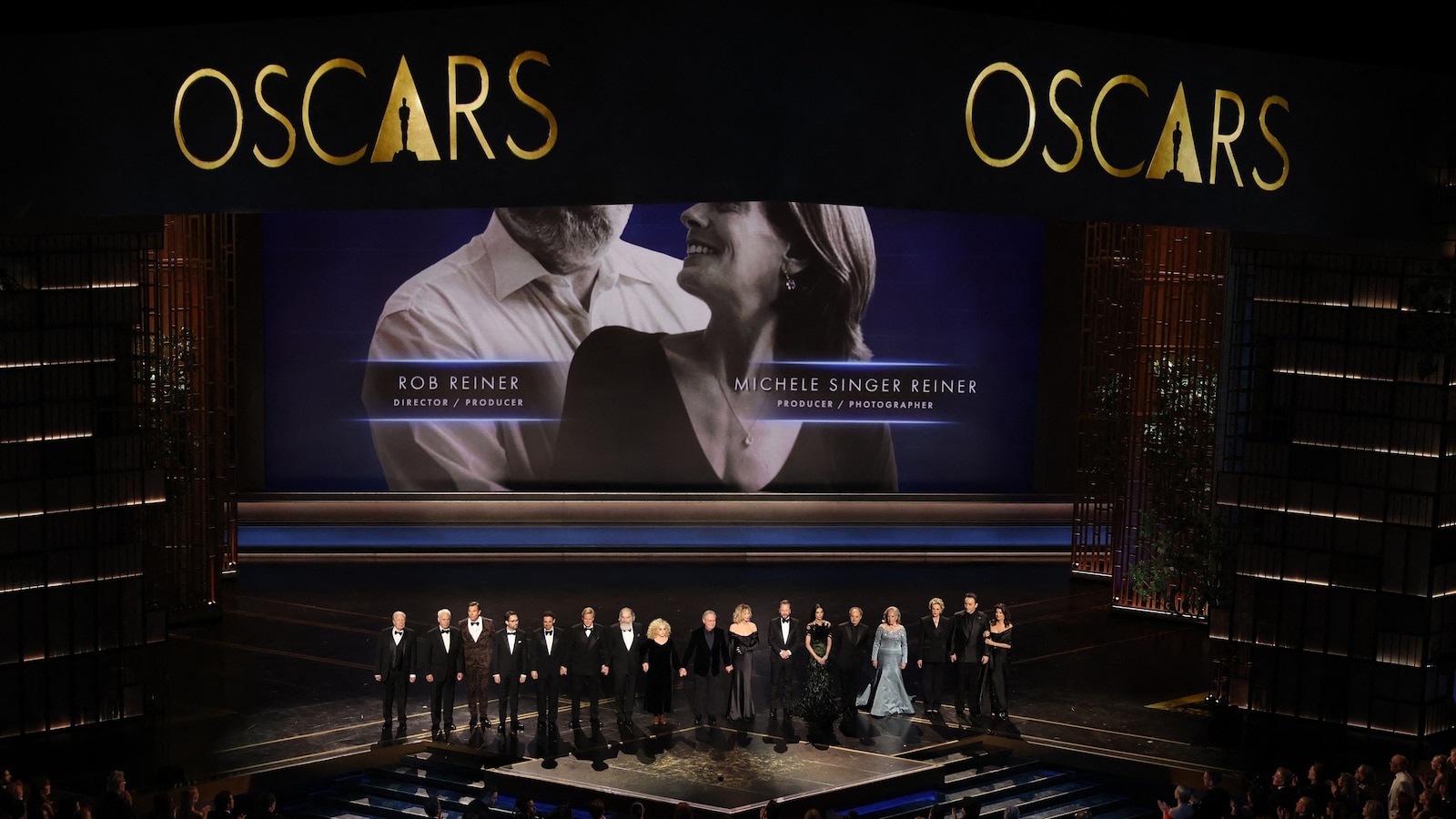
The 98th Academy Awards ceremony on Sunday night became a deeply emotional evening as beloved actor and comedian Billy Crystal took the stage to honor his longtime friend, acclaimed director and actor Rob Reiner, and Reiner’s wife, photographer Michele Singer Reiner. The couple’s tragic deaths, discovered in their Los Angeles home on December 14, 2025, sent shockwaves through Hollywood and beyond. Crystal, visibly moved, began his tribute by acknowledging the profound void left by their passing: “Their loss is immeasurable.” His words captured the sentiment felt by countless individuals in the entertainment industry and the broader community who had been touched by the Reiners’ work and advocacy.
Crystal and Reiner shared a special creative bond that spanned decades, collaborating on multiple projects that became cultural touchstones. During his tribute, Crystal took the audience on a journey through Reiner’s remarkable filmography, highlighting classics like “When Harry Met Sally” and “This Is Spinal Tap,” films that not only showcased Reiner’s directorial genius but also his ability to capture the human experience with humor, warmth, and authenticity. Beyond celebrating Reiner’s professional achievements, Crystal painted a picture of the director’s personal life, particularly the transformative and loving relationship he shared with Michele. Crystal described how Michele, a talented photographer in her own right, brought her own creative vision and passionate energy to their partnership. The couple married in 1989 and built a beautiful family together, raising three children: Jake, Nick, and Romy. Their union represented a meeting of artistic minds and compassionate hearts, creating a force that would impact both the entertainment world and social justice movements.
A Legacy of Love, Art, and Activism
When Crystal spoke about the moment Michele Singer entered Rob Reiner’s life, his voice carried the weight of witnessing a truly special partnership unfold. “When Michelle Singer entered his life, they were unstoppable,” he told the audience gathered at the Dolby Theatre. Together, the Reiners became more than just Hollywood fixtures; they evolved into passionate advocates for change. Crystal emphasized Michele’s particular influence on their joint mission, noting, “It was her energy that had them working tirelessly to fight social injustice in the country they both loved.” This aspect of the tribute reminded everyone that the Reiners’ legacy extended far beyond box office numbers and critical acclaim—they used their platform and resources to champion causes they believed in, fighting for a more equitable society.
Notably, Crystal chose to focus his remarks entirely on celebrating the couple’s contributions to film and society, deliberately avoiding any mention of the tragic circumstances surrounding their deaths. This decision reflected both respect for the ongoing legal proceedings and a desire to honor the Reiners’ memory by concentrating on their life’s work and the positive impact they made. The shadow hanging over the tribute was the arrest of their son, Nick Reiner, 32, who was charged with two counts of first-degree murder with the special circumstance of multiple murders shortly after his parents’ deaths. Nick entered a not guilty plea to these charges in February, but Crystal’s tribute at the Oscars remained steadfastly focused on celebration rather than tragedy, allowing the audience to remember the Reiners for their creativity, compassion, and dedication to making the world better.
Hollywood’s Finest Gather to Pay Respect
Following Crystal’s moving words, the tribute transformed into a powerful visual representation of Rob Reiner’s influence on the film industry. More than a dozen of Reiner’s past collaborators joined Crystal on the Dolby Theatre stage in a remarkable show of unity and respect. The assembled group read like a who’s who of Hollywood talent, representing various chapters of Reiner’s distinguished career. Meg Ryan, who starred in the iconic “When Harry Met Sally,” stood alongside Demi Moore, Annette Bening, and Kathy Bates—all actresses who had worked with Reiner on different projects over the years. Male actors who had collaborated with the director also took their place in the tribute, including Kiefer Sutherland, Mandy Patinkin, Fred Savage, Jerry O’Connell, Wil Wheaton, Cary Elwes, Michael McKean, Christopher Guest, Kevin Pollak, John Cusack, and Daphne Zuniga.
This impressive gathering represented films spanning multiple decades and genres, from coming-of-age stories to romantic comedies to dramatic thrillers. Each person on that stage carried their own memories of working with Reiner, their own stories of his direction, guidance, and friendship. The sight of so many successful actors—many of whom had gone on to their own acclaimed careers—standing together in tribute spoke volumes about Reiner’s ability to nurture talent and create lasting relationships. It wasn’t just about the films they made together; it was about the experience of working with someone who genuinely cared about the craft and the people bringing it to life. The collective presence of these performers created a moment that transcended the typical awards show fare, becoming instead a genuine expression of grief, gratitude, and love for two people who had touched so many lives.
Remembering Other Hollywood Icons
The tribute to the Reiners was part of a broader In Memoriam segment that recognized numerous stars who passed away over the previous year, reminding viewers of the inevitable passage of time and the importance of honoring those who shaped the entertainment landscape. Actress Rachel McAdams took the stage to deliver tributes to two legendary actresses, Diane Keaton and Catherine O’Hara, both of whom had died within the past six months. Keaton and O’Hara represented different facets of comedic and dramatic excellence, with Keaton’s career spanning from Woody Allen classics to modern rom-coms, while O’Hara became beloved for her work in Christopher Guest mockumentaries and the acclaimed series “Schitt’s Creek.” Their losses, coming so close together, represented a significant blow to the entertainment community, and McAdams’ tribute acknowledged their unique contributions to film and television.
The evening’s remembrances reached another emotional peak when singing legend Barbra Streisand made a surprise appearance to honor Robert Redford, with whom she had starred in the romantic classic “The Way We Were.” Redford, who passed away in September, had been not only one of Hollywood’s most iconic leading men but also a champion of independent cinema through his creation of the Sundance Film Festival. His partnership with Streisand in “The Way We Were” produced one of cinema’s most memorable romances, and their on-screen chemistry became the stuff of Hollywood legend. Streisand’s appearance was unexpected and deeply moving, representing a personal farewell from one legend to another. The audience watched as images of Streisand and Redford from their film together played on screen, capturing the youth, beauty, and talent that had captivated audiences decades earlier.
“The Way We Were” Echoes Through the Dolby Theatre
After delivering her spoken tribute to Redford, Streisand did something that sent ripples of emotion through the theater—she began to sing a few notes from “The Way We Were,” the film’s iconic theme song that she had originally performed. Though she sang only briefly, those few notes carried the weight of decades of memory, loss, and the bittersweet nature of looking back on what once was. Her voice, still powerful and moving, reminded everyone present why she had become one of the most celebrated performers of her generation. The choice to sing from that particular song was especially poignant, as its lyrics about memories and the passage of time seemed to perfectly capture the mood of the entire In Memoriam segment—a reflection on talented individuals who had shaped entertainment history but were now only accessible through the films, music, and performances they left behind.
The song’s themes of nostalgia and lost love resonated deeply in a ceremony already heavy with grief over multiple losses. For those watching, whether in the theater or at home, Streisand’s brief performance became one of the evening’s most memorable moments—not because of elaborate staging or production values, but because of its raw emotional authenticity. It was a reminder that behind the glamour and spectacle of Hollywood lie real relationships, genuine friendships, and the very human experience of mourning those we’ve lost.
A Night That Honored Life, Art, and Enduring Impact
The 98th Academy Awards’ tribute segment ultimately served as a powerful reminder of the entertainment industry’s dual nature—it is both a business that creates products for mass consumption and a community of artists who form deep bonds through their collaborative work. The evening’s tributes, particularly Billy Crystal’s heartfelt words about Rob and Michele Reiner, demonstrated how Hollywood, at its best, functions as an extended family that gathers to celebrate achievements and mourn losses together. Despite the tragic circumstances surrounding the Reiners’ deaths and the ongoing legal proceedings involving their son, the focus remained on celebrating lives well-lived and contributions that will endure through the films, photographs, and activism they produced.
As the ceremony continued beyond the In Memoriam segment, those gathered—and the millions watching around the world—carried with them the memories of those honored. The Reiners, Keaton, O’Hara, Redford, and all the others recognized that evening became part of the Academy Awards’ historical record, their names and images preserved in yet another medium for future generations to discover. For those who knew them personally, like Billy Crystal and Barbra Streisand, the tributes offered an opportunity to publicly express private grief and to ensure that their friends’ legacies would be properly acknowledged. For audiences, it was a chance to reflect on the impermanence of life and the importance of the art that outlives its creators, continuing to entertain, inspire, and move people long after the artists themselves have taken their final bow.