
The Blake Lively vs. Justin Baldoni Legal Battle: A Complete Timeline
From Box Office Success to Courtroom Drama
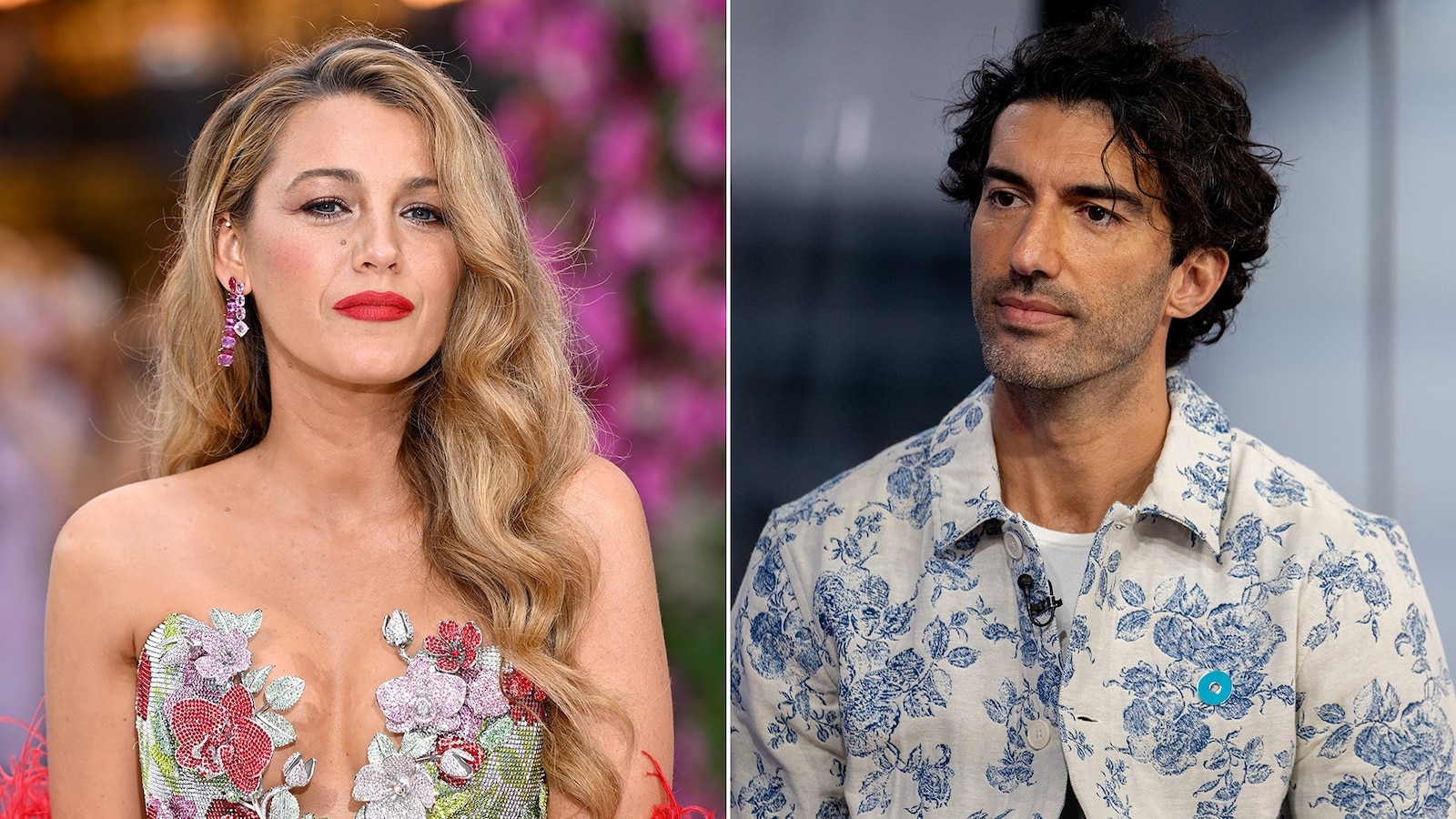
What began as a promising Hollywood collaboration has spiraled into one of the entertainment industry’s most contentious legal battles. Blake Lively and Justin Baldoni, co-stars of the 2024 film “It Ends with Us,” have been locked in an increasingly bitter legal dispute that has dominated headlines since December 2024. The film, based on Colleen Hoover’s bestselling novel about domestic violence and emotional abuse, became a box office sensation, earning nearly $350 million worldwide after its August 2024 release. However, behind the scenes, serious tensions were brewing that would eventually explode into public view. The conflict centers on allegations of sexual harassment, workplace misconduct, and what Lively describes as a coordinated smear campaign designed to destroy her reputation after she raised concerns about on-set behavior. Baldoni has vigorously denied these allegations, countering that Lively weaponized false accusations as part of a power play to seize creative control of the film. What makes this case particularly fascinating is how it’s unfolded through dueling lawsuits, competing narratives, and a media circus that has kept both legal teams fighting not just in courtrooms but in the court of public opinion.
The Initial Allegations and First Legal Moves
The legal fireworks began on December 20, 2024, when Lively filed a complaint with the California Civil Rights Department alleging “severe emotional distress” stemming from sexual harassment by Baldoni during the production of “It Ends with Us.” According to her complaint, Lively claimed that Baldoni and other key stakeholders in the film created a hostile work environment that eventually required an “all hands” meeting in January 2024, before filming resumed. This meeting, which was attended by Lively’s husband Ryan Reynolds and various film stakeholders, was convened to address Lively’s specific workplace concerns. At this meeting, Lively laid out clear demands to ensure a safe and professional working environment, which she says Baldoni and his production company Wayfarer Studios initially agreed to implement. However, Lively’s complaint alleges that instead of honoring these commitments, Baldoni and Wayfarer engaged in what she described as a “social manipulation” campaign designed to “destroy” her reputation.
The allegations gained widespread attention when the New York Times published a detailed article titled “‘We Can Bury Anyone’: Inside a Hollywood Smear Machine,” which included text messages and email exchanges between Baldoni’s publicists that Lively claimed demonstrated a coordinated effort to damage her public image. Bryan Freedman, Baldoni’s attorney, immediately pushed back against these claims, calling them “completely false, outrageous and intentionally salacious with an intent to publicly hurt and rehash a narrative in the media.” Freedman argued that the negative publicity Lively received during the film’s promotional tour—where she was criticized for her conduct during press interviews and for not adequately highlighting the film’s domestic violence themes—was not the result of any orchestrated campaign but rather a natural response to her own behavior. On December 31, Lively formalized her California complaint into a full lawsuit filed in New York, reiterating her allegations and adding that the decision to speak out had resulted in “further retaliation and attacks” against her.
The Counter-Attack and Escalating Legal Warfare
Baldoni’s legal team didn’t just play defense—they launched their own offensive on multiple fronts. On December 31, 2024, the same day Lively formalized her New York lawsuit, Baldoni sued the New York Times for libel and false light invasion of privacy, seeking $250 million in damages. The lawsuit claimed the newspaper had relied on “cherry-picked” and altered communications that were “stripped of necessary context and deliberately spliced” to mislead readers. Baldoni’s suit included nine co-plaintiffs, including Wayfarer Studios and his publicists Jennifer Abel and Melissa Nathan, who had been portrayed negatively in the Times article. The newspaper stood by its reporting, with a spokesperson stating they would “vigorously defend against the lawsuit” and that their story was “meticulously and responsibly reported” based on “thousands of pages of original documents.”
The legal battle intensified dramatically on January 16, 2025, when Baldoni filed a massive $400 million civil lawsuit against not just Lively, but also Ryan Reynolds, their publicist Leslie Sloane, and Sloane’s PR firm Vision PR. This lawsuit accused the defendants of extortion, defamation, and civil conspiracy, claiming that Lively had “robbed” him and Wayfarer of control over “It Ends with Us” while destroying Baldoni’s “personal and professional reputations and livelihood.” The suit painted a picture of Lively as a Hollywood power player who leveraged her and her husband’s considerable influence to hijack the film, with allegations that she even had her own cut of the movie made. Baldoni’s lawyers accused Sloane of spreading “malicious stories portraying Baldoni as a sexual predator” and claimed Reynolds used that exact term when calling Baldoni’s agent to demand he drop Baldoni as a client. Lively’s attorneys dismissed this lawsuit as “another chapter in the abuser playbook,” introducing the term DARVO—Deny, Attack, Reverse Victim Offender—to describe Baldoni’s legal strategy. They argued that the evidence would show Sony Pictures actually asked Lively to oversee their cut of the film, which became the version released to theaters and achieved box office success.
The Courtroom Confrontations and Public Relations Battle
The first face-to-face legal confrontation came on February 3, 2025, when attorneys for both sides met in federal court in New York for an initial pretrial conference before Judge Lewis Liman. This 90-minute hearing revealed just how contentious the case had become and offered glimpses into the strategies each side planned to employ. Judge Liman set a trial date of March 9, 2026, and signaled his intention to consolidate the various lawsuits into a single case. The hearing touched on scheduling matters but also addressed a critical issue: the extent to which the case was being litigated through media statements and public relations campaigns. Lively’s attorney Michael Gottlieb argued that Freedman’s public statements were defamatory and continued the campaign of retaliation against his client, though he stopped short of requesting a formal gag order. Freedman countered that the media warfare “has not been a one-way street,” suggesting Lively’s team had also been actively shaping the public narrative.
Judge Liman took particular issue with a website Baldoni’s team had launched containing not just legal documents but also a “Timeline of Relevant Events” that amounted to a factual narrative arguing Baldoni’s case. The judge made clear that lawyers cannot simply attach factual narratives to court filings, stating “you can’t just attach a factual narrative” and warning that sanctions were possible. In a moment that captured the intensity of the situation, Judge Liman warned both legal teams that if the case continued to be litigated in the press to the point that finding an impartial jury became impossible, he had the power to move up the trial date significantly. “I don’t want to do that,” the judge stated, but left no doubt he would if necessary. The February hearing also revealed procedural developments: Freedman announced plans to dismiss Baldoni’s California lawsuit against the New York Times to consolidate everything in New York; attorneys for Leslie Sloane and Vision PR indicated they would file motions to dismiss the claims against them; and Gottlieb announced that Lively would file an amended complaint adding new claims and new defendants, though he didn’t specify who.
The Amended Complaints and New Revelations
On February 18, 2025, Lively filed her amended complaint, which her lawyers said “provides significant additional evidence and corroboration of her original claims.” This new version contained bombshell allegations that significantly expanded the scope of Lively’s case. Most notably, the amended complaint revealed that Lively was allegedly not the only woman to raise concerns about Baldoni’s behavior on set. According to the filing, in May 2023, “another female cast member reported her own concerns regarding Mr. Baldoni’s unwelcome behavior,” coming forward despite “considerable reservations” because she felt “the work on the Film was suffering as a result of Mr. Baldoni’s behavior.” The complaint stated that Baldoni acknowledged these concerns in writing and promised adjustments, but conditions didn’t improve. Later, the complaint alleged, “another female cast member confided to Ms. Lively that she too felt uncomfortable on set,” with all of this occurring and being “documented in writing, almost one year before the editing of the Film began.”
This new information directly undermined Baldoni’s narrative that Lively’s complaints were manufactured as part of a 2024 power play for creative control. The amended complaint argued that Baldoni had “acknowledged the complaints in writing at the time” and “knew that women other than Ms. Lively also were uncomfortable and had complained about his behavior.” The filing also added a new defamation claim based on what Lively’s attorneys characterized as “repeated false statements the defendants have made about Ms. Lively since she filed her original complaint.” The amended complaint drew a stark contrast between Baldoni’s public image as someone who “portrayed himself as a leader of the male feminist movement” and his alleged private behavior, which it described as “replete with hypocrisy, misogyny, and retaliation.” Lively’s attorneys promised that upcoming discovery would “reveal shocking details about the depth to which the Defendants have sunk in their unending efforts to ‘bury,’ ‘ruin,’ and ‘destroy’ Ms. Lively and her family.” Freedman responded by dismissing the amended complaint as “filled with unsubstantial hearsay of unnamed persons who are clearly no longer willing to come forward or publicly support her claims,” arguing that “documents do not lie and people do.”
The Beginning of the End: Dismissals and Reality Check
The legal landscape shifted dramatically on March 20, 2025, when Lively’s attorneys filed a motion to dismiss Baldoni’s countersuit under California Civil Code section 47.1—a law specifically designed to protect people who report allegations of sexual assault, harassment, or discrimination from retaliatory lawsuits unless they acted with malice. If successful under this statute, Baldoni would be required to pay Lively’s legal fees. Lively’s lawyers called Baldoni’s lawsuit a “profound abuse of the legal process” and noted that California law “now expressly prohibits suing victims who make the decision to speak out against sexual harassment or retaliation.” The attorneys described the lawsuit as an “epic self-own” that only created more liability for Baldoni and his co-defendants. This legal maneuver proved devastatingly effective.
On June 9, 2025, Judge Liman granted the motion and dismissed Baldoni’s entire $400 million lawsuit against Lively, Reynolds, Leslie Sloane, and the New York Times. In his opinion, Judge Liman systematically dismantled Baldoni’s claims, finding that while Lively’s alleged threats regarding the film might have been aggressive negotiating tactics, they did not constitute civil extortion under California law. Regarding the defamation claims, the judge found that Lively’s statements in her California Civil Rights Department complaint were privileged, meaning she couldn’t be sued for them. As for Reynolds and Sloane, the judge determined that Baldoni hadn’t adequately shown they would have “seriously doubted” their statements about Baldoni were true based on available information. The judge was particularly dismissive of the claims against the New York Times, writing that “The alleged facts indicate that the Times reviewed the available evidence and reported, perhaps in a dramatized manner, what it believed to have happened. The Times had no obvious motive to favor Lively’s version of events.” Lively’s lawyers called the dismissal “a total victory and complete vindication.” Baldoni had until June 23 to refile some claims but ultimately chose not to, with Freedman stating they would pursue “additional legal options” instead. On October 31, 2025, the judge formally entered final judgment, ending Baldoni’s counterclaim, though Baldoni retained the right to appeal.
The tide continued to turn against Baldoni when, on April 2, 2026—just weeks before the scheduled May trial date—Judge Liman dismissed most of Lively’s lawsuit as well, including her sexual harassment claims. The judge ruled that some of Baldoni’s conduct “was not so far beyond what might reasonably be expected to take place between two characters” in a sexually charged film, and that suggesting scenes involving sexual acts while developing an adult-themed movie didn’t create a “sexually objectionable environment.” Crucially, however, Judge Liman allowed Lively to proceed with her retaliation claims against Baldoni’s PR team over the alleged smear campaign, finding that this conduct “at least arguably crossed the line” and noting that “The reputational effects have been particularly severe given the nature of Lively’s profession, which places a heavy emphasis on personal and professional marketability.” Lively’s attorney Sigrid McCawley emphasized that “this case has always been and will remain focused on the devastating retaliation,” while Baldoni’s legal team celebrated that “the Court dismissed all sexual harassment claims and every claim brought against the individual defendants.” As the case heads toward its rescheduled May 2026 trial date, what began as a sprawling legal battle encompassing multiple claims has narrowed to a focused question: Did Baldoni and his team orchestrate a retaliatory PR campaign against Lively for speaking up about workplace concerns? The answer to that question will ultimately be decided by a jury, bringing some resolution to a Hollywood dispute that has captivated public attention for over a year.