


Trump Signals Potential Breakthrough in Iran Peace Negotiations
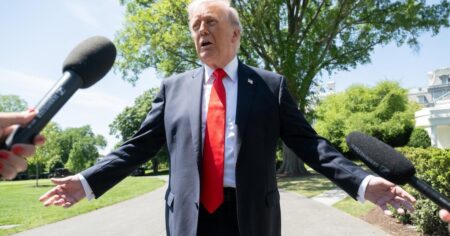
In a candid moment at the White House surrounded by UFC fighters, President Trump shared surprisingly optimistic news about potential peace negotiations with Iran. Speaking to reporters on Wednesday, the President revealed that the United States has been engaged in “very good talks over the past 24 hours” aimed at bringing an end to the current conflict. His comments suggest that despite the ongoing military tensions, diplomatic channels remain open and active. However, the President left some ambiguity about the exact nature of these communications, not clarifying whether American and Iranian officials were speaking directly to one another or if Pakistani intermediaries were facilitating the discussions. This uncertainty reflects the complex diplomatic dance that often characterizes negotiations between nations without formal diplomatic relations, particularly when they’re simultaneously engaged in military conflict.
Iran’s Apparent Willingness to Negotiate
According to President Trump’s assessment, Iran appears ready to come to the negotiating table in earnest. “They want to make a deal,” the President stated confidently, suggesting that Iranian leadership is showing genuine interest in finding a diplomatic resolution to the current crisis. Trump expressed cautious optimism about the prospects, saying “it’s very possible that we’ll make a deal,” though his tone suggested he’s approaching these negotiations with eyes wide open about their unpredictable nature. The President’s comments indicate that despite the military operations currently underway, both sides may be recognizing the value of finding an off-ramp from escalation. However, Trump’s experience with previous negotiation attempts has clearly tempered his enthusiasm, as he’s learned that promising diplomatic conversations can sometimes evaporate as quickly as they begin.
The President’s Cautious Optimism Based on Past Experience
Drawing on lessons from earlier negotiation attempts, President Trump acknowledged the volatile nature of diplomatic discussions with Iran. He referenced previous instances where talks seemed productive only to fall apart without warning, noting that “there had been some good talks before, as you know, and all of the sudden, the next day like, they’re like, they forgot what happened.” This reflection reveals a more measured approach from the President, who appears to be managing expectations while still remaining hopeful about the current round of discussions. His comments suggest an understanding that international negotiations, particularly with adversaries, can be frustratingly inconsistent, with positions shifting rapidly based on internal political pressures, miscommunication, or strategic recalculations. This realistic assessment demonstrates that while the administration is pursuing peace actively, they’re not counting on success until an agreement is actually finalized and implemented.
Characterizing the Military Conflict as a “Skirmish”
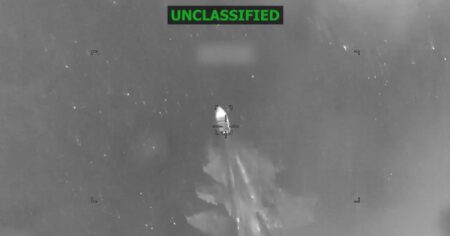
Earlier on Wednesday, the President offered his assessment of the ongoing military operations, describing the conflict in notably minimizing terms. Speaking at an event honoring military mothers at the White House, Trump characterized the situation as a “skirmish” rather than a full-scale war, and claimed operations were going “unbelievably well.” By framing the conflict as something less than a major war, the President may be attempting to reduce public anxiety about American involvement while also signaling to Iran that the U.S. doesn’t view this as an existential confrontation that requires total victory. Trump drew a favorable comparison to recent operations in Venezuela, where former leader Nicolas Maduro was captured in what the President described as a rapid, one-day operation. “We’re doing pretty much equally as well I would say, larger, but we’re doing very well in Iran,” Trump stated, suggesting that despite the greater scope of the Iran operation, U.S. forces are achieving their objectives efficiently and effectively.
Predictions of a Quick Resolution
Throughout his various appearances on Wednesday, President Trump consistently projected confidence that the conflict would reach a conclusion soon. “It’ll be over quickly,” he predicted during an event supporting Georgia Republican gubernatorial candidate Burt Jones. This optimistic timeline appears to be based on a combination of factors: the reported military success of U.S. operations, the apparent willingness of Iran to negotiate, and perhaps the administration’s assessment of Iran’s capacity to sustain prolonged conflict. By publicly stating his expectation for a rapid conclusion, Trump may be attempting to pressure Iranian leadership by suggesting their position is untenable, while also reassuring the American public and international allies that the situation won’t devolve into a protracted engagement. However, such predictions carry risks—if the conflict doesn’t end quickly as promised, it could undermine public confidence in the administration’s handling of the situation and its understanding of the challenges involved.
The Broader Context and What Comes Next
These developments come at a critical juncture in U.S.-Iran relations, which have experienced dramatic swings between confrontation and negotiation over recent years. The fact that peace talks are occurring even as military operations continue represents the complex reality of modern international conflict, where diplomatic and military tracks often run parallel to one another. The involvement of potential mediators like Pakistan highlights the importance of regional actors in facilitating communication between adversaries who lack direct diplomatic channels. As the situation evolves, several key questions remain unanswered: What specific terms might form the basis of a potential deal? How sustainable would any agreement be given the deep mistrust between the two nations? And what role will international partners and regional powers play in guaranteeing or supporting any eventual settlement? The coming days will likely prove crucial in determining whether these reported positive talks translate into concrete progress toward peace or whether they represent another false dawn in the turbulent relationship between Washington and Tehran. For now, President Trump’s comments suggest his administration is simultaneously pursuing military pressure and diplomatic resolution, hoping that the combination will bring Iran to accept terms favorable to American interests while avoiding a larger, more costly conflict.