


U.S. Unveils New Counterterrorism Strategy, Calls on Allies to Share the Burden
A Shift in America’s Global Security Role
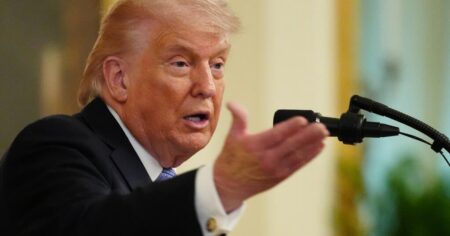
The United States is charting a new course in its approach to global terrorism, marking a significant departure from decades of serving as the world’s primary security guarantor. On Friday, senior U.S. counterterrorism officials gathered with international partners in Washington to discuss a freshly minted strategy that signals America’s intention to step back from its self-appointed role as “global police officer.” The meeting, convened following President Trump’s signing of the new counterterrorism strategy earlier in the week, represents a fundamental rethinking of how the United States engages with security threats around the world. Rather than shouldering the burden alone, American officials are now asking allies to demonstrate their commitment by taking on greater responsibility for regional security challenges. This recalibration reflects both practical constraints on American power and a philosophical shift toward what officials describe as a more sustainable approach to international security cooperation.
The Core Message: Allies Must Step Up
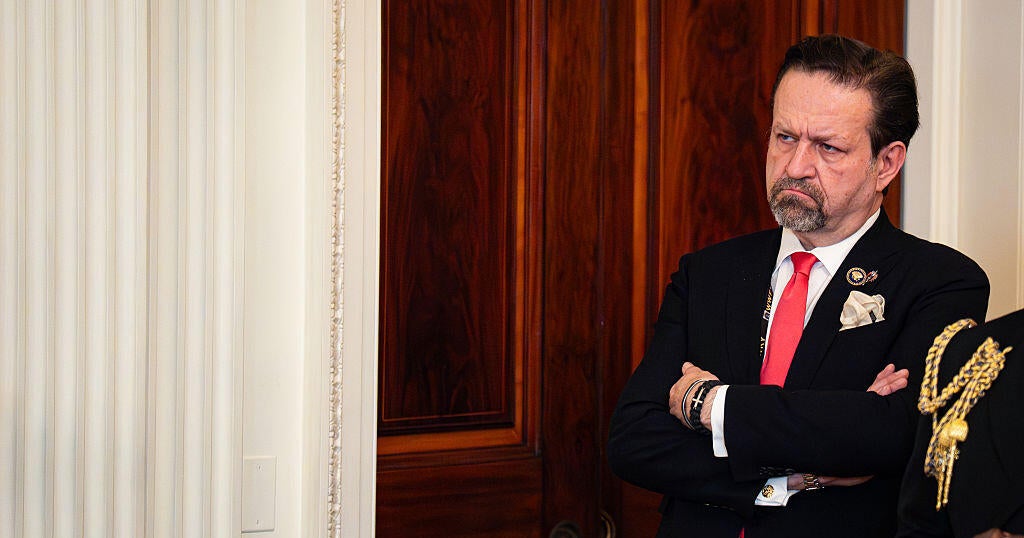
Seb Gorka, who serves as the senior director for counterterrorism at the White House National Security Council, delivered the administration’s message to reporters with characteristic bluntness. His central point was simple yet profound: nations that wish to be taken seriously on the world stage must contribute meaningfully to collective security efforts. “We have a very simple metric,” Gorka explained, “if you want to be measured as a serious nation, whether it is protecting tankers in the Strait of Hormuz or whether it is working against jihadi threats in the Sahel of Africa, we expect more from you.” This statement encapsulates the administration’s frustration with what it perceives as an imbalanced security arrangement where America bears disproportionate costs while allies enjoy the benefits of protection without commensurate contribution. The emphasis on the Strait of Hormuz—a critical waterway through which much of the world’s oil passes—and the Sahel region of Africa underscores the global scope of the challenges facing the international community. By highlighting these specific theaters, U.S. officials are making clear that they expect tangible commitments from partners in regions where American and allied interests converge. The administration is essentially rejecting the post-World War II security architecture that positioned the United States as the ultimate guarantor of global stability, arguing that such an arrangement is no longer tenable or desirable in the 21st century.
A Multi-Pronged Approach to Diverse Threats
The new 16-page counterterrorism strategy takes an unusually broad view of what constitutes a threat to American security, encompassing not just traditional terrorist organizations but also drug cartels and domestic political violence. This expansive approach reflects the complex security environment facing the United States today, where threats no longer fit neatly into conventional categories. Gorka outlined three primary focus areas: drug cartels that traffic narcotics and human beings across America’s borders, Islamist terror groups that continue to plot attacks and recruit followers worldwide, and violent political extremist groups whose ideologies are described as “anti-American, radically pro-gender or anarchist, such as antifa.” While Gorka declined to discuss classified operational details, he indicated that the administration’s approach would involve multiple tools—from traditional law enforcement and intelligence gathering to kinetic military action and financial pressure designed to strangle the economic lifelines that sustain these organizations. The strategy regarding drug cartels is particularly ambitious, aiming not merely to disrupt their operations but to incapacitate them to the point where they can no longer function as conduits for drugs and trafficking victims entering the United States. This suggests a more aggressive posture than previous administrations have adopted toward these criminal enterprises, which have long operated with relative impunity in parts of Latin America.
Focus on Islamist Extremism and Emerging Threats
When addressing Islamist extremism, the administration has identified five priority groups, including the Muslim Brotherhood, which has been formally designated as a foreign terrorist organization under this administration. The strategy aims to dismantle these organizations’ ability to recruit and radicalize new members, cutting off the pipeline that transforms sympathizers into active terrorists. Gorka noted a concerning trend: remnants of ISIS forces from Syria and Iran have been relocating to various African nations, seeking what he termed “ungoverned space”—areas where weak or absent governmental authority allows terrorist groups to establish footholds, train fighters, and plan operations. This migration of terrorist fighters to Africa represents a significant strategic challenge, as the continent contains numerous fragile states with limited capacity to combat well-armed and experienced extremist forces. The Sahel region, stretching across the southern edge of the Sahara Desert, has become a particular focus of concern, as it provides exactly the kind of ungoverned territory where terrorist groups have historically thrived. By highlighting this threat during the allies meeting, U.S. officials are essentially putting European and African partners on notice that they expect greater commitment to combating terrorism on the African continent—a region where some allies have historical ties and ongoing interests that could justify increased security engagement.
Domestic Political Violence and Controversial Characterizations
Perhaps the most controversial aspect of the new strategy involves its approach to domestic political violence, where Gorka’s comments revealed the administration’s particular framing of the threat landscape within the United States. The strategy, according to Gorka, aims to “cripple left-wing extremist efforts before innocent Christians and conservatives are killed,” a characterization that reflects a specific narrative about the primary direction from which domestic threats emerge. However, Gorka also stated that the strategy isn’t targeted at specifically labeled groups but rather at anyone who believes violence for political purposes is justified, regardless of their ideological orientation. This universalist principle was somewhat undercut by his subsequent comments, which focused heavily on what he characterized as left-wing threats. In particularly charged language, Gorka stated: “We will crush it, whether it is the cartels, the jihadists, or violent left-wing extremists like antifa and like the transgender killers, the non-binary, the left-wing radicals.” He also claimed that “the left has far more politically motivated assassinations or attempted assassinations, to its credit in recent years, not the right.” These characterizations are likely to generate significant controversy and pushback from civil liberties advocates, academic researchers who study domestic extremism, and political opponents who point to different data regarding the sources of domestic terrorism. The framing of certain identity categories alongside ideological designations raises questions about how the strategy will be implemented and whether it might sweep up constitutionally protected speech and association along with genuine threats of violence.
Implications for Global Security Architecture
This new counterterrorism strategy represents more than just a tactical shift in how America combats specific threats; it signals a fundamental rethinking of America’s role in the global security order. For more than seven decades, the United States has positioned itself as the ultimate security provider for much of the democratic world, maintaining military bases across the globe, patrolling international waters, and responding to crises far from American shores. This approach was justified as serving American interests by maintaining stability, protecting trade routes, preventing the emergence of hostile regional hegemons, and demonstrating resolve to deter potential adversaries. However, this role has come with enormous costs—financial, military, and diplomatic—and has generated resentment both domestically (from Americans who question why resources are spent abroad rather than at home) and internationally (from allies who sometimes chafe at American dominance and from adversaries who view U.S. presence as illegitimate interference). The new strategy’s emphasis on burden-sharing and its explicit rejection of the “global police officer” role suggests that America is moving toward a more transactional approach to security partnerships. Allies will be expected to demonstrate their commitment through concrete contributions rather than simply enjoying the umbrella of American protection. This shift will likely reshape alliance dynamics, potentially strengthening partnerships with nations willing and able to contribute substantially while creating friction with those unable or unwilling to meet American expectations. As the international community digests this new approach, the coming months will reveal whether allies respond by stepping up their efforts or whether the reduction in American commitment creates dangerous security vacuums that adversaries will seek to exploit.