

Pennsylvania Governor Josh Shapiro Builds Massive War Chest for 2026 Reelection Campaign
Record-Breaking Fundraising Continues
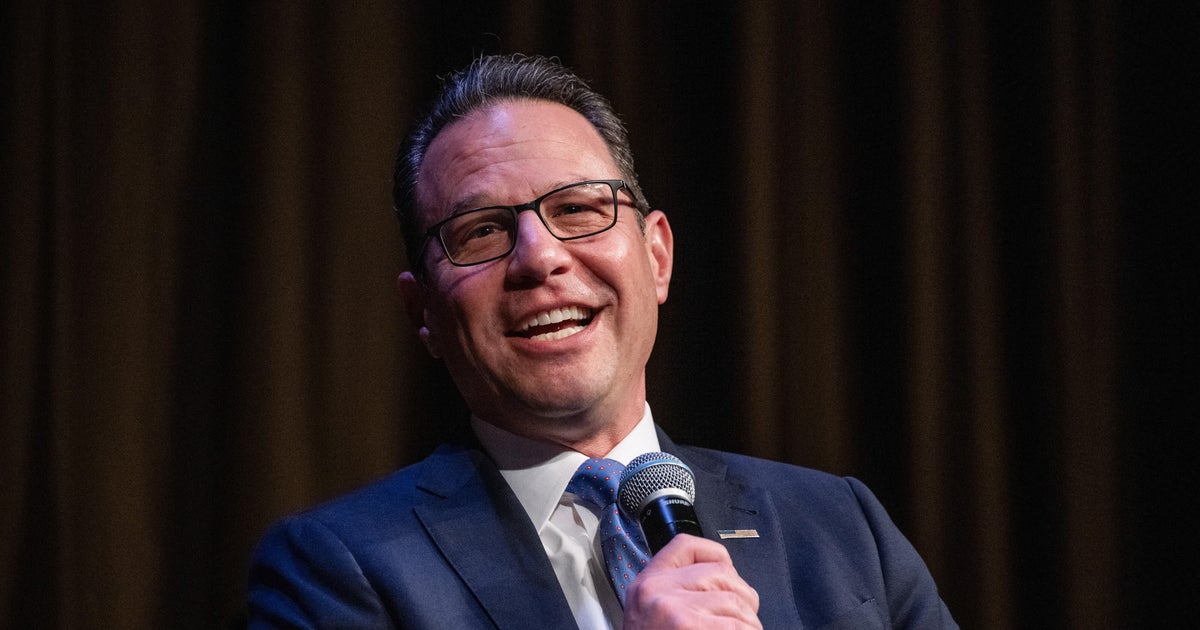
Pennsylvania Governor Josh Shapiro is demonstrating formidable fundraising prowess as he gears up for his 2026 reelection bid, adding another impressive haul to his already substantial campaign coffers. According to senior aides within his campaign, Shapiro raised $3.6 million during a five-week period spanning from March 31 to May 5. This latest injection of funds has brought his total cash on hand to an eye-popping $37 million, positioning him as one of the most financially secure incumbents in the country. This fundraising success isn’t particularly surprising given Shapiro’s track record – he already holds the distinction of raising more money than any other candidate in Pennsylvania gubernatorial history, having brought in $68 million during his successful 2022 campaign. The governor clearly understands that competing across Pennsylvania’s diverse geography and expensive media markets requires substantial financial resources, and he’s building the infrastructure necessary to defend his seat effectively.
The scale of Shapiro’s fundraising operation becomes even more apparent when compared to his likely opponent. Treasurer Stacy Garrity, who is expected to be the Republican nominee, hasn’t yet released her campaign’s fundraising figures for the same period, but the numbers from earlier in the year tell a stark story. During the first three months of 2025, Shapiro’s campaign outraised Garrity’s by a staggering 10-to-1 margin, pulling in more than $10 million while she struggled to match even a fraction of that amount. This massive fundraising disparity gives Shapiro significant advantages in terms of campaign infrastructure, advertising capacity, and organizational reach. It also signals strong confidence from donors across the political spectrum in Shapiro’s leadership and electability. The governor told donors back in January that his ambitious goal is to raise between $90 and $100 million for his reelection effort, according to reporting by Spotlight PA. If he achieves this target, it would shatter his own previous record and set a new benchmark for political fundraising in the Commonwealth.
The High Cost of Pennsylvania Politics
Understanding why Shapiro is raising such substantial sums requires appreciating the unique challenges of running a statewide campaign in Pennsylvania. The Keystone State presents particular difficulties for candidates seeking to reach voters across its diverse regions. Pennsylvania is the fifth-most populous state in the nation, with approximately 13 million residents spread across urban centers, suburban communities, and vast rural areas. This geographic and demographic diversity means candidates must craft nuanced messages that resonate with distinctly different constituencies – from the urban voters in Philadelphia to the suburban families in the counties surrounding Pittsburgh, from the rural communities in the state’s central “T” region to the former industrial towns struggling with economic transition. Reaching all these voters effectively requires a sophisticated, multi-faceted campaign operation that doesn’t come cheap.
The primary driver of campaign costs in Pennsylvania is the state’s expensive media markets, particularly those surrounding Philadelphia and Pittsburgh. Philadelphia’s media market is one of the most costly in the nation, serving not just the city itself but sprawling suburban counties in Pennsylvania as well as portions of New Jersey and Delaware. Similarly, Pittsburgh’s media market covers a significant portion of western Pennsylvania. Purchasing television advertising time in these markets during election season requires millions of dollars, and candidates who can’t compete on the airwaves find themselves at a severe disadvantage. Beyond television, modern campaigns must also invest in digital advertising, direct mail, field operations with paid staff and offices across the state, polling and research, and the technological infrastructure necessary to run a competitive operation. The 2022 gubernatorial race in Pennsylvania saw combined spending top $110 million from all candidates and outside groups, illustrating just how expensive these contests have become. Shapiro’s massive fundraising haul positions him to compete effectively across all these fronts, potentially overwhelming his opponent with superior resources.
A Clear Path Through the Primary
Both Shapiro and Garrity will face no opposition in their respective party primaries on May 19, making the nomination process essentially a formality for both candidates. For Shapiro, the lack of a primary challenger reflects his strong position within the Democratic Party and his popularity among Pennsylvania voters more broadly. Since taking office, Shapiro has cultivated a reputation as a pragmatic, results-oriented leader who’s willing to work across party lines when it serves the interests of Pennsylvanians. This moderate approach has helped him maintain strong approval ratings and discouraged potential primary challengers who might otherwise seek to pull him leftward or capitalize on any perceived weaknesses. The absence of a primary fight also provides Shapiro with significant strategic advantages – he can conserve his substantial war chest for the general election rather than spending resources defending against attacks from his own party, and he can focus his messaging on contrasting with Republican policies rather than differentiating himself from fellow Democrats.
For Garrity, running unopposed in the GOP primary is similarly advantageous, though it doesn’t solve her fundamental challenge: the massive resource disparity between her campaign and Shapiro’s. Garrity, who was first elected state treasurer in 2020, has statewide name recognition and a record she can point to, but she’ll need to dramatically ramp up her fundraising operation if she hopes to compete effectively with Shapiro’s well-funded campaign. The lack of a competitive primary means both candidates can essentially begin their general election campaigns immediately, though Shapiro’s financial advantages mean he can operate at a scale Garrity may struggle to match. Both campaigns will likely use the relatively quiet primary period to build their organizations, refine their messages, and prepare for what promises to be an expensive and hard-fought general election campaign in the fall of 2026.
Shapiro’s National Profile and Future Ambitions
Governor Shapiro’s political trajectory extends beyond Harrisburg, with many political observers viewing him as a potential contender for the Democratic presidential nomination in 2028. His combination of electoral success in a crucial swing state, moderate policy positions that appeal to centrist voters, and strong communication skills make him an attractive potential candidate for a party that will be looking to reclaim the White House if Republicans win in 2024, or to defend it if Democrats prevail. Shapiro’s national profile received a significant boost in 2024 when former Vice President Kamala Harris vetted him as a potential running mate during her campaign. Though he ultimately wasn’t selected, the vetting process itself generated substantial national media attention and introduced Shapiro to Democratic primary voters across the country who might not have been familiar with his work in Pennsylvania.
This national ambition may actually be helping Shapiro’s fundraising efforts in Pennsylvania, as donors who see him as a potential future presidential candidate are willing to invest in his state-level campaign as a way of supporting his longer-term political trajectory. A successful reelection campaign in 2026, particularly if Shapiro wins by a comfortable margin, would strengthen his credentials for a potential 2028 presidential run by demonstrating his continued appeal to Pennsylvania voters and his ability to win in a state that has become increasingly competitive in national elections. However, this national profile also presents potential vulnerabilities – Garrity and Republicans may seek to portray Shapiro as more focused on his own political advancement than on serving Pennsylvanians, an attack that could resonate with voters if not effectively countered. For now, though, Shapiro appears to be successfully balancing his responsibilities as governor with building the foundation for potential future campaigns, and his fundraising success suggests that donors believe in his political future at multiple levels.
Looking Ahead to November 2026
As the 2026 campaign takes shape, several factors will determine whether Shapiro’s massive financial advantage translates into electoral success. The national political environment will play a significant role – if Democrats are performing well nationally in the midterm elections, Shapiro will likely benefit from positive momentum, while a Republican wave could make his race more competitive regardless of his fundraising prowess. The specific issues that dominate the campaign will also matter significantly. Shapiro will likely emphasize his record of bipartisan accomplishment, his efforts to improve Pennsylvania’s infrastructure and economy, and his pragmatic approach to governing. Garrity, meanwhile, will need to craft a compelling message that resonates with voters despite her significant resource disadvantage, potentially focusing on any areas where Shapiro’s record might be vulnerable or where Republican positions align more closely with Pennsylvania voters’ priorities.
The impact of money in politics, while significant, isn’t absolute – well-funded candidates can and do lose elections when they fail to connect with voters or when broader political forces work against them. However, the sheer scale of Shapiro’s financial advantage makes him the clear favorite at this early stage. With $37 million in cash on hand and a proven ability to raise substantial sums, Shapiro can afford to invest in the kind of comprehensive campaign operation that reaches voters across Pennsylvania’s diverse landscape. He can respond quickly to attacks, define his opponent before she can define herself, and maintain a consistent presence in the expensive media markets that dominate Pennsylvania politics. Unless Garrity can dramatically close the fundraising gap or the political environment shifts substantially in Republicans’ favor, Shapiro’s path to reelection looks remarkably strong. The coming months will reveal whether his financial dominance proves as decisive as it appears, but for now, Josh Shapiro has positioned himself as one of the most formidable incumbents in the country heading into the 2026 midterm elections.