


Bitcoin’s Crisis: Understanding the Current Market Downturn
A Dramatic Fall From Grace
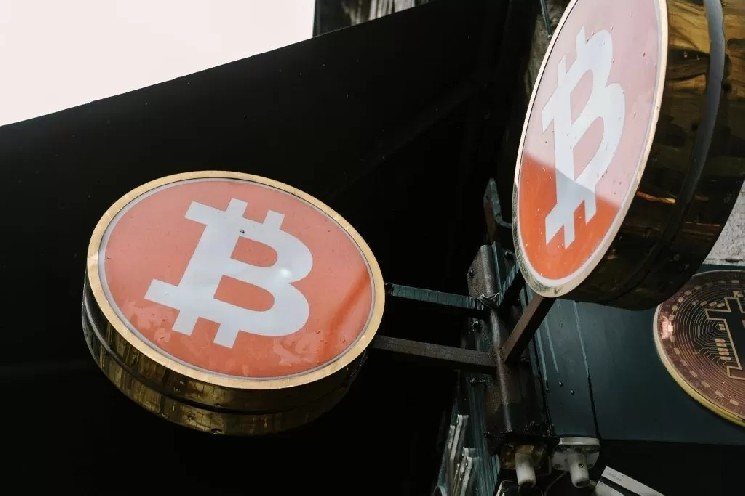
The cryptocurrency world is experiencing turbulent times as Bitcoin, the flagship digital currency that once seemed unstoppable, has suffered a devastating collapse in investor confidence. Over the weekend, when trading volumes traditionally thin out and liquidity dries up, Bitcoin crashed through the psychologically important $76,000 threshold. This wasn’t just a minor correction—it represented a staggering 40% plunge from the heights it reached earlier in 2025. To put this in perspective, the world’s most valuable cryptocurrency has essentially given back all the gains it made since the market chaos surrounding what traders dubbed “Freedom Day,” a period marked by tariff-related economic upheaval that sent shockwaves through global financial markets. What makes this decline particularly concerning is that it marks the continuation of a troubling pattern that began months ago, suggesting this isn’t just a temporary setback but potentially the beginning of an extended downturn that could test even the most dedicated cryptocurrency believers.
The Nature of This Decline Is Different
What sets the current market situation apart from previous Bitcoin crashes is the fundamental nature of the decline itself. Unlike the dramatic collapse witnessed in October, which was characterized by panic selling, forced liquidations, and the kind of fear-driven dumping that creates dramatic headlines, this downturn tells a more sobering story. The problem isn’t that people are desperately trying to sell their holdings in a panic—it’s that there simply aren’t enough buyers stepping up to support the price. This represents a crisis of momentum and confidence that may be even more difficult to reverse than a panic-driven sell-off. Market participants have noticed something particularly troubling: Bitcoin has become strangely unresponsive to factors that would normally drive its price movement. Geopolitical tensions that historically would send investors seeking safe havens? Bitcoin hasn’t budged. A weakening U.S. dollar that would typically make alternative assets more attractive? No significant response. General recoveries in risk appetite across financial markets? Bitcoin has remained stubbornly static. Meanwhile, traditional precious metals like gold and silver have experienced wild price swings in recent weeks, yet there’s been virtually no evidence of capital flowing from these markets into cryptocurrencies, suggesting that Bitcoin may have lost its appeal as an alternative investment vehicle for the time being.
A Historical Losing Streak With Ominous Implications
The numbers paint an increasingly grim picture for Bitcoin enthusiasts. January saw the cryptocurrency shed approximately 11% of its value, which might not sound catastrophic in isolation, but it represents the fourth consecutive month of losses. This four-month losing streak is the longest sustained decline Bitcoin has experienced since the brutal 2018 crash that followed the 2017 Initial Coin Offering (ICO) boom—a period many in the cryptocurrency community would prefer to forget. That previous bear market was characterized by failing projects, regulatory crackdowns, and a massive loss of confidence that took years to rebuild. Paul Howard, who serves as a director at market maker Wincent and has deep insight into cryptocurrency trading flows, offered a particularly pessimistic assessment that sent shivers through the community: “I don’t think we’ll see a new all-time high for Bitcoin in 2026.” This isn’t just any analyst making predictions—this is someone from a firm that facilitates cryptocurrency trading and has every reason to be optimistic about the market’s prospects. When such insiders express this level of pessimism, it deserves serious attention from anyone involved in or considering cryptocurrency investments.
The Collapse of Retail and Institutional Enthusiasm
Perhaps one of the most striking aspects of the current market environment is what’s happening—or more accurately, what’s not happening—on social media and in investor communities. Anyone who’s followed cryptocurrency markets through previous cycles remembers the aggressive “buy the dip” mentality that would emerge during downturns, with enthusiastic investors treating every price decline as a buying opportunity and spreading optimistic messages across Twitter, Reddit, and other platforms. That energy has largely evaporated. The bullish rhetoric that once dominated cryptocurrency discussions has been replaced by caution, skepticism, and in many cases, silence. What makes this shift even more remarkable is that it’s occurring despite genuinely positive developments in the cryptocurrency ecosystem. The Trump administration has implemented pro-cryptocurrency regulatory measures that many in the industry had hoped for. Institutional investment in digital assets has increased significantly compared to previous years. These are exactly the kinds of developments that would have triggered euphoria in past market cycles. Yet the market response has been muted at best, suggesting that many investors believe these positive factors were already anticipated and priced into Bitcoin’s earlier rally, leaving the market with nowhere to go but down once that initial enthusiasm was exhausted. On the institutional side, the picture is equally concerning. Spot Bitcoin Exchange-Traded Funds (ETFs), which were supposed to represent the arrival of mainstream investment in cryptocurrencies, are experiencing persistent outflows as investors withdraw their money. Many of these institutional investors bought in at much higher prices and are now sitting on substantial losses, creating a constituency of disappointed investors who may need considerable convincing before they return. Meanwhile, the large corporate players and digital asset treasuries that made headlines with massive Bitcoin purchases have significantly slowed their buying activity, particularly after their own stock prices experienced bubble-like behavior and subsequent crashes last year. This withdrawal of support from the market’s biggest participants has created a demand vacuum that smaller investors simply cannot fill.
Liquidity Crisis and Market Infrastructure Concerns
Beyond price declines, the cryptocurrency market is facing a more fundamental structural problem: a severe deterioration in market liquidity. According to data from Kaiko, a respected cryptocurrency market data provider, Bitcoin’s market depth—which measures the market’s ability to handle large transactions without dramatic price movements—has collapsed by more than 30% compared to its peak in October. To understand why this matters, imagine trying to sell a house in a neighborhood where there are very few buyers; you’d likely have to accept a much lower price than in a market with many interested purchasers. The same principle applies to Bitcoin trading. When liquidity is thin, even moderately sized transactions can cause significant price movements, creating volatility and making the market less attractive to serious investors. The last time Bitcoin’s liquidity was this poor was in the aftermath of the FTX exchange collapse in 2022, one of the most damaging episodes in cryptocurrency history that resulted in billions in losses and criminal charges against the exchange’s founder. The fact that current liquidity conditions resemble that crisis period should concern anyone involved in cryptocurrency markets, as it suggests the market’s infrastructure is under significant stress even without a specific catastrophic event triggering the decline.
The Long Road Ahead and Competition for Capital
Historical precedent offers little comfort for those hoping for a quick recovery. After Bitcoin reached its previous peak in 2021, it took a grueling 28 months before the cryptocurrency could reclaim those heights. Following the 2017 ICO boom and subsequent crash, recovery required nearly three full years of rebuilding confidence and gradually attracting new investment. These timelines suggest that patience—measured in years, not months—may be required for anyone expecting Bitcoin to return to its former glory. Kaiko analyst Laurens Fraussen has conducted detailed analysis of trading volume contractions during previous bear markets, finding that volumes fell by 60-70% during the 2017-2019 cryptocurrency winter and by 30-40% during the 2021-2023 downturn. His assessment of the current situation is sobering: we may only be about 25% of the way through the current decline cycle, with historical patterns suggesting the sharpest pullbacks typically occur around the midpoint. Fraussen expects trading volumes to remain depressed for the next six to nine months at minimum before any meaningful recovery begins. Some market participants believe the problem goes even deeper than cyclical patterns, pointing to fundamental competition for investment capital. Richard Hodges, founder of the Ferro BTC Volatility Fund, has been blunt in his conversations with major Bitcoin holders, telling them they need to prepare for approximately 1,000 days—nearly three years—before seeing new all-time highs. According to Hodges, the investment narrative has simply moved on from cryptocurrencies to other opportunities. Artificial intelligence stocks have captured the imagination and capital of momentum traders and institutional investors. Precious metals, particularly gold and silver, have experienced dramatic rallies that have attracted macro investors looking for inflation hedges and safe havens. In this competitive environment for investment dollars, Bitcoin has become yesterday’s story, struggling to articulate a compelling reason why capital should flow its way rather than toward these more fashionable alternatives. This shift in narrative may prove more challenging to overcome than any technical market factor, as it suggests Bitcoin needs to fundamentally re-establish its value proposition to a skeptical investment community.