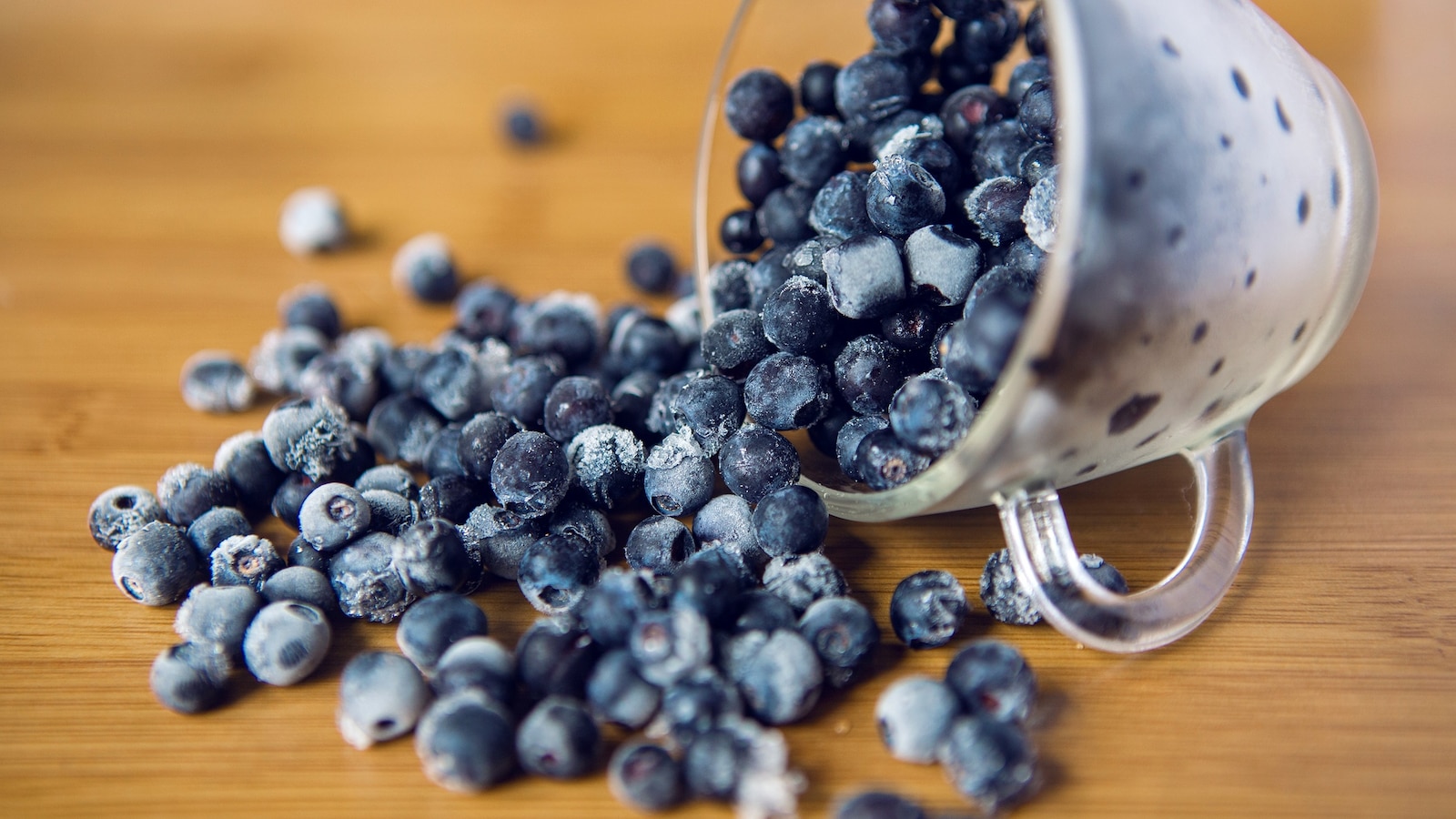

Major Frozen Blueberry Recall Affects Four States Due to Listeria Concerns
Understanding the Scope of the Recall
In mid-February, a significant food safety issue emerged when the Oregon Potato Company, parent company of the Salem, Oregon-based Willamette Valley Fruit Company, made the decision to voluntarily pull thousands of pounds of frozen blueberries from distribution. The recall, which was initiated on February 12, affects an impressive 55,689 pounds of frozen blueberries that may have been contaminated with Listeria monocytogenes, a dangerous bacterium that can cause serious illness and even death in vulnerable populations. This proactive measure demonstrates the company’s commitment to consumer safety, even though the situation highlights ongoing challenges in food production and safety monitoring. The U.S. Food and Drug Administration has been closely monitoring this situation and published an enforcement report detailing the recall’s specifics, ensuring that all affected parties are properly notified and can take appropriate action to prevent any health consequences.
The Serious Nature of This Food Safety Issue
What makes this recall particularly concerning is its classification by the FDA. On February 24, just under two weeks after the initial voluntary recall was announced, the FDA elevated this situation to a Class I recall—the most serious classification in their system. This designation isn’t given lightly; it specifically indicates that consuming or being exposed to the affected product could result in serious adverse health consequences or even death. This highest-level classification puts this blueberry recall in the same category as the most dangerous food safety issues, signaling to health officials, distributors, and anyone who may have come into contact with these products that immediate action is necessary. The severity of this classification reflects the FDA’s assessment of the genuine risk posed by Listeria monocytogenes, a pathogen that has proven particularly dangerous for certain vulnerable populations, including pregnant women, newborns, elderly individuals, and those with weakened immune systems.
Geographic Distribution and Product Details
The recall’s reach extends across multiple states and even crosses international borders. According to the FDA’s enforcement report, the potentially contaminated frozen blueberries were distributed to four U.S. states: Michigan, Oregon, Washington, and Wisconsin. Additionally, some of the product made its way to Canada, expanding the recall’s international scope and requiring coordination between U.S. and Canadian health authorities. However, there’s one piece of potentially reassuring news for everyday consumers: these blueberries were not sold directly to shoppers through retail stores. Instead, they were distributed through commercial channels, likely to food service operations, institutional kitchens, food manufacturers, or other bulk purchasers. The recalled berries came in commercial-sized packaging—either 30-pound corrugated cases or massive 1,400-pound totes of individually quick frozen (IQF) blueberries. These package sizes confirm that the product was intended for commercial use rather than individual consumer purchase, though this doesn’t eliminate the potential risk to the public, as these berries could have been incorporated into other food products or served in restaurants and cafeterias.
Identifying Affected Products and Next Steps
For businesses that may have received these potentially contaminated blueberries, identifying whether their inventory is part of the recall is crucial. The FDA has made this process as straightforward as possible by publishing specific lot codes and best-by dates on their official website. Any food service operation, manufacturer, or institutional kitchen that purchases frozen blueberries in bulk should immediately check their inventory against these identifiers. The lot codes and dates provide a clear way to determine whether specific products need to be removed from use and properly disposed of. It’s worth noting that the Willamette Valley Fruit Company has not issued a public press release regarding this recall, which is somewhat unusual for a Class I recall of this magnitude. ABC News reached out to the company for comment but had not received a response at the time of their reporting. This lack of public communication from the company itself makes the FDA’s enforcement report and public notification even more critical for ensuring that all potentially affected parties are aware of the situation and can take appropriate protective measures.
The Real Dangers of Listeria Contamination
Understanding why this recall warrants such serious attention requires knowing more about Listeria monocytogenes and the illness it causes, called listeriosis. According to the Centers for Disease Control and Prevention (CDC), approximately 1,250 people contract listeriosis each year in the United States. While this might seem like a relatively small number compared to other foodborne illnesses, listeriosis has an alarmingly high fatality rate—about 172 people die from it annually. This means that roughly one in seven people who contract listeriosis dies from it, making it one of the deadliest foodborne pathogens. Unlike many other food safety concerns, Listeria can grow even in refrigerated conditions, which is why frozen and refrigerated foods require such careful monitoring. The bacteria is particularly dangerous because it can cause severe complications, especially in pregnant women (where it can lead to miscarriage, stillbirth, or severe illness in newborns), older adults, and individuals with compromised immune systems. Symptoms can include fever, muscle aches, headache, stiff neck, confusion, loss of balance, and convulsions, and they can appear anywhere from a few days to several weeks after consuming contaminated food.
Broader Implications for Food Safety
This recall serves as an important reminder of the complex challenges involved in maintaining food safety throughout the modern supply chain. Frozen berries have been implicated in listeria outbreaks before, as the freezing process doesn’t kill the bacteria, and many consumers may not realize that frozen berries often need to be cooked before consumption to be completely safe. The fact that this recall involves such a large quantity—over 55,000 pounds—distributed across multiple states and into Canada demonstrates how quickly a contamination issue at a single processing facility can have far-reaching consequences. It also highlights the importance of the food safety monitoring systems that detected this problem before widespread illness occurred. For consumers, this situation reinforces several key food safety practices: always wash fruits and vegetables (even if they’re labeled as pre-washed), cook frozen berries before eating them unless the package specifically states they’re ready to eat, be aware of recall notices, and pay attention to food safety guidelines, especially if you or someone in your household falls into a high-risk category. While this particular recall didn’t involve retail products, it reminds us all to stay informed about the food we eat and where it comes from. The collaborative effort between the company, the FDA, and public health officials in managing this recall demonstrates the food safety system working as intended—identifying problems and taking action before they can cause widespread harm to public health.