

Federal Reserve Holds Steady: Powell’s Crucial Address Amid Economic Uncertainty
Navigating Turbulent Economic Waters
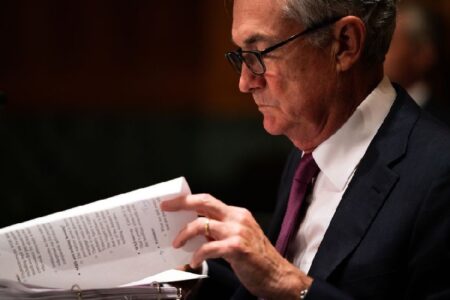
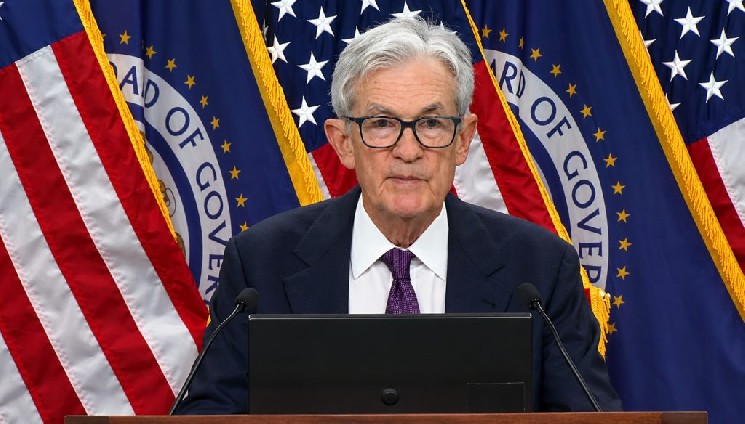
In a highly anticipated press conference following the Federal Reserve’s decision to maintain current interest rates, Chairman Jerome Powell delivered a comprehensive assessment of America’s economic landscape. The decision to keep rates unchanged comes at a particularly delicate moment, as the nation grapples with persistent inflation concerns, geopolitical tensions, and an uncertain economic future. Powell’s remarks painted a picture of cautious optimism tempered by realistic acknowledgment of the challenges ahead. The Fed’s stance reflects a careful balancing act between controlling inflation and avoiding unnecessary economic disruption. With energy prices climbing and global events creating ripples through financial markets, the central bank is taking a measured approach to monetary policy. Powell emphasized that the current policy position is appropriate given the circumstances, suggesting that policymakers believe they’ve struck the right balance for now. However, he was quick to note that the economic outlook remains highly uncertain, acknowledging that future decisions will depend heavily on incoming data and evolving conditions both domestically and internationally.
Inflation Concerns and Energy Market Pressures
One of the most pressing issues Powell addressed was the ongoing challenge of inflation, particularly as it relates to rising energy costs. The Fed chairman candidly acknowledged that high inflation is being partly driven by increasing energy prices, a factor that impacts virtually every sector of the economy. According to Powell’s projections, PCE (Personal Consumption Expenditures) inflation is expected to reach 3.5% in March, which remains well above the Fed’s long-term target of 2%. Perhaps even more concerning, Powell noted that energy inflation has not yet peaked, suggesting that consumers may face continued pressure at the pump and in their utility bills in the months ahead. Despite these near-term inflation worries, Powell offered a silver lining by indicating that long-term inflation expectations remain consistent with the Fed’s 2% target. This is crucial because it suggests that while prices are elevated now, consumers and businesses don’t expect permanently high inflation, which could become a self-fulfilling prophecy if expectations became unanchored. The acknowledgment that inflation expectations have risen recently, however, shows that the Fed is closely monitoring this critical metric and remains prepared to act if necessary to keep expectations grounded.
Geopolitical Tensions Add Complexity to Economic Policy
Powell didn’t shy away from discussing how international events are complicating the Fed’s decision-making process. He specifically mentioned that events in the Middle East have increased uncertainty, referring to ongoing tensions in that region that have historically had significant impacts on global energy markets and broader economic stability. These geopolitical factors create additional complications for monetary policy because they represent variables largely outside the Fed’s control yet with potentially significant economic consequences. Before the Fed would consider lowering interest rates, Powell explained, policymakers want to carefully examine various aspects of energy markets and tariff situations. This statement reveals the interconnected nature of global economics and how domestic monetary policy cannot be made in a vacuum. Trade policies, international conflicts, and energy market dynamics all feed into the Fed’s calculus as it determines the appropriate path forward. The chairman’s comments suggest that the central bank is adopting a wait-and-see approach, gathering more information about how these various factors will play out before making any significant policy adjustments that could either stimulate or further cool the economy.
A Historic Transition in Federal Reserve Leadership
In a surprising and significant announcement, Powell revealed that this would be his last press conference as Fed chairman, congratulating Kevin Warsh as his apparent successor. This leadership transition comes at a particularly consequential moment for the American economy and adds another layer of uncertainty to an already complex situation. Powell’s tenure has been marked by extraordinary challenges, from navigating the economic aftermath of the pandemic to managing the most aggressive interest rate hiking campaign in decades to combat inflation. His departure marks the end of an era at the nation’s central bank. Powell also addressed recent controversy, welcoming the Justice Department’s announcement that an investigation had been closed. He emphasized his commitment to seeing through any remaining processes, stating he would not leave until matters were completely resolved. His dignified handling of this situation demonstrated the independence and integrity that central bank leadership requires. Powell announced he would continue serving as a member of the Federal Reserve Board of Governors for a specified period, promising to perform these duties “in a humble manner.” He expressed that he would leave the Fed when he believes the time is right, suggesting a thoughtful, measured transition rather than an abrupt departure that could unsettle markets.
Internal Fed Deliberations and Future Policy Direction
Powell offered valuable insights into the discussions and debates happening within the Federal Reserve’s decision-making bodies. He acknowledged that reaching consensus among 19 committed individuals—referring to his colleagues on the Federal Open Market Committee—is very difficult, giving the public a rare glimpse into the complexity of monetary policy formation. The chairman noted that the number of officials supporting a neutral stance has increased, suggesting a shift in thinking among Fed members about the appropriate policy path. Interestingly, Powell revealed that more people now believe the probability of an interest rate increase is almost equal to the probability of a decrease, indicating significant uncertainty even among the experts tasked with making these decisions. This balanced division of opinion reflects the genuinely unclear nature of the economic path ahead. However, Powell was clear on one point: “Nobody is saying we need to raise interest rates right now,” which should provide some reassurance to borrowers and businesses concerned about further tightening. Looking ahead, Powell indicated that at the next meeting, policymakers may consider changing the current loose monetary policy stance, though he didn’t specify in which direction. This suggests that all options remain on the table and that the Fed is maintaining maximum flexibility to respond to evolving economic conditions.
Looking Ahead: Uncertainty and Careful Vigilance
As Powell’s remarks concluded, several themes emerged that will likely characterize the Fed’s approach in the coming months. First, uncertainty is the watchword—whether regarding the economic outlook, geopolitical events, or inflation trajectories. The Fed is clearly operating with imperfect information in a rapidly changing environment, which necessitates a cautious, data-dependent approach. Second, the central bank remains firmly committed to its dual mandate of price stability and maximum employment, even as these goals sometimes pull in different directions. The decision to hold rates steady reflects a judgment that neither aggressive tightening nor premature easing is warranted at this moment. Third, the transition in leadership adds another dimension of uncertainty, though Powell’s commitment to an orderly transition should help minimize disruption. For everyday Americans, Powell’s message translates to a period of continued vigilance regarding inflation, particularly in energy costs, but also hope that the worst of price increases may be behind us if long-term expectations remain anchored. Borrowers should not expect imminent relief through rate cuts, but neither should they fear additional rate hikes in the immediate future. The Fed is essentially in a holding pattern, watching and waiting for clearer signals about the economy’s direction before making its next significant move. This patient approach may frustrate those hoping for quick solutions, but it reflects the careful, deliberate decision-making that responsible central banking requires in these uncertain times.