
The Art of Diplomatic Gift-Giving: A History of U.S.-British Royal Exchanges
From Rebellion to Friendship: Building Bridges Through Thoughtful Gestures
The relationship between the United States and Great Britain has come a long way since the American colonies rebelled against King George III in 1776. What began as a revolutionary break from British monarchy has evolved into one of the world’s most enduring diplomatic relationships, often referred to as the “special relationship.” For nearly two centuries, American presidents and British monarchs have marked their meetings and state visits with the exchange of gifts—a tradition that reflects not just diplomatic protocol, but the genuine warmth and mutual respect that has grown between these two nations. Some of these gifts have become legendary symbols of Anglo-American friendship, while others have raised eyebrows or brought smiles for their quirky nature. From historically significant artifacts to surprisingly personal tokens, these exchanges tell the story of how two nations have maintained their bond across generations. The tradition continues today, with King Charles III recently presenting President Trump with a remarkable piece of naval history—a bell from the HMS Trump—during a state dinner at the White House, demonstrating that even in our modern era, the careful selection of meaningful gifts remains an important part of international diplomacy.
The Resolute Desk: A Gift That Shaped Presidential History
Among all the gifts exchanged between British monarchs and American presidents, none has proven more enduring or symbolically powerful than the Resolute Desk. This magnificent piece of furniture has been the centerpiece of the Oval Office for most of the past 144 years, representing continuity, craftsmanship, and the intertwined histories of two great nations. The story behind this desk reads like an adventure novel: the HMS Resolute, a British Arctic exploration vessel, became trapped in Arctic ice and had to be abandoned by its crew in 1854. The following year, American whalers discovered the ship drifting in icy waters and brought it back to the United States. In an extraordinary gesture of goodwill, the American government had the vessel completely refurbished and returned it to England as a gift to Queen Victoria in 1856. When the HMS Resolute was eventually decommissioned in 1879, Queen Victoria ordered that several desks be crafted from its timbers. She presented the most magnificent of these—the Resolute Desk—to President Rutherford B. Hayes in 1880. The desk has served as the workspace for nearly every president since then, with only Lyndon Johnson, Richard Nixon, and Gerald Ford choosing to use different desks during their terms. After being loaned to a traveling exhibition, President Jimmy Carter specifically requested its return to the Oval Office in 1977, and it has remained there ever since, bearing witness to countless historic decisions and serving as a tangible reminder of the friendship between two nations that once stood on opposite sides of a revolution.
The Obama Years: Personal Touches and Historic Letters
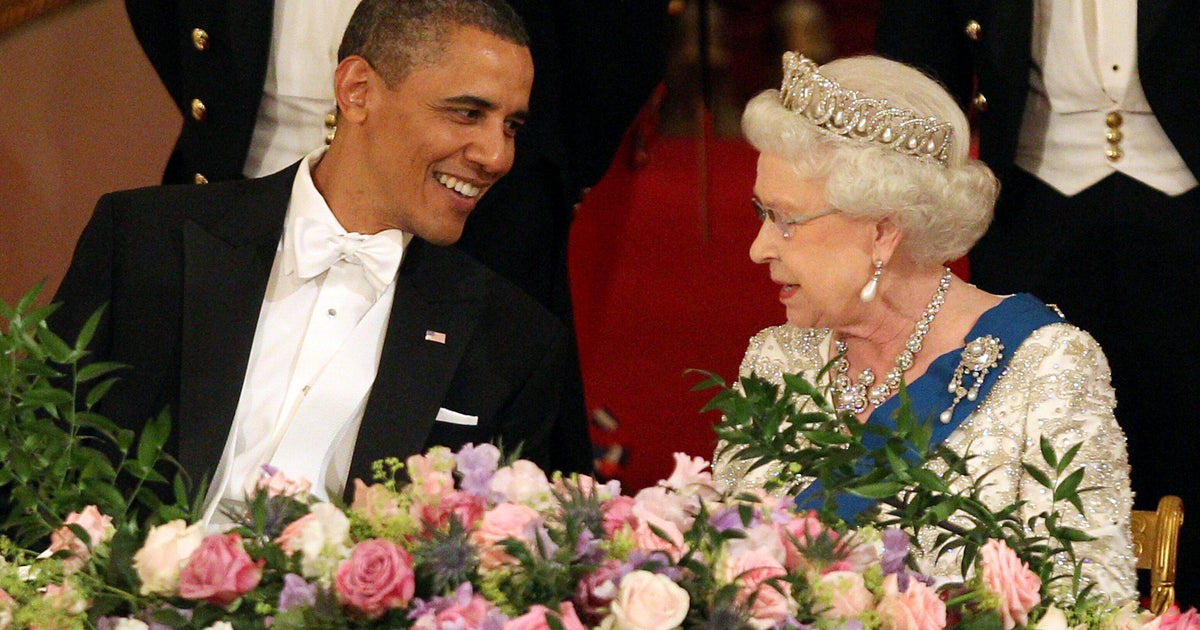
When President Barack Obama and First Lady Michelle Obama visited Queen Elizabeth II and the Duke of Edinburgh in May 2011, the gift exchange reflected a deep appreciation for shared history and personal connection. The Queen presented President Obama with an extraordinary collection of correspondence between past American presidents and British royalty, with a particular focus on letters to and from Queen Victoria, her great-great-grandmother. Among these precious documents was a letter from President John Quincy Adams to then-Princess Victoria, written in 1834 when she was still years away from ascending to the throne. Perhaps most poignant was a letter from Queen Victoria to Mary Todd Lincoln, written in the aftermath of President Abraham Lincoln’s assassination—a message of condolence from one woman to another who understood the weight of public life during times of national tragedy. This gift demonstrated how the British monarchy maintains meticulous historical records and recognizes the value of these personal connections across generations. The Obamas’ gift choices also made headlines, though for different reasons. In 2009, President Obama had raised eyebrows by gifting Queen Elizabeth an iPod loaded with music and photos—a thoroughly modern gift that some criticized as too casual for a monarch, though the Queen herself reportedly appreciated it. Learning from that experience, the Obamas chose something more traditionally appropriate for their 2011 visit: a beautifully crafted leather-bound album containing rare photographs and memorabilia from King George VI and Queen Elizabeth’s historic 1939 visit to the United States. This gift acknowledged the Queen’s personal history while celebrating the long tradition of royal visits to America, showing how diplomatic gift-giving requires balancing contemporary thoughtfulness with respect for tradition and protocol.
The Trump Family’s Royal Connections: Horses, Submarines, and Symbolic Bells
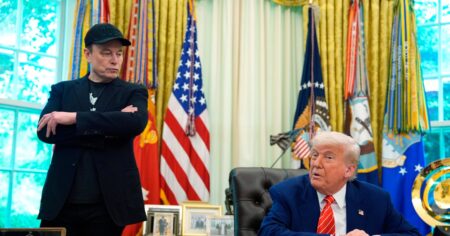
President Donald Trump has made no secret of his admiration for the British royal family, and his multiple visits to the United Kingdom during both his first and second terms have been marked by memorable gift exchanges. During his first official visit as president in July 2018, Trump presented Queen Elizabeth II with a pewter horse sculpture—a fitting choice given the Queen’s lifelong passion for horses and equestrian activities. This gift joined a long tradition of American presidents acknowledging the Queen’s love of horses through their presents. President George W. Bush had famously gifted her a golf cart-sized electric vehicle in 2008, which became somewhat infamous for being more practical than sentimental. Over the years, Queen Elizabeth and Prince Philip received numerous equestrian-themed gifts from American delegations, reflecting how personal interests can guide diplomatic gift-giving when chosen thoughtfully. However, King Charles III’s recent gift to President Trump at a state dinner may have topped them all in terms of personal significance and historical resonance. The King presented Trump with the original bell from the HMS Trump, a T-class submarine that was launched in 1944 during World War II. The timing and symbolism of this gift were particularly striking—the submarine’s name “Trump” doesn’t actually refer to the president’s family name but rather comes from the old-fashioned word meaning “to triumph” or “to surpass.” All 53 submarines in the T-class received names beginning with the letter T, ranging from serious military names to somewhat whimsical ones like Tally-Ho and Tiptoe. The HMS Trump served the United Kingdom honorably throughout the war and beyond, finally being scrapped in 1971 after decades of service. By presenting this bell to President Trump, King Charles created a gift that was both deeply personal—playing on the name connection—and historically significant, representing British-American cooperation during one of history’s most challenging periods. The president’s visible delight at receiving this unique artifact demonstrated how the right gift, chosen with care and creativity, can strengthen diplomatic bonds while creating a moment of genuine human connection.
Royal Jewelry as Diplomatic Messenger: Queen Camilla’s Symbolic Brooch
Sometimes the most powerful diplomatic messages aren’t delivered through words but through carefully chosen symbols worn at precisely the right moment. When Queen Camilla arrived in the United States for this week’s state visit alongside King Charles III, royal watchers immediately noticed the brooch pinned to her outfit—a beautiful piece featuring both the Union Jack and the Stars and Stripes intertwined. This wasn’t just any brooch selected from the royal jewelry collection; it was the very same piece that had been presented to Queen Elizabeth II during her first visit to the United States in 1957, nearly seventy years earlier. By choosing to wear this particular piece of jewelry, Queen Camilla was making a statement about continuity, respect for tradition, and the enduring nature of the Anglo-American relationship that transcends any single generation. The brooch represented a bridge between past and present, honoring Queen Elizabeth’s memory while also signaling Queen Camilla’s own commitment to maintaining and strengthening ties between the two nations. This kind of symbolic gesture demonstrates the sophistication of modern royal diplomacy, where every detail—from the gifts exchanged to the jewelry worn—carries layers of meaning for those paying attention. It also shows how the British royal family maintains extensive archives and remembers the historical significance of items in their collection, using them strategically to reinforce diplomatic messages. The choice to wear this specific brooch, given to Queen Elizabeth during the Eisenhower administration, created a visual link spanning from the mid-20th century to today, reminding both nations of how long they’ve walked together as allies and friends through changing times and circumstances.
The Deeper Meaning: Why Diplomatic Gifts Matter in Modern Statecraft
In our age of instant communication, video conferences, and tweet diplomacy, one might question whether the tradition of exchanging physical gifts between heads of state still holds relevance. Yet these recent exchanges between the British monarchy and American presidency demonstrate that thoughtful gift-giving remains a powerful diplomatic tool, perhaps more important than ever in our increasingly digital world. These gifts serve multiple purposes beyond simple politeness: they create tangible connections between nations, demonstrate cultural understanding and respect, provide opportunities for meaningful symbolism, and create moments of human warmth that transcend political differences. The HMS Trump bell, the historic letters from Queen Victoria, the Resolute Desk still standing in the Oval Office—these aren’t just objects but storytellers, each carrying narratives about cooperation, friendship, and shared history. They remind us that despite occasional policy disagreements or changes in political leadership, the fundamental relationship between nations can endure and grow stronger over generations. When President Trump received that submarine bell and clearly delighted in its personal connection to his name, when President Obama carefully examined historic letters written by his predecessors, when Queen Camilla deliberately chose a brooch celebrating both nations’ flags—these moments humanize diplomacy in ways that policy papers and official statements never can. They remind citizens of both countries that international relationships aren’t just abstract concepts but living connections maintained through respect, attention to detail, and genuine goodwill. As the United States and United Kingdom navigate the complexities of the 21st century together—facing new challenges from cybersecurity to climate change—these traditions of gift-giving and symbolic gesture-making continue to reinforce the bonds that make cooperation possible, proving that even in our modern world, there’s still profound value in the ancient art of presenting the right gift at the right moment to the right person.