
Global Breast Cancer Survival: A Tale of Two Worlds
The Growing Divide in Women’s Cancer Care
Breast cancer outcomes have reached a critical crossroads, revealing a stark reality that reflects our world’s economic inequalities. While women in wealthy nations are living longer and healthier lives after diagnosis, their counterparts in poorer countries face an increasingly deadly struggle. A comprehensive study published in The Lancet, examining data from 1990 to 2023, paints a picture of remarkable medical progress shadowed by troubling disparities. In the United States alone, death rates from breast cancer have plummeted by more than 40%, and new diagnoses have decreased by nearly 30%. Similar success stories emerge from Western Europe and other affluent regions. Yet these victories feel hollow when contrasted with the grim statistics from low-income areas, particularly Sub-Saharan Africa, where death rates have surged by more than 80% during the same period. This divergence represents more than numbers on a page—it reflects millions of women whose zip codes, not their cancer, determine their fate. As the most common cancer affecting women globally, with nearly one in four female cancer patients diagnosed with breast cancer in 2023, these disparities demand urgent attention and action.
Medical Advances That Changed Everything—For Some
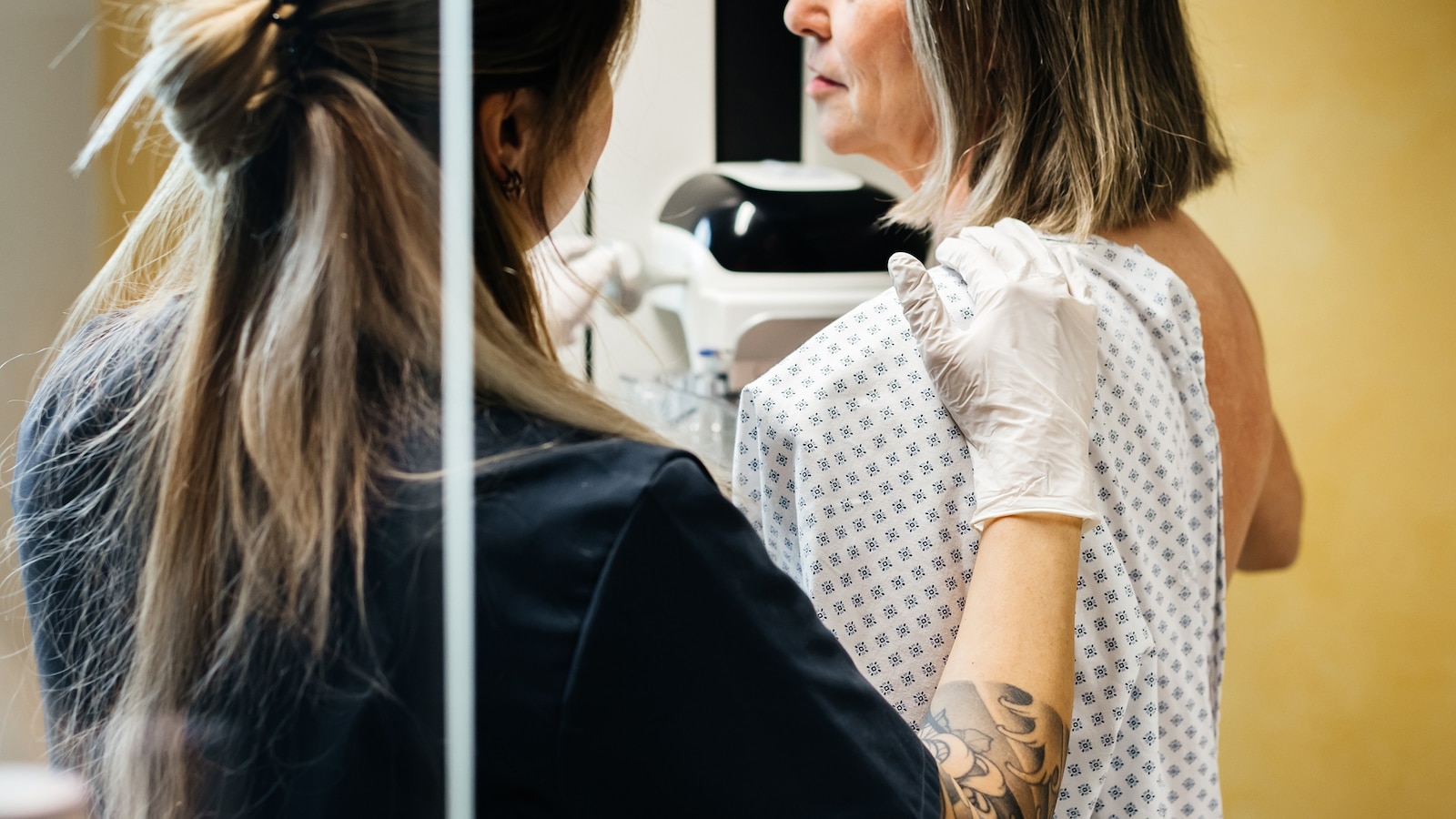
The dramatic improvements in breast cancer survival in wealthy nations didn’t happen by accident. They’re the result of decades of research, technological innovation, and healthcare infrastructure development. Today’s screening technologies can detect tumors when they’re still small and highly treatable. Sophisticated imaging techniques reveal cancerous changes before patients even feel symptoms. Treatment options have expanded exponentially, from targeted therapies that zero in on specific cancer cells to immunotherapy approaches that harness the body’s own defense systems. These advances have pushed five-year survival rates to an impressive 85-90% in many high-income countries. Women who once faced a devastating diagnosis now often return to full, active lives. Early detection through regular mammograms means cancers are caught at stages when they’re most responsive to treatment. But here’s the uncomfortable truth: these life-saving technologies and treatments remain largely inaccessible to women in low-resource settings. The screening programs, specialized oncology centers, and advanced treatment protocols that have become standard in wealthy nations are distant dreams for healthcare systems struggling with basic resources. This creates a cruel irony where the world possesses the knowledge and tools to save lives, yet millions of women die because they can’t access them.
Why Location Still Determines Survival
Dr. Lisa Force, an oncologist at the University of Washington who led the research, put it plainly: women in high-income countries are making progress while those in the lowest income settings face an increasing burden. The reasons behind this disparity are complex but understandable. In low-resource areas, the infrastructure for cancer care simply doesn’t exist at the scale needed. Screening programs require equipment, trained technicians, and systems to follow up on results—resources many countries can’t provide. Without adequate screening, cancers aren’t detected until later stages when tumors have grown larger and potentially spread. At these advanced stages, treatment becomes more complex, more expensive, and less likely to succeed. Even when diagnosis happens, access to appropriate treatment presents another massive hurdle. Chemotherapy, radiation therapy, and surgical facilities may be hundreds of miles away, if available at all. The medications that have become standard in Western oncology may be unaffordable or simply unavailable. This means women who might have been cured with early intervention instead face terminal diagnoses. The disparities extend beyond international borders. Even within the United States, significant gaps persist. Black, non-Hispanic women have a 1.4 times higher death rate from breast cancer compared to White women, highlighting how systemic inequities in healthcare access affect outcomes even in resource-rich environments.
The Lifestyle Connection: Prevention Within Reach
While access to screening and treatment varies dramatically worldwide, the study revealed something both sobering and hopeful: almost a third of breast cancers examined were linked to modifiable lifestyle factors. High red meat consumption, secondhand smoke exposure, obesity, physical inactivity, tobacco use, and alcohol consumption all contribute to breast cancer risk. This represents an area where progress doesn’t necessarily require expensive technology or advanced medical facilities. Dr. Larry Norton, an oncologist and medical director at Memorial Sloan Kettering’s Evelyn H. Lauder Breast Center, emphasized the connection between individual and community health. “You’re healthier if you live in a healthy society,” he explained, noting that when communities prioritize things like exercise, it becomes easier for individuals to make healthy choices. This perspective shifts some focus from treatment to prevention, from individual responsibility to collective action. Public health initiatives that reduce smoking rates, improve nutrition, encourage physical activity, and limit alcohol consumption could meaningfully reduce breast cancer incidence globally. These interventions don’t require the same level of investment as building comprehensive cancer treatment centers, making them potentially more feasible in resource-limited settings. However, implementing effective public health programs still requires political will, funding, and infrastructure—challenges that shouldn’t be minimized but that may be more surmountable than building entire oncology systems from scratch.
Screening Guidelines and the Path Forward
For women in countries with access to screening, following evidence-based guidelines offers the best chance of early detection. The U.S. Preventive Services Task Force now recommends that women at average risk begin mammogram screening at age 40, continuing every two years through age 74. This updated guidance, which lowered the starting age from the previous recommendation of 50, reflects evolving understanding of when screening provides the most benefit while minimizing potential harms from false positives and unnecessary procedures. These recommendations apply to women with average risk, but individual circumstances matter. Women with genetic mutations like BRCA1 or BRCA2, strong family histories of breast cancer, or previous chest radiation need personalized screening plans that may include earlier start dates, more frequent screening, or additional imaging technologies like MRI. For women 75 and older, the evidence becomes less clear, and decisions should be made individually based on overall health, life expectancy, and personal preferences. These nuanced guidelines reflect the sophistication of modern cancer screening—but they also highlight the complexity that makes implementing effective screening programs in low-resource settings so challenging.
Hope on the Horizon: Technology and Political Will
Despite the sobering disparities, there are reasons for cautious optimism. Dr. Norton pointed to emerging technologies that could help bridge the global gap in breast cancer care. Digital pathology, which allows cancer tissue samples to be analyzed remotely, could bring expert diagnosis to areas lacking specialized pathologists. Diagnostic blood tests that detect cancer markers could provide screening options where mammography infrastructure doesn’t exist. Perhaps most exciting, cancer-preventing vaccines are moving from theoretical possibilities toward clinical reality. “The science is leading us is the good news,” Norton said. But technology alone won’t solve these disparities. As Dr. Force emphasized, addressing the global breast cancer burden “is really going to take political will and investment in strategies that target the entire cancer continuum, all the way from prevention through to diagnosis and treatment.” This means sustained commitment from governments, international organizations, and the global health community. It requires funding not just for treatment but for the less glamorous work of building healthcare infrastructure, training medical professionals, and establishing screening programs. It demands attention to the social determinants of health that make prevention more challenging in certain communities. The good news is that we know what works—high-income countries have already demonstrated that breast cancer mortality can be dramatically reduced. The challenge now is extending these successes to every woman, regardless of where she lives or her economic circumstances. In a world with the medical knowledge and technology to save lives, ensuring that all women benefit from these advances is not just a medical imperative but a moral one.