
Burger King Gives Its Iconic Whopper a Major Makeover After Nearly a Decade
Listening to the Voice of the Customer
In a move that demonstrates the power of customer feedback, Burger King has announced a significant transformation of its most beloved menu item—the Whopper. For the first time in almost ten years, the fast-food giant has decided to revamp both the recipe and packaging of this flame-grilled burger that has been a staple of American fast food culture for generations. This isn’t just a minor tweak or a temporary promotional change; it represents a fundamental shift in how Burger King approaches its signature product. The company made it clear in their Thursday announcement that this decision came directly from listening to what their customers wanted and needed from their dining experience. In an era where consumers are increasingly vocal about their expectations for quality and value, Burger King’s willingness to evolve its most famous offering shows a commitment to staying relevant and responsive to market demands.
What’s New in Your Whopper
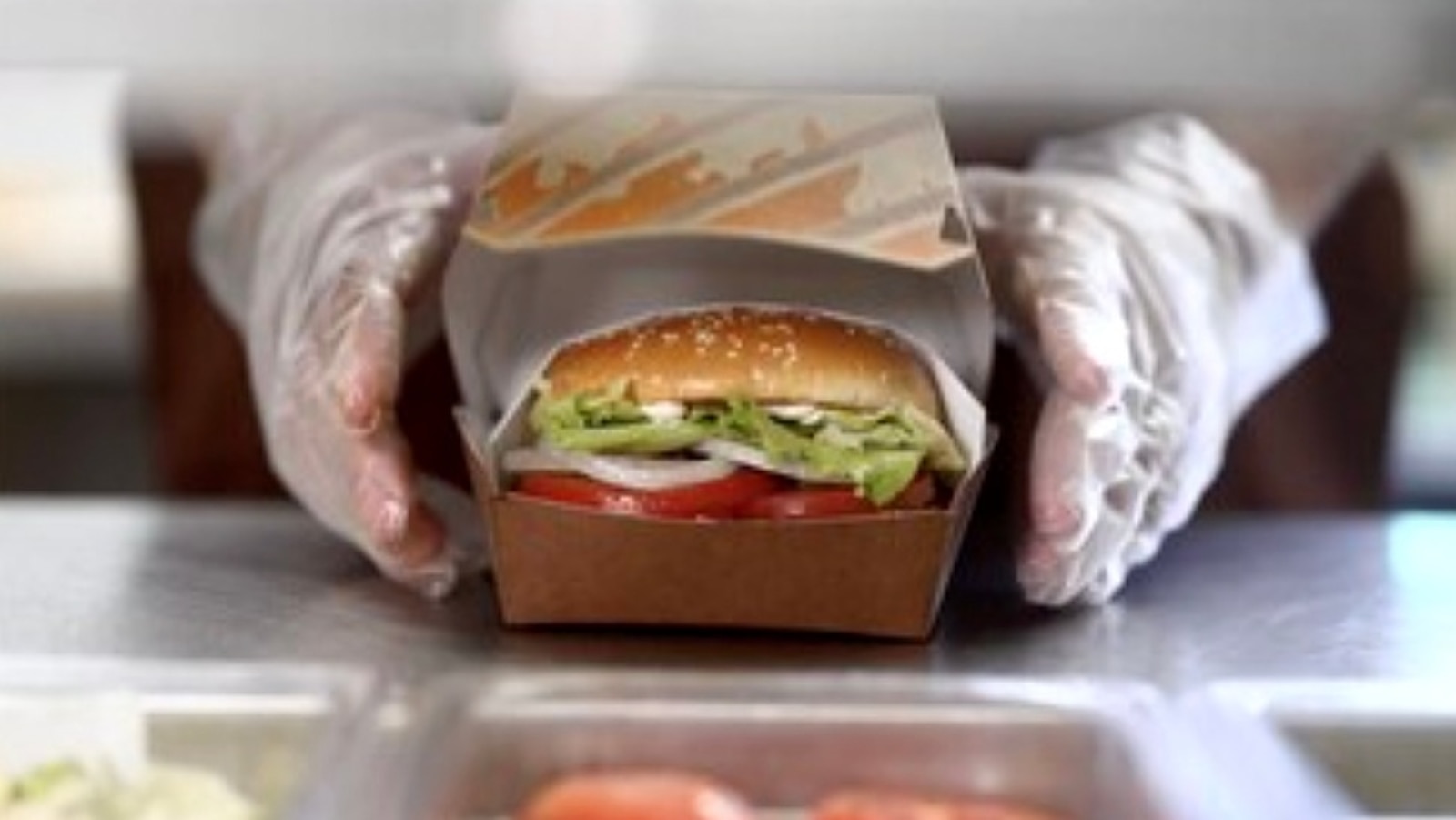
So what exactly has changed about the Whopper that millions of Americans have come to know and love? According to Burger King’s announcement, the improvements are all about elevation and quality enhancement. The new and improved Whopper now features what the company describes as a “premium bun” that presumably offers better texture, flavor, and structural integrity than its predecessor. But the changes don’t stop there. The vegetables have received special attention too, with Burger King emphasizing that the onions and tomatoes are now “freshly cut” rather than pre-sliced and stored. The lettuce is described as “crisp,” suggesting a focus on freshness and quality control in vegetable preparation. Even the condiments haven’t escaped the upgrade treatment—the pickles are now characterized as “tangy,” and perhaps most notably, the mayonnaise has been reformulated to be “better tasting.” These might seem like small details to some, but for burger enthusiasts and regular Burger King customers, these refinements could make a significant difference in the overall eating experience. The company is clearly betting that quality improvements in each individual component will add up to a noticeably superior final product.
Premium Presentation and Quality Assurance
Beyond the ingredients themselves, Burger King has also reimagined how the Whopper reaches customers. In a departure from traditional wrapping methods, the upgraded Whopper will now be served in a box. This isn’t just about aesthetics or trying to look more upscale—though that’s certainly part of it. Burger King explains that the box packaging serves a functional purpose: “to ensure it makes it to Guests exactly the way it left the kitchen.” Anyone who has ever received a hastily wrapped burger that arrived squished, with ingredients sliding out one side, can appreciate this change. The box format provides structure and protection during transport, whether that’s from the counter to your table in the restaurant or during delivery to your home. This attention to presentation details suggests Burger King understands that the eating experience begins the moment a customer receives their food, not just when they take the first bite. It’s a recognition that in today’s Instagram-ready world, how food looks matters almost as much as how it tastes. The packaging upgrade also signals that Burger King is positioning the Whopper as a premium product worthy of premium presentation.
Maintaining the Whopper’s Core Identity
Despite all these changes, Burger King was careful to emphasize what hasn’t changed about the Whopper. The burger still features the same generous portion of beef—more than a quarter-pound—that has been a Whopper hallmark since its creation. Perhaps more importantly for health-conscious consumers, the company reaffirmed that the Whopper remains free of artificial colors, flavors, and preservatives. This commitment to relatively clean ingredients has become increasingly important to modern consumers who scrutinize ingredient lists and demand transparency from food companies. By maintaining these core characteristics while upgrading other elements, Burger King is threading a delicate needle: improving the product without alienating the loyal customers who love it exactly as they remember it. This balance between innovation and tradition is crucial in the fast-food industry, where beloved menu items can develop almost cult-like followings. Change too much, and you risk a backlash similar to what Coca-Cola experienced with New Coke in the 1980s. Change too little, and you appear stagnant and unresponsive to evolving consumer preferences.
A Strategic Foundation for Growth
Tom Curtis, president of Burger King U.S. & Canada, provided important context for why this Whopper upgrade is happening now. In his statement, Curtis explained that “over the past several years, we’ve focused on strengthening our operations and modernizing our restaurants to build a more consistent foundation across the system.” This reveals that the Whopper improvements aren’t happening in isolation—they’re part of a broader strategic transformation of the entire Burger King operation. The company has apparently spent recent years working behind the scenes to improve operational efficiency, update restaurant facilities, and create more standardized processes across its franchise network. With that foundational work “well underway,” as Curtis described it, Burger King is now positioned to turn its attention to the menu itself. “We’re now in a position to thoughtfully elevate our core menu,” Curtis stated, suggesting that menu improvements require operational stability as a prerequisite. You can’t consistently deliver a higher-quality product if your kitchens, supply chains, and staff training programs aren’t up to the task. Curtis also made a point of emphasizing the thoughtful, measured approach to changing the Whopper: “The Whopper is an icon, so we didn’t set out to reinvent it. Instead, we elevated it based on direct Guest feedback.” This statement reveals a philosophy of evolution rather than revolution—respecting the Whopper’s heritage while making it better suited for today’s consumers.
Opening Direct Lines of Communication with Customers
Perhaps most intriguingly, Burger King’s Whopper transformation is part of a larger initiative to engage directly with customers in unprecedented ways. Earlier this month, the company launched a program that allows guests to call or text Tom Curtis himself to share ideas and request improvements. This is a remarkable democratization of the corporate feedback process. Traditionally, customer complaints or suggestions would go through general customer service channels, getting filtered and aggregated before maybe reaching executive attention in the form of statistics and reports. By offering his direct contact information, Curtis is creating an unfiltered communication channel that could provide invaluable insights into what customers really think and want. It’s also a powerful public relations move that signals accessibility and responsiveness—qualities that resonate strongly with modern consumers who value authenticity and direct engagement from brands. Whether Curtis personally reads every text and listens to every voicemail, or whether this communication is handled by a dedicated team, the gesture itself matters. It tells customers that their opinions count and that the company’s leadership is genuinely interested in what they have to say. The Whopper improvements themselves are a testament to this customer-first philosophy, as Burger King explicitly credits “direct Guest feedback” as the driving force behind the changes. In an industry often criticized for being out of touch with changing tastes and health concerns, Burger King’s approach offers a refreshing alternative—a major chain that actually seems to be listening.