
Chappell Roan Addresses Hotel Incident Involving Soccer Star’s Family in São Paulo
The Controversy Unfolds at a São Paulo Hotel
A troubling incident at a São Paulo hotel has sparked a public dispute between pop sensation Chappell Roan and Arsenal soccer star Jorginho, drawing attention to the complex dynamics between celebrities, their security teams, and fans. The controversy began when Jorginho, whose full name is Jorge Luiz Frello Filho, took to Instagram to share a distressing account of what allegedly happened to his family while staying at the same hotel as Roan during the Lollapalooza São Paulo festival. According to Jorginho’s post on Saturday, his wife Catherine Harding and her 11-year-old daughter—whom she shares with actor Jude Law—were approached by members of Roan’s security team during breakfast at the hotel in what he described as an “extremely aggressive manner.” The soccer player claimed that the security personnel accused his young stepdaughter of disrespecting and harassing the singer, despite the child being a genuine fan of Roan’s music. This allegation struck a particularly painful chord because, as Jorginho explained, the young girl hadn’t actually approached the singer at all but had simply walked past her table, glanced to confirm it was indeed Chappell Roan, smiled to herself, and returned to sit with her mother without saying a word or making any requests.
Jorginho’s Account of the Distressing Morning
In his detailed Instagram story, Jorginho painted a picture of what should have been an exciting moment for his stepdaughter—possibly catching a glimpse of a musician she admires—turning into a traumatic experience that left her in tears. The soccer star expressed bewilderment at how such innocent behavior could be construed as harassment, questioning at what point simply walking past someone’s table and looking to see if they’re there could be considered problematic. He alleged that the security guard’s behavior escalated to the point of threatening to file a formal complaint against them with the hotel management, all while his 11-year-old stepdaughter sat there crying. This detail particularly emphasized the emotional impact of the confrontation on a child who was guilty of nothing more than being a fan. Jorginho’s frustration extended beyond the immediate incident, touching on broader themes about celebrity culture and the relationship between artists and their supporters. He expressed disappointment that such treatment would come from those who should understand the vital importance of fans in building an artist’s career and success. His message concluded with a pointed reminder directed at Roan herself, stating in capital letters that “WITHOUT YOUR FANS, YOU WOULD BE NOTHING,” and suggesting to her fans that she didn’t deserve their affection. This public callout reflected not just a father’s protective instincts but also a commentary on what he perceived as ingratitude and disconnect from the people who support an artist’s work.
Chappell Roan Shares Her Perspective
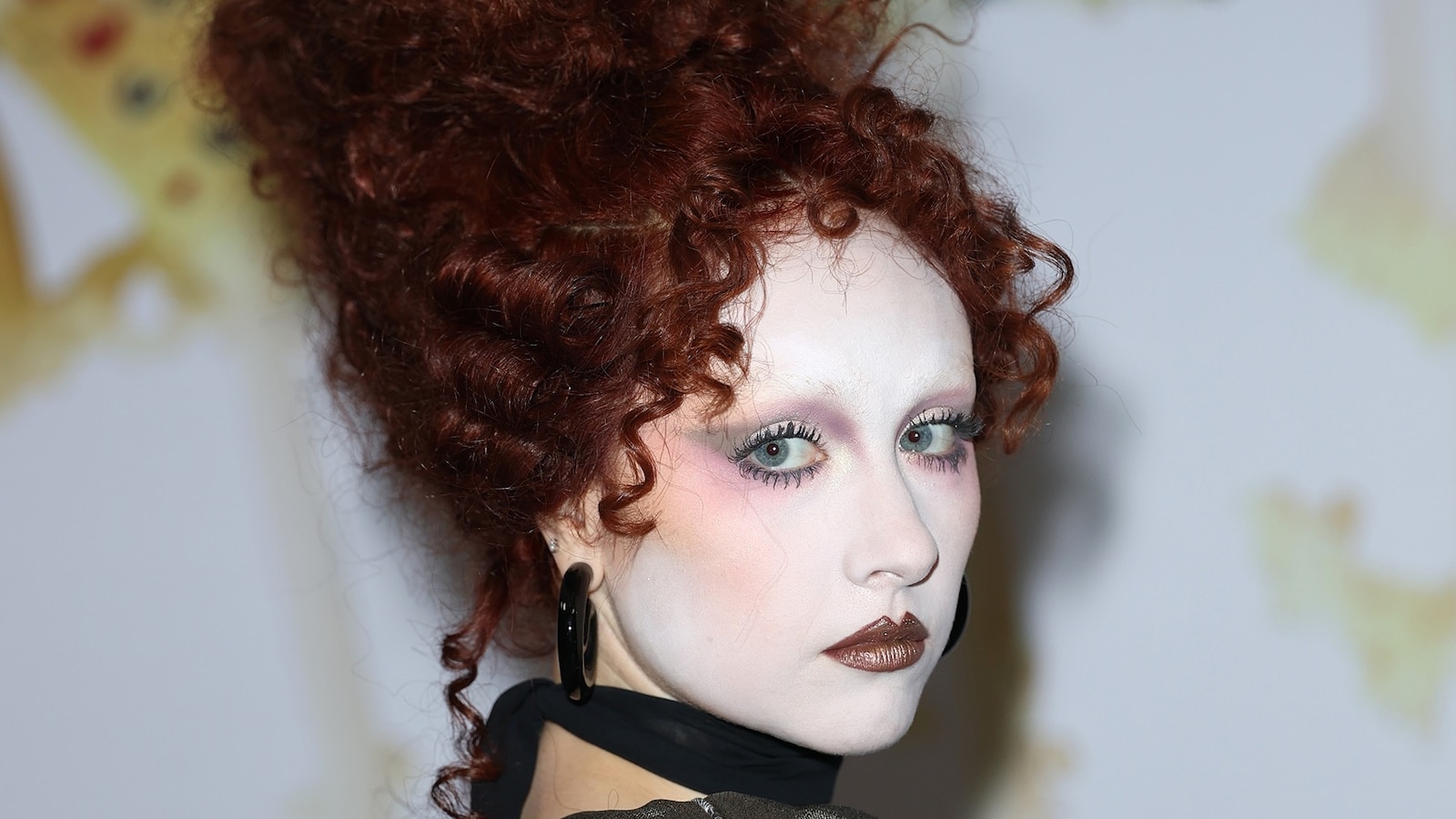
Responding to the growing controversy the following morning, Chappell Roan took to her own Instagram story to share her side of the events, offering a significantly different account of what transpired at the São Paulo hotel. The singer was clear and direct in her statement, explaining that she hadn’t even seen a woman and child during the time in question, and importantly, clarifying that the security guard involved was not part of her personal security team. This distinction is crucial because it suggests the guard may have been hotel security or part of a venue team acting independently rather than following her specific instructions. Roan emphasized multiple times that no one had come up to her, no one had bothered her, and she absolutely had not asked any security personnel to approach or speak to the mother and child. Her repetition of “I did not” underscored her desire to make absolutely clear that she bore no responsibility for initiating the confrontation. She went further to express her view that the security guard’s actions were unjustified, stating that it was unfair for security to assume someone doesn’t have good intentions when there’s no reason to believe otherwise, especially when no action has even been taken. This perspective highlighted a problem that many celebrities face: overzealous security personnel who may act preemptively based on assumptions rather than actual threats.
The Singer’s Heartfelt Apology
What distinguished Roan’s response from a typical celebrity denial was her genuine-sounding apology and expression of concern for how the incident affected Jorginho’s family, particularly the young girl involved. The singer made a point of addressing what she clearly felt were potential misunderstandings about her character and attitude toward her supporters. “I do not hate people who are fans of my music,” she stated plainly, before adding with emphasis, “I do not hate children, like that is crazy.” This latter statement suggests that she may have been responding to assumptions or accusations circulating online about her feelings toward young fans. Her apology seemed sincere and specific: “I’m sorry to the mother and child that someone was assuming something. … If you felt uncomfortable, that makes me really sad. You did not deserve that.” By acknowledging the family’s discomfort and validating their feelings, Roan demonstrated emotional intelligence and empathy, even while maintaining that she wasn’t directly responsible for the security guard’s actions. This approach—accepting that something wrong had happened while clarifying her own non-involvement—represented an attempt to balance accountability with honesty. Her response reflected the difficult position celebrities often find themselves in, where they may be held responsible for the actions of people associated with them, even when those actions occur without their knowledge or approval.
The Broader Context of Celebrity and Fan Interactions
This incident highlights the increasingly complicated relationship between celebrities and their fans in an era of heightened security concerns and changing boundaries around personal space. Chappell Roan has been particularly vocal in recent months about setting boundaries with fans, previously speaking out about uncomfortable interactions and the need for respect for her personal life outside of performances. However, this situation appears different from instances of actual intrusive behavior—it involves a child who, by all accounts, was simply existing in the same space as the singer and doing nothing more than looking and smiling. The incident raises important questions about where the line should be drawn between necessary security precautions and overreaction that can harm innocent people, especially children. Security personnel operate in a challenging environment where they must assess potential threats quickly, but this case suggests that assumptions and preemptive action without actual cause can create problems rather than prevent them. The fact that Roan was at the hotel for Lollapalooza Brazil, a major music festival held at the Autódromo de Interlagos in São Paulo from March 20-22, adds context about the likely heightened security atmosphere surrounding major artists during such events.
Lessons and Reflections Moving Forward
As of the latest reports, ABC News has reached out to representatives for both Roan and Jorginho but has not received immediate responses, leaving some questions about the incident unresolved. What’s clear from both accounts is that a young fan had an experience that transformed what should have been an exciting brush with celebrity into something frightening and upsetting. Jorginho’s hope that the incident would “serve as a moment of reflection” and his statement that “no one should have to go through this, especially not a child” resonates beyond this specific situation to the broader entertainment industry. The incident serves as a reminder that while celebrities absolutely deserve privacy, safety, and respect, the systems put in place to protect them must be calibrated carefully to avoid causing harm to innocent people, particularly children. Both Roan’s relatively quick public response and her apology suggest an awareness of this balance and a desire to make things right, even if the initial problem wasn’t of her making. Moving forward, this situation might prompt conversations about training for security personnel working with celebrities, ensuring they can distinguish between genuine concerns and harmless behavior, and establishing protocols that protect both artists and their fans. For young fans and their parents, the incident is also a reminder of the unpredictability of celebrity encounters and the emotional risks involved, even in seemingly safe, public settings. Ultimately, both the artist and the family involved appear to want the same thing: a world where people can coexist respectfully, where genuine fans are appreciated rather than viewed with suspicion, and where children especially are treated with kindness and understanding.