


Federal Reserve Faces Tough Choices as Iran War Threatens Economic Recovery
Rising Energy Costs Cast Shadow Over Interest Rate Plans
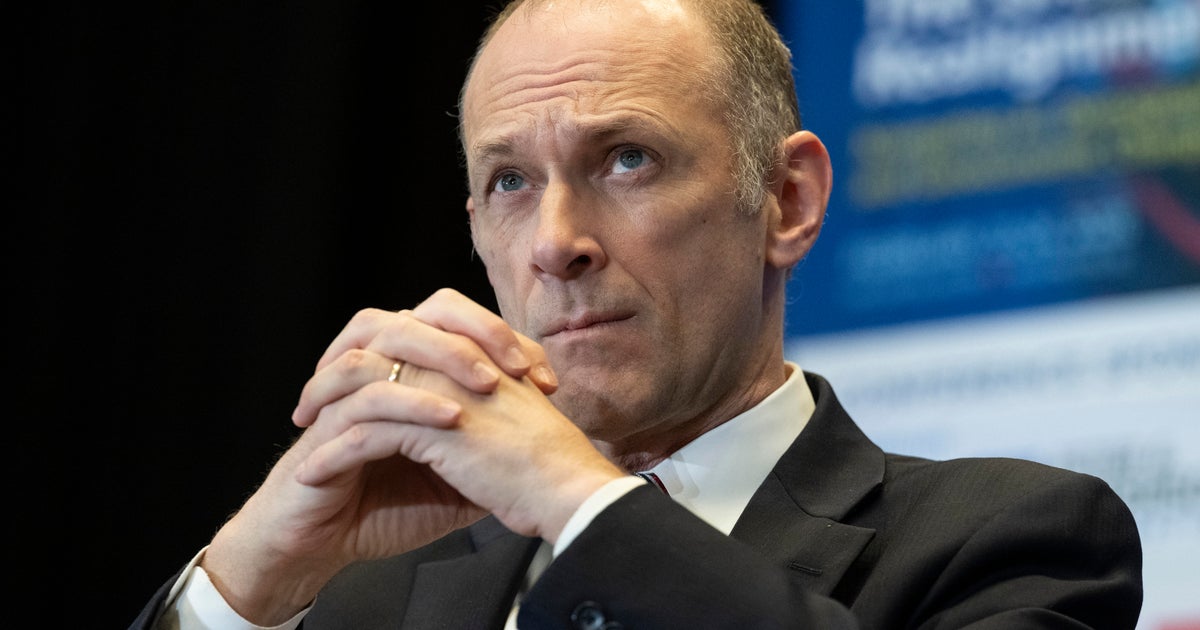
The ongoing conflict with Iran has thrown a significant wrench into the Federal Reserve’s carefully calibrated plans for managing interest rates in 2026. Austan Goolsbee, who leads the Federal Reserve Bank of Chicago, has voiced growing concerns that the war’s impact on energy prices could force the central bank to keep interest rates elevated much longer than initially anticipated. Speaking candidly to CBS News—while clarifying he was sharing his personal perspective rather than an official Fed position—Goolsbee painted a picture of mounting economic challenges that could fundamentally alter the Fed’s monetary policy trajectory. What had seemed like a straightforward path toward rate cuts has become considerably more complicated as oil and fuel prices surge in response to geopolitical tensions in the Middle East.
Before the war began, Goolsbee had been among the more optimistic voices at the Fed, believing that economic conditions would allow for multiple interest rate reductions throughout 2026. This optimism was based on expectations that inflation would continue its downward trend toward the Fed’s target of 2% annually, giving policymakers room to ease borrowing costs and support economic growth. However, the outbreak of hostilities has dramatically changed the calculus. The resulting “oil shock,” as Goolsbee describes it, has introduced a stubborn inflationary pressure that threatens to undo months of progress in bringing prices under control. If inflation fails to show meaningful improvement in the coming months, Goolsbee now believes any rate cuts might need to be pushed back to 2027 at the earliest—a full year later than many economists and businesses had been hoping for.
The Inflation Challenge Returns with a Vengeance
The numbers tell a sobering story about how quickly the economic landscape can shift. At gas stations across America, drivers are feeling the pinch acutely, with average gasoline prices hitting $4.09 per gallon by late March—more than a dollar higher than before the conflict began. This isn’t just an inconvenience; it’s a fundamental shock to household budgets that reverberates throughout the entire economy. The Federal Reserve’s decision in March to hold the federal funds rate steady reflects the uncertainty that now clouds economic forecasting. While policymakers still indicated they expected to implement one rate cut before year’s end, the continued climb in energy costs has made even that modest expectation seem increasingly doubtful.
Private sector economists have taken note and are rapidly revising their own forecasts downward. The CME FedWatch tool, which analyzes futures markets to predict Fed policy moves, now suggests that the central bank won’t cut rates even once during 2026—a stark contrast to the multiple cuts that seemed plausible just weeks ago. The upcoming Consumer Price Index report, scheduled for release on April 10, is expected to confirm these worries, with economists projecting that March prices rose at a 3.1% annual pace. That would represent a significant acceleration from February’s 2.4% rate and would mark a troubling reversal of the disinflationary progress that had given the Fed confidence to consider rate cuts in the first place. This inflationary reacceleration puts the Fed in an uncomfortable position: keep rates high to combat inflation, potentially slowing economic growth, or cut rates to support the economy while risking letting inflation become entrenched.
Consumer Spending Under Pressure
Perhaps the most worrying aspect of the current situation is what higher energy prices might do to consumer spending, which has been the primary engine driving America’s economic expansion. Goolsbee emphasized that pressure on household budgets could force Americans to pull back on discretionary purchases, threatening what he called “the backbone of our growth.” Even before the war began, many families were struggling with affordability concerns and the overall cost of living. The sharp increase in gas prices adds insult to injury, forcing difficult choices about where to allocate limited resources. When filling up the tank costs significantly more, families naturally have less money available for dining out, entertainment, clothing, and other non-essential purchases.
The psychology of “sticker shock” shouldn’t be underestimated, according to Goolsbee. When consumers see dramatically higher prices at the gas pump, it affects their entire outlook on the economy and their personal financial situation. This psychological impact can create a self-fulfilling prophecy where concerns about affordability lead people to cut back on spending, which in turn slows economic growth. While Goolsbee notes that these effects wouldn’t be immediate, he expects them to manifest in the “near term,” potentially creating a drag on consumer activity within the coming months. This presents a delicate balancing act for the Fed: higher interest rates are meant to cool demand and reduce inflation, but if consumers are already pulling back due to energy costs, keeping rates elevated could risk tipping the economy into a more serious slowdown or even recession.
Labor Market Caught in Limbo
The labor market provides another window into how economic uncertainty is affecting real-world business decisions. March employment figures showed 178,000 new jobs created, a stronger-than-expected performance that might seem like good news on the surface. However, revisions to February’s numbers painted a less rosy picture, with the initially reported loss of 92,000 jobs revised to an even larger decline of 133,000 positions. This mixed data reflects what Goolsbee describes as a “low hire, low fire” environment—companies aren’t aggressively expanding their workforces, but they’re also not conducting major layoffs. It’s a holding pattern that suggests businesses are waiting to see how various uncertainties resolve before making significant commitments.
Goolsbee’s conversations with business leaders across the Midwest reveal that this cautious approach stems from multiple sources of uncertainty converging simultaneously. The geopolitical situation and resulting oil price volatility is one major factor, but companies are also grappling with questions about tariff policies and what interest rate environment they’ll ultimately be operating in. This “sitting on their hands” posture makes sense from an individual business perspective—why hire aggressively when the economic outlook is so unclear?—but collectively it creates a more fragile employment situation. If economic conditions deteriorate, companies that have been hesitant to hire might quickly shift to cutting positions instead, potentially accelerating any downturn.
The Fed’s Difficult Balancing Act
Austan Goolsbee’s role in 2026 provides an interesting perspective on Fed decision-making. As one of five alternate members of the Federal Open Market Committee (FOMC)—the panel that sets interest rate policy—he participates in discussions and contributes to economic assessments without having a formal vote on policy decisions this year. He’s scheduled to rotate onto the committee as a voting member in 2027, meaning he’ll have direct influence on policy just as many of the consequences of 2026’s decisions become clear. This position allows him to speak somewhat more freely about his views while still being deeply embedded in the Fed’s analytical process.
The fundamental challenge facing Goolsbee and his colleagues is that they’re trying to navigate multiple objectives simultaneously, some of which point in different directions. The Fed’s dual mandate requires promoting maximum employment while maintaining stable prices. Right now, those goals are in tension: keeping rates high to combat inflation risks undermining employment and economic growth, while cutting rates to support the economy risks allowing inflation to reaccelerate. The Iran war has made this balancing act even more precarious by introducing a supply-side inflation shock that monetary policy can’t directly address. The Fed can’t drill for more oil or negotiate peace agreements; it can only adjust interest rates and try to manage the overall level of demand in the economy.
Looking Ahead with Uncertainty
As spring 2026 unfolds, the American economy finds itself at a crossroads shaped by forces beyond the Federal Reserve’s direct control. The war with Iran and its impact on global energy markets have introduced a wild card that makes economic forecasting exceptionally difficult. For ordinary Americans, this uncertainty translates into very real concerns about their daily lives—will gas prices keep rising? Will the broader cost of living continue climbing? Will their jobs remain secure if the economy slows? For policymakers like Goolsbee, the challenge is to respond thoughtfully to rapidly changing conditions while avoiding overreactions that could make matters worse. The optimism that characterized early 2026 discussions about multiple interest rate cuts has given way to a more cautious, wait-and-see approach. Whether inflation proves to be a temporary spike related to energy costs or the beginning of a more persistent problem will largely determine how the Fed proceeds in the months ahead. What’s clear is that the path forward is considerably more uncertain than it appeared just weeks ago, and both policymakers and the public will need to remain flexible as events continue to unfold.