


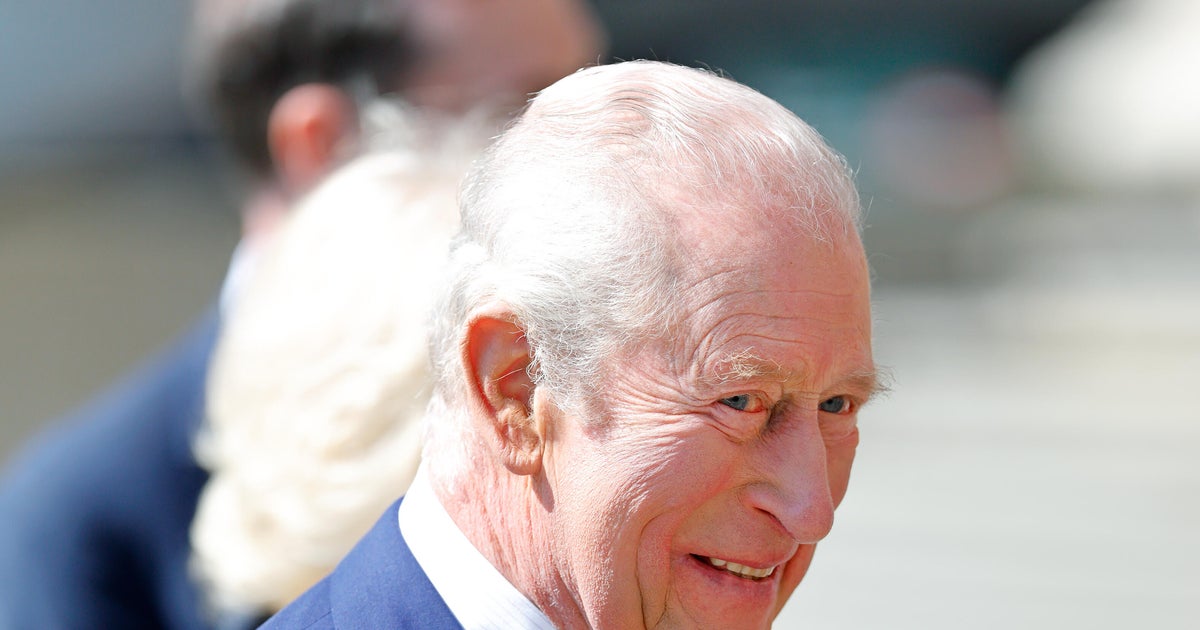

King Charles III Makes Historic Visit to America: Celebrating Ties While Navigating Troubled Waters
A Royal Return After Three Years
King Charles III is embarking on a significant diplomatic journey to the United States this week, marking his first visit to America since his coronation nearly three years ago. The trip, scheduled from Monday through Thursday, coincides with America’s momentous 250th anniversary celebration—a fitting occasion for the British monarch to reaffirm the historical bonds between two nations that have shared language, culture, and strategic interests for generations. Buckingham Palace has framed this visit as an opportunity to “celebrate the historic connections and the modern bilateral relationship between the United Kingdom and the United States,” emphasizing both the deep roots and contemporary relevance of Anglo-American friendship. The king will be accompanied by Queen Camilla on this carefully choreographed diplomatic mission, which will include stops in Washington, D.C., and New York City. The visit represents not just a ceremonial occasion but a critical moment for royal diplomacy at a time when international relationships face unprecedented challenges and uncertainties.
The “Special Relationship” Meets Modern Challenges
For generations, the United States and United Kingdom have maintained what Winston Churchill famously characterized as a “special relationship”—a unique alliance built on shared democratic values, common heritage, and mutual strategic interests that has weathered world wars, economic upheavals, and changing global dynamics. This partnership has traditionally been one of the closest bilateral relationships in international affairs, with both nations supporting each other through military conflicts, intelligence sharing, and economic cooperation. However, this visit comes at a particularly delicate moment when the traditionally strong bonds between the U.S. and European allies, including Britain, have shown signs of strain. The geopolitical landscape has shifted considerably, with new tensions emerging over trade policies, defense spending, and approaches to international conflicts. President Trump’s recent visit to the U.K. in September showcased the ceremonial warmth that can still characterize the relationship—complete with a carriage ride with King Charles, an inspection of troops, and a lavish state banquet that displayed British pageantry at its finest. Yet beneath these diplomatic pleasantries, recent friction has emerged that threatens to complicate the visit and the broader relationship between these longtime allies.
Recent Tensions and Diplomatic Friction
The current state of U.S.-British relations has been complicated by several recent controversies that have created diplomatic discomfort on both sides of the Atlantic. President Trump has publicly criticized British Prime Minister Keir Starmer regarding his handling and response to the conflict involving Iran, a critique that was poorly received in British political circles and by the British public. Such direct criticism of a sitting prime minister by an American president represents a departure from the typically diplomatic language used between these close allies, even when disagreements exist behind closed doors. Adding insult to injury, President Trump made disparaging comments about the United Kingdom’s two aircraft carriers—significant symbols of British military capability and national pride—dismissing them as mere “toys.” Such comments struck at the heart of Britain’s self-image as a serious military power and global player, causing considerable offense across the British political spectrum and among military leaders who view these carriers as crucial to Britain’s defense strategy and its ability to project power internationally. These remarks have created an atmosphere of tension that King Charles will need to navigate carefully during his visit, as he attempts to preserve and strengthen ties while avoiding any appearance of either endorsing or challenging American policy positions—a delicate balancing act for a constitutional monarch with no official policy-making authority.
The King’s Diplomatic Role and Constitutional Constraints
King Charles III occupies a unique position in British governance as a constitutional monarch who reigns but does not rule, meaning he has no formal power to determine British government policy or to speak on behalf of the government on substantive issues. Despite these constitutional limitations, the British monarchy brings what might be called a special kind of “soft power” or diplomatic firepower through centuries of tradition, pageantry, and the personal relationships that royals can cultivate with world leaders. The pomp and circumstance surrounding royal visits—the carefully choreographed ceremonies, the historical symbolism, the personal touches that only monarchy can provide—create opportunities for diplomatic connection that go beyond ordinary governmental exchanges. King Charles, with his decades of experience as Prince of Wales and his well-known interests in environmental issues, architecture, and interfaith dialogue, brings his own personal diplomatic style to this crucial visit. Observers expect that the king will do his utmost to navigate the choppy currents in the current U.S.-British relationship and attempt to quell troubled waters through personal diplomacy, symbolic gestures, and the weight of royal tradition. His approach will likely emphasize the deep historical connections, shared values, and mutual interests that have sustained the special relationship through previous periods of disagreement and strain, reminding both nations of what they have gained from their partnership over the centuries.
Potential Complications: The Prince Andrew Shadow
While King Charles hopes to focus attention on celebrating Anglo-American friendship and America’s 250th anniversary, his visit carries potential risks that could create embarrassing situations and unwanted distractions from the diplomatic mission. Chief among these concerns is the ongoing controversy surrounding his younger brother, Prince Andrew, formerly the Duke of York, and his well-documented friendship with convicted sex offender Jeffrey Epstein. Some U.S. lawmakers have been vocal in demanding that Andrew Mountbatten-Windsor—as he is now known after being stripped of his royal titles and patronages—testify before Congress about the nature and extent of his relationship with Epstein and what he may have witnessed regarding Epstein’s criminal activities. This demand places King Charles in an uncomfortable position, as any questions about his brother’s conduct could overshadow the positive diplomatic objectives of the visit and create awkward moments during what should be ceremonial occasions. The royal family has maintained that Prince Andrew has cooperated with appropriate authorities, but the calls for his Congressional testimony represent a potential diplomatic landmine that could explode at any moment during the king’s time in Washington. British officials and royal advisors have undoubtedly prepared strategies for deflecting or minimizing discussion of this sensitive topic, but they cannot control what American politicians or media might say, creating an element of uncertainty that hangs over what should otherwise be a celebration of enduring friendship between two great democracies.
The Royal Itinerary: Symbols and Substance
The visit’s schedule reflects the careful planning that goes into such high-level diplomatic engagements, balancing symbolic gestures with substantive opportunities for relationship-building. According to President Trump’s announcement, King Charles will address a joint meeting of Congress—a significant honor typically reserved for the most important international leaders and one that underscores America’s respect for the British monarchy and the broader U.S.-U.K. relationship. This address will give the king an opportunity to speak directly to American lawmakers and, through them, to the American people about the values and interests that unite the two nations, the challenges they face together, and the importance of maintaining their partnership in an increasingly complex world. The visit will also include a “beautiful banquet dinner” at the White House, where the traditions of American presidential hospitality will meet British royal protocol in what promises to be an evening of carefully choreographed elegance designed to showcase the warmth of the bilateral relationship. Beyond Washington’s formal proceedings, King Charles and Queen Camilla will also visit New York City, allowing them to engage with America’s commercial and cultural capital, a city with its own deep connections to British history and one that represents American dynamism and diversity. Together, these elements of the visit create a narrative of enduring partnership and mutual respect, even as both nations work through current disagreements and uncertainties. The success of this royal visit will ultimately be measured not just in the quality of the ceremonies or the warmth of the public reception, but in whether it helps to reinforce the foundations of the special relationship at a time when such relationships need strengthening and both countries face choices about their future paths on the world stage.