
Chicago Girl Scouts Fight to Keep Their Troop Alive Through Cookie Sales
A Safe Haven in Englewood Under Threat
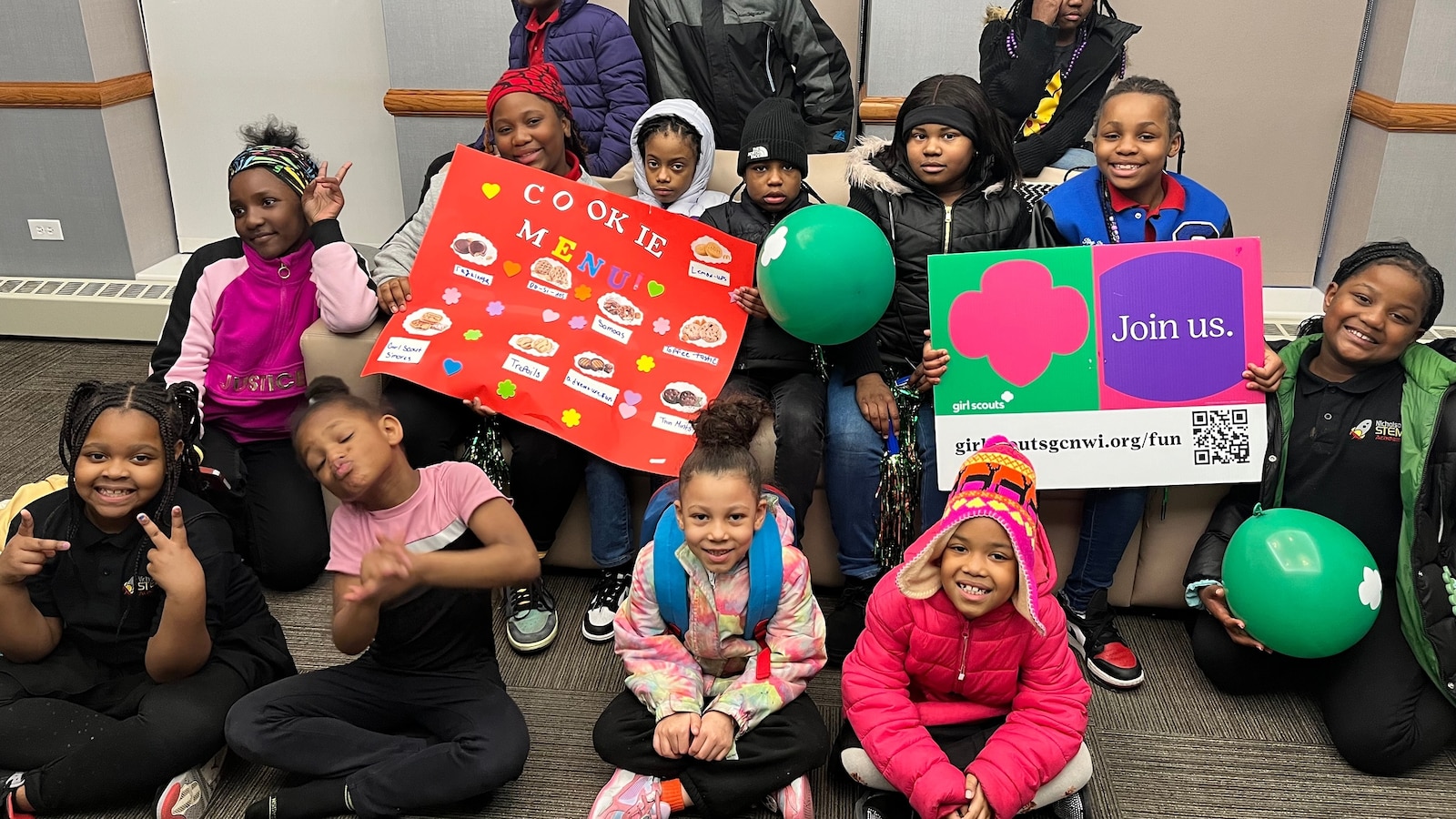
In the heart of Chicago’s Englewood neighborhood, a small but mighty Girl Scout troop is fighting for its survival. Troop 26286, composed primarily of elementary-school-aged girls living in and around a veterans housing community, has become far more than just a weekly meeting or an after-school activity. For these young girls growing up in one of Chicago’s most challenging neighborhoods, this troop represents a lifeline—a safe space where they can dream, learn, and imagine futures beyond the difficult circumstances that surround them. Founded just five years ago by Volunteers of America Illinois, the troop was intentionally created to provide these girls with positive role models and opportunities they might not otherwise encounter. But now, this precious resource is at risk of disappearing unless the community rallies to support their cookie-selling efforts.
The situation facing Troop 26286 highlights a heartbreaking reality that many urban youth programs face: the constant struggle between providing vital services and maintaining the financial sustainability to keep those services running. According to Volunteers of America Illinois, the organization that operates the veterans housing community where most of the troop members live, the girls need to sell enough cookies this season just to cover basic membership fees. Without meeting their sales goals, these young scouts may lose access to a program that has become a cornerstone of stability and hope in their lives. The immediate pressure to generate revenue through cookie sales has transformed what is typically a fun annual tradition into a critical fundraising campaign with real consequences for the girls’ futures.
An Ambitious Goal with High Stakes
The numbers tell a sobering story. Troop 26286 has set an ambitious target of selling 2,100 boxes of cookies by March 11th. This isn’t about padding a budget for luxury field trips or fancy equipment—this is about survival. The funds raised from these cookie sales will serve multiple essential purposes: first and foremost, covering the membership fees that allow each girl to remain an active Girl Scout; secondly, keeping the troop operational for another full year; and finally, supporting additional learning opportunities that enrich the girls’ experiences and development. For many youth programs in affluent areas, such fundraising goals might seem modest or easily achievable, but for a troop based in a high-need neighborhood where families are already stretched thin financially, selling over two thousand boxes represents a significant challenge that requires support from beyond their immediate community.
What makes this situation particularly poignant is understanding what these girls stand to lose if they fall short of their goal. Girl Scouts isn’t just about selling cookies and earning badges—it’s about building confidence, developing leadership skills, forming lasting friendships, and learning that they are capable of achieving great things. For girls growing up in neighborhoods marked by poverty, violence, and limited opportunities, these lessons can be transformative. The program gives them a chance to see themselves as leaders, entrepreneurs, and changemakers rather than victims of their circumstances. Bridget Hickey, chief of staff and vice president of resource development at Volunteers of America Illinois, understands this deeply. As she explained, the troop was incorporated into their regular service offerings in 2020 specifically because their services team recognized a critical need for this type of positive programming for young girls in the community.
A Community Rallies for Its Young Leaders
When news of the troop’s precarious situation began to spread beyond Englewood, something beautiful happened—the wider community stepped up in a remarkable way. In a single day, after word got out about their struggle, the girls sold more than 500 boxes of cookies. This outpouring of support demonstrates what’s possible when people recognize the importance of investing in young people, particularly those facing significant challenges. Those 500 boxes represented more than just sales figures; they were tangible expressions of belief in these girls and their potential. Each purchase was a vote of confidence, a message that said, “We see you, we value you, and we want you to succeed.” For the young scouts themselves, this response likely provided an invaluable lesson about community, perseverance, and the power of people coming together to support a worthy cause.
The girls of Troop 26286 live primarily at Hope Manor II and Hope Manor Village, veterans housing communities operated by Volunteers of America Illinois. These communities are described by Hickey as tight-knit, with residents who look out for each other and take pride in their young Girl Scouts. This sense of community is itself a precious resource in a world that often feels fragmented and isolating, particularly in economically disadvantaged neighborhoods. The families in these communities understand firsthand the value of what the Girl Scout troop provides for their daughters, granddaughters, nieces, and young neighbors. They’ve witnessed how participation in the troop has impacted these girls—building their confidence, giving them goals to work toward, and connecting them with adult mentors who genuinely care about their wellbeing and development.
More Than Cookies: Building Life Skills and Lifelong Relationships
According to Hickey, the true value of Troop 26286 extends far beyond any single year’s activities or achievements. “The girls are able to learn life skills and build lifelong relationships with their fellow troop members and leaders,” she noted in her statement. These life skills—everything from financial literacy and goal-setting to public speaking and teamwork—are precisely the tools that can help break cycles of poverty and create pathways to success. The relationships the girls form with their troop leaders provide them with positive adult role models who can guide, encourage, and advocate for them as they navigate the challenges of growing up in a difficult environment. For some of these girls, their troop leaders may be among the few adults in their lives who aren’t overwhelmed by their own struggles and who have the time, energy, and commitment to invest in their development.
The Girl Scout program’s emphasis on leadership and entrepreneurship is particularly valuable for girls who might not otherwise see themselves as capable of business ownership or community leadership. Through the annual cookie sales campaign, these young girls learn about inventory management, customer service, marketing, financial goals, and the connection between effort and reward. They practice approaching strangers, making their pitch, handling rejection, and celebrating success—all skills that will serve them well regardless of what paths they ultimately choose in life. Beyond the business skills, they learn about working together toward a common goal, supporting each other through challenges, and the satisfaction that comes from persevering even when things are difficult. These lessons are being reinforced right now, as the troop faces its biggest challenge yet: selling enough cookies to ensure their own survival.
A Call to Action and a Broader Conversation
The story of Troop 26286 raises important questions about equity and access when it comes to youth programming. Should these girls have to worry about whether they can afford to be Girl Scouts? Should their ability to participate in character-building activities depend on their neighborhood’s capacity to purchase cookies? While the Girl Scout cookie program is designed to be a learning opportunity and fundraiser, the reality for troops in high-need areas is often quite different from the experience of troops in wealthier communities. This disparity reflects broader societal inequalities and reminds us that creating genuine opportunities for all young people requires intentional investment, particularly in communities that have been historically underserved and under-resourced.
At the same time, the response to Troop 26286’s situation demonstrates the power of storytelling and community engagement. When people understand what’s at stake and are given a clear way to help, many will step up. Supporting this cookie sale becomes more than a transaction—it’s an investment in these girls’ futures, a statement that they matter, and a recognition that every child deserves access to programs that help them develop their full potential. As the March 11th deadline approaches, the girls of Troop 26286 continue their efforts, armed with determination, cookies, and the knowledge that their community believes in them. Whether they reach their goal of 2,100 boxes or not, these young scouts are already learning invaluable lessons about advocacy, resilience, and the importance of fighting for what matters. Their story serves as both an inspiration and a reminder that supporting youth in our most challenged communities isn’t just charitable—it’s an investment in all our futures.