
Remembering Chuck Norris: A Legendary Action Star’s Final Chapter
The Passing of an Icon
The world of action cinema and martial arts has lost one of its most iconic figures with the passing of Chuck Norris at age 86. The legendary actor, martial artist, and star of the beloved television series “Walker, Texas Ranger” died peacefully surrounded by his family, according to a statement released on his Instagram page Friday. His family shared the heartbreaking news with heavy hearts, noting that while they wished to keep the specific circumstances private, they wanted the world to know that their beloved Chuck was at peace in his final moments. The family’s statement painted a picture of a man who was far more than just an action hero on screen—he was described as a devoted husband, a loving father and grandfather, an incredible brother, and truly the heart of his family. The timing of his death was particularly poignant, coming just days after he celebrated his 86th birthday on March 10, where he shared a characteristically spirited video of himself boxing, declaring with his trademark confidence, “I don’t age. I level up.” Though the family revealed that Norris had been hospitalized recently, they chose not to share further details about his condition, asking for privacy during their time of grief while expressing profound gratitude for the outpouring of love and support from fans worldwide.
From Air Force to Action Star: The Making of a Legend
Born Carlos Ray Norris in Oklahoma, Chuck’s journey to becoming a household name was anything but conventional. After spending much of his childhood in California, young Chuck joined the U.S. Air Force, where his life would take a transformative turn during his service in South Korea. It was there that he discovered karate, initially viewing martial arts as a skill that would help him pursue his dream of becoming a police officer after completing his military service. In a 1985 interview with The New York Times, Norris reflected on these formative years and how they shaped his future. However, fate had different plans for the young veteran. Upon returning to Southern California after his military service, instead of joining law enforcement, Norris chose to open a chain of karate schools, sharing his passion and expertise with others. This decision would prove to be the gateway to his eventual stardom, as teaching martial arts introduced him to Hollywood’s elite and opened doors he never imagined possible. It was the discipline, dedication, and physical prowess he developed during these years that would become the foundation of his legendary action hero persona.
A Fateful Meeting and Hollywood Breakthrough
Chuck Norris’s transition from martial arts instructor to action film star reads like a Hollywood script itself. The pivotal moment came when he began teaching karate to the late Steve McQueen and his son—a connection that would fundamentally change the trajectory of his life. McQueen, already an established Hollywood icon, saw something special in Norris and offered him advice that would shape his entire acting career. “He told me that I should think about projecting a presence, and never do a part that had a lot of dialogue,” Norris recalled in his interview with The New York Times. “He told me, ‘Movies are visual, and when you try to verbalize something, you’re going to lose the audience.’ He said to let the character actors lay out the plot, and that when there were important things to say, you say it, and people will remember.” Taking McQueen’s wisdom to heart, Norris launched an acting career that would span several decades and establish him as one of the most recognizable action stars in cinema history. His filmography became a who’s who of blockbuster action movies, including memorable performances in “The Way of the Dragon” alongside martial arts legend Bruce Lee, as well as starring roles in “Lone Wolf McQuade,” “Missing in Action,” “The Delta Force,” and “Invasion U.S.A.” Each film showcased not just his martial arts mastery but also that enigmatic presence McQueen had recognized years earlier.
Television Stardom and Cultural Impact
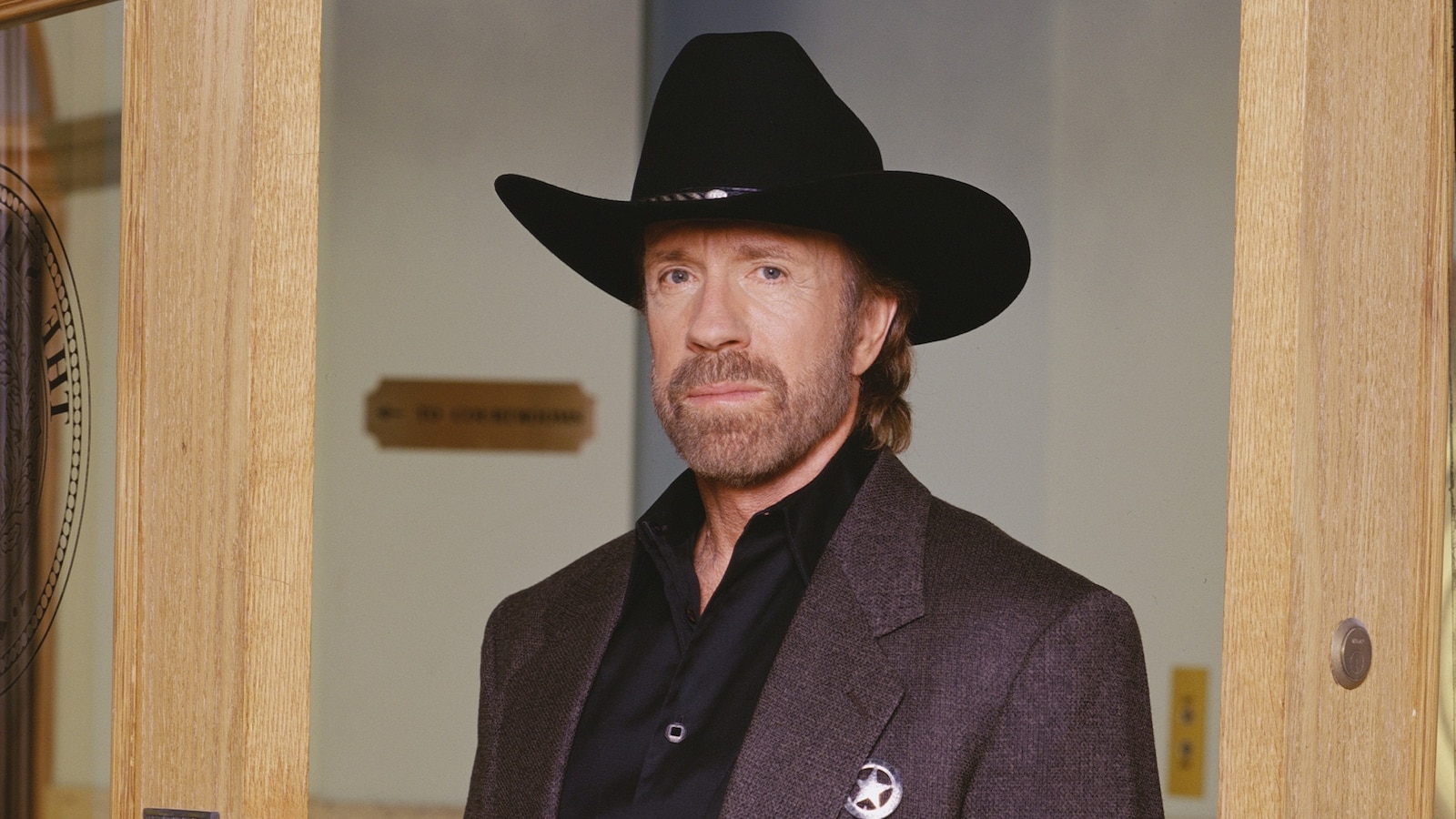
While Chuck Norris had already established himself as a major film star, the 1990s brought him to an entirely new level of fame through television. “Walker, Texas Ranger” transformed Norris from action movie star to a fixture in American households every week. The series, which Norris both starred in and executive produced, featured him as Sgt. Cordell Walker, a Vietnam War veteran and Texas Ranger who relied on his martial arts expertise and unwavering moral code to bring criminals to justice. The show’s formula—combining traditional Western themes with martial arts action and contemporary crime-fighting—resonated deeply with audiences. The series enjoyed an impressive nine-season run, spawning both a TV movie and, decades later, a reboot in 2021, testament to the enduring appeal of the character and Norris’s portrayal. Even after “Walker, Texas Ranger” concluded, Norris continued to make his mark on popular culture through memorable cameo appearances, including his scene-stealing role in the sports comedy “Dodgeball: A True Underdog Story” and his appearance in the second installment of “The Expendables” franchise. Beyond acting, Norris proved himself a versatile talent, becoming a published author whose works included his 2004 autobiography “Against All Odds: My Story,” which gave fans insight into the man behind the action hero persona.
Internet Fame and the Chuck Norris Phenomenon
In one of the most unexpected twists of his long career, Chuck Norris became an internet sensation in his later years through the viral “Chuck Norris Facts” meme phenomenon. These humorous statements, which portrayed Norris as virtually invincible and superhuman, swept across the internet and introduced him to an entirely new generation who may not have grown up watching his films or television series. Lines like “Chuck Norris doesn’t sleep. He waits” became part of internet culture, celebrating his tough-guy image in increasingly absurd and comedic ways. Rather than viewing this as mockery, Norris embraced the phenomenon with good humor and grace. In a 2008 appearance on “Extra,” he revealed his personal favorite Chuck Norris Fact: “My favorite is that they wanted to put Chuck Norris on Mount Rushmore, but the granite wasn’t tough enough for his beard.” This ability to laugh at himself and connect with fans through humor demonstrated a warmth and accessibility that endeared him even more to his admirers. Capitalizing on this renewed fame, Norris built a substantial social media presence, amassing nearly 3 million followers on Instagram alone. He remained active on the platform until his death, regularly sharing everything from workout videos that showcased his impressive physical condition even in his eighties, to life advice and personal reflections that gave fans a window into his philosophy and values.
Legacy of Love and Lasting Impact
Beyond the action sequences, the martial arts demonstrations, and the tough-guy image that defined his public persona, Chuck Norris’s family emphasized what mattered most—his role as a devoted family man. He is survived by his wife of nearly 30 years, Gena, with whom he shared twin children, Dakota and Danilee. He also leaves behind three other adult children from previous relationships: two sons, Eric and Mike, and a daughter, Dina. The family’s statement emphasized that while their hearts are broken by his passing, they remain deeply grateful for the life he lived and the unforgettable moments they shared with him. They noted that the love and support Norris received from fans around the world meant everything to him, and they expressed profound thankfulness for that connection. Particularly touching was their observation that to Chuck, his fans were not merely admirers from afar—they were his friends. Throughout his life, Norris also engaged in the political arena, endorsing and campaigning for various conservative candidates, demonstrating his commitment to causes he believed in. As the world mourns the loss of this legendary action star, martial artist, and cultural icon, Chuck Norris’s legacy extends far beyond his impressive filmography or his martial arts achievements. He leaves behind a blueprint for resilience, dedication, and reinvention—showing that with determination and authenticity, one can continue to evolve, inspire, and connect with others across generations, right up until the final curtain call.