



U.S. Inflation Surges to Nearly Two-Year High Amid Iran War Energy Crisis
A Perfect Storm of Geopolitical Conflict and Rising Costs
Americans are feeling the pinch at the pump and beyond as inflation has surged to levels not seen since spring 2024. The culprit behind this unwelcome return to elevated price increases is a global energy crisis triggered by an ongoing military conflict with Iran. In March, the Consumer Price Index—which tracks the cost of everyday goods and services that regular families purchase—jumped to a 3.3% annual increase, representing a dramatic climb from February’s 2.4% rate. This spike didn’t catch economists completely off guard; in fact, forecasters had predicted this nearly full percentage point leap would occur. However, knowing it’s coming doesn’t make it any easier for American households trying to balance their budgets in an already challenging economic environment.
The root cause of this inflationary surge traces directly back to geopolitical tensions that erupted when war with Iran began on February 28th. This conflict has created major disruptions in global oil markets, particularly affecting the Strait of Hormuz—a narrow waterway that serves as one of the world’s most critical passages for crude oil transportation. When oil can’t flow freely through this strategic chokepoint, the ripple effects are felt worldwide, but especially at American gas stations. The numbers tell a stark story: Brent crude oil, which was trading at a relatively manageable $73 per barrel before hostilities began, had soared to nearly $96 per barrel by the end of the week. This dramatic increase in the cost of crude oil translates directly into higher prices for consumers filling up their tanks to get to work, take kids to school, or simply live their daily lives.
Record-Breaking Price Increases at the Pump
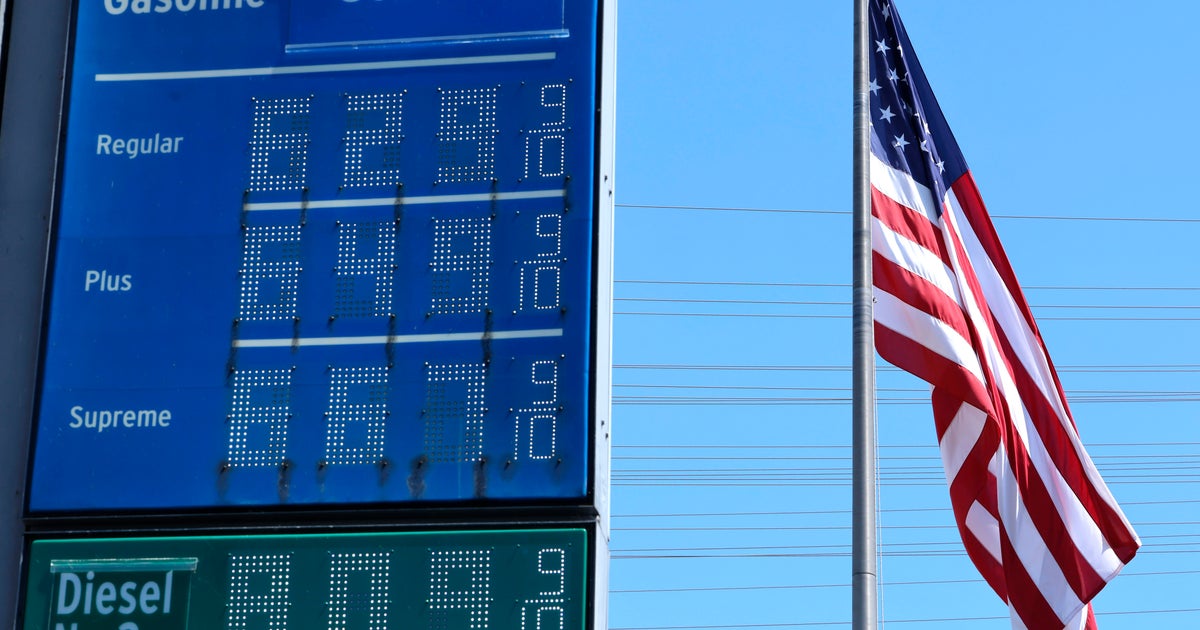
The impact of the Iran conflict on everyday Americans has been most dramatically visible at gas stations across the country. Gasoline prices experienced a staggering 21.2% increase from February to March—a monthly jump that represents the largest single-month spike since the Bureau of Labor Statistics began tracking this data way back in 1967. Think about what that means for a moment: in more than half a century of tracking gas prices through oil embargoes, economic crises, hurricanes, and various other disruptions, March 2025 saw the most dramatic one-month price increase on record. For consumers, this translated into gasoline prices that have climbed nearly 40% since the conflict with Iran erupted, reaching $4.15 per gallon by Friday. For a family that needs to fill up a 15-gallon tank weekly, that’s an additional $40 or more coming out of the household budget each month—money that might have previously gone toward groceries, savings, or paying down debt.
The good news, if there is any to be found in this situation, came midweek when a two-week ceasefire between the United States and Iran was announced on Tuesday. This temporary pause in hostilities offers a glimmer of hope that gas prices might begin to ease, giving American families some much-needed relief. However, energy experts caution against expecting immediate results. Even if the ceasefire holds and tensions continue to de-escalate, it will likely take several weeks before prices drop back below the psychologically important $4 per gallon threshold. The energy market doesn’t respond instantly to geopolitical developments; there’s a lag time as supply chains readjust, crude oil inventories stabilize, and refined gasoline works its way through the distribution system to local stations.
Silver Linings in Core Inflation and Underlying Economic Strength
While the overall inflation picture looks concerning, there are some moderately encouraging signals when you dig deeper into the numbers. Core inflation—a measure that economists watch closely because it strips out the notoriously volatile categories of energy and food prices—rose just 0.2% on a monthly basis and 2.6% compared to a year earlier. These figures actually came in lower than many economists had predicted, suggesting that the underlying inflationary pressures in the economy aren’t as severe as the headline number might suggest. Chris Zaccarelli, who serves as chief investment officer for Northlight Asset Management, offered a measured perspective on these figures, noting in an email that this core inflation reading should “give the economy some room to absorb the higher energy price shock.” In other words, while energy costs have spiked dramatically due to circumstances largely beyond domestic control, the broader economy isn’t overheating in a way that would compound the problem.
This inflation report came on the heels of another important economic indicator released just a day earlier—the Personal Consumption Expenditures price index, which the Federal Reserve actually prefers as its primary inflation gauge. That February reading showed costs rising at a 2.8% annual rate, unchanged from January but still stubbornly above the Federal Reserve’s target of 2% annual inflation. What’s particularly noteworthy about the PCE data is that it reflected price pressures that existed even before the Iran war began, suggesting that the U.S. economy was already dealing with some underlying inflationary tendencies. The war and resulting energy shock have essentially poured gasoline—both literally and figuratively—on an inflation fire that was already smoldering.
The Ripple Effects: When Energy Costs Affect Everything Else
The challenge with energy price spikes is that they rarely stay contained to just the gas pump. Energy is woven into the fabric of our entire economy, and when those costs rise, they create ripples that touch virtually every product and service Americans consume. Economists speaking with CBS News emphasized that higher energy costs will likely continue pushing up prices across multiple categories throughout this year. Food prices are particularly vulnerable because farming equipment runs on diesel, produce needs to be trucked to markets, and grocery stores have higher operating costs when energy is expensive. Travel costs are climbing as airlines face higher jet fuel expenses. Even the price of clothing could increase because apparel manufactured overseas must be shipped to American stores, and those container ships don’t run on good intentions—they burn fuel.
Heather Long, chief economist at Navy Federal Credit Union, painted a sobering picture of what’s ahead: “This is only the beginning. Food prices, travel and shipping costs are all going up in April and will exacerbate the pain.” We’re already seeing this prediction play out in the airline industry, where carriers are implementing a dual strategy to offset their higher fuel costs: raising base airfares and, in some cases, bringing back or increasing fees for checked baggage. The March CPI data already captured some of this trend, showing that airline fares rose 14.9% on an annual basis. For families planning summer vacations or people who need to travel for work, these increases represent yet another squeeze on household budgets. The diesel price surge that Long mentioned is particularly concerning because diesel fuel powers the trucks that transport the vast majority of goods across America. When trucking becomes more expensive, those costs inevitably get passed along to consumers in the form of higher prices for everything from electronics to groceries.
Looking Ahead: Uncertainty and the Path Forward
The big question facing economists, policymakers, and everyday Americans is where inflation goes from here. Investors in the stock market have generally operated under the assumption that geopolitical tensions like the Iran conflict will eventually fade and markets will return to normal. However, not everyone shares this optimistic outlook. Ed Yardeni of Yardeni Research issued a warning before the CPI release that inflation was already heating up just before the war began and could continue rising through the end of this year. This perspective suggests that even if the ceasefire holds and the immediate crisis passes, Americans might be dealing with elevated inflation for months to come.
Bernard Yaros, the lead U.S. economist at Oxford Economics, offered a particularly sobering assessment following the inflation report’s release. He predicted that April’s CPI reading will be “uncomfortably strong” due to a combination of factors: the continued impact of higher gas prices, and interestingly, a statistical quirk resulting from the recent government shutdown that disrupted normal data collection processes. Yaros identified what he called “a key wildcard” in both the inflation outlook and Federal Reserve monetary policy: “the duration and intensity of the Iran war, which still hasn’t been resolved by the tenuous ceasefire.” That word “tenuous” is important—it suggests that the current pause in hostilities is fragile and could collapse, potentially sending energy prices even higher. For American families trying to plan budgets, save for the future, or simply make ends meet, this uncertainty makes an already difficult situation even more challenging. The Federal Reserve, which had been considering potential interest rate cuts this year to support economic growth, now faces a much more complicated decision about whether fighting inflation should take priority over supporting the broader economy.