
The Passing of a Dedicated Public Servant: Remembering U.S. Rep. David Scott
A Legacy of Service Comes to an Unexpected End
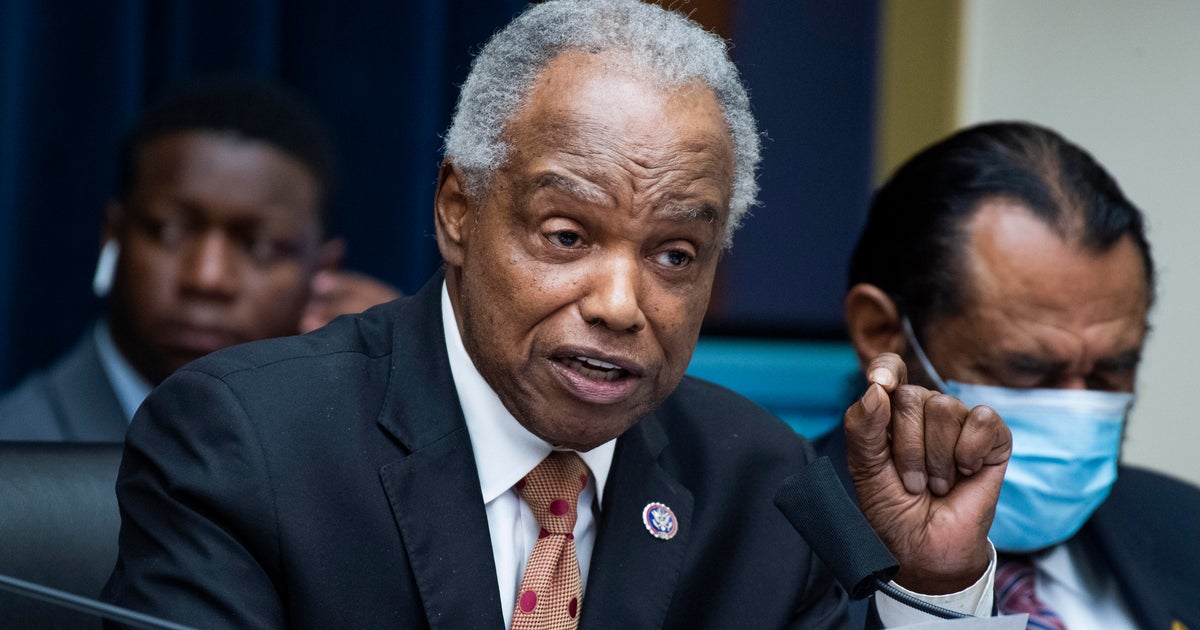
The political landscape of Georgia and the nation mourns the loss of U.S. Representative David Scott, who dedicated more than five decades of his life to public service. At 80 years old, the longtime congressman who represented Georgia’s 13th District for over twenty years passed away unexpectedly, his office confirmed on Wednesday. The news sent shockwaves through the political community, particularly as Scott was actively running for his 13th term in the upcoming May 19th primary elections. His staff, while confirming the tragic news, indicated that additional details surrounding his passing would be shared in the coming days as the family and his office navigate this difficult time. The statement released by his office painted a picture of a man who was much more than his public persona—he was a devoted father, grandfather, husband, and friend whose impact extended far beyond the halls of Congress. The outpouring of support, prayers, and love from constituents, colleagues, and citizens across the nation speaks volumes about the mark he left on the hearts of those who knew him and those whose lives he touched through his tireless work.
From Humble Beginnings to Political Leadership
David Scott’s journey to becoming one of Georgia’s most respected congressional representatives began in the rural landscapes of South Carolina, where he was born. His early years were marked by movement and change as his family relocated multiple times, living in Pennsylvania, Florida, and New York before eventually settling in Atlanta. This diverse geographic exposure during his formative years likely contributed to his ability to connect with people from all walks of life and understand the varied challenges facing different communities. Once established in Atlanta, Scott demonstrated his entrepreneurial spirit by opening an advertising business, showing early on that he possessed the drive and ambition that would later define his political career. His entry into politics came through grassroots involvement when he worked as a staffer on Andrew Young’s 1972 congressional campaign. This experience provided him with invaluable insights into the political process and ignited a passion for public service that would shape the rest of his life. Just two years later, in 1974, Scott successfully ran for the Georgia House of Representatives, marking the beginning of a remarkable political career that would span half a century. His ascent continued when he was elected to the state Senate in 1982, where he further honed his legislative skills and deepened his commitment to serving the people of Georgia.
Congressional Career and Historic Achievements
Representative Scott’s journey to the U.S. House of Representatives came in 2003 when he was elected to represent the newly created District 13, which encompasses parts of DeKalb and Gwinnett counties. Throughout his more than two decades in Congress, Scott distinguished himself as a dedicated legislator who never forgot the people he served. His involvement in numerous influential caucuses demonstrated his commitment to diverse issues and coalition-building. He was an active member of the Congressional Black Caucus, working alongside other African-American lawmakers to address issues of particular importance to Black communities across the nation. His membership in the New Democrat Coalition and the Congressional Equality Caucus further showcased his progressive values and commitment to equality and justice for all Americans. However, perhaps his most significant achievement came when he was appointed chair of the House Agriculture Committee during the first two years of former President Joe Biden’s term. This appointment was historic—Scott became the first African-American lawmaker ever to chair this important committee, breaking a significant barrier and bringing diverse perspectives to agricultural policy discussions. His leadership on this committee was particularly meaningful given his district’s composition and his longstanding advocacy for farmers and rural communities. When Republicans gained control of the House in 2023, Scott transitioned to serving as the ranking member of the committee, continuing to influence agricultural policy and advocate for the communities he served.
Facing Challenges While Maintaining Popular Support
In recent years, questions about Representative Scott’s age and health had become subjects of public discussion and media scrutiny. Reports of health issues had circulated, leading some to speculate about whether he would continue his congressional service or consider retirement. Despite these concerns and the pressure that sometimes accompanied them, Scott remained resolute in his commitment to serve his constituents. His determination to continue representing his district was reflected in his decision to run for yet another term, dismissing any suggestions that he should step aside. The support he received from voters validated his choice—Scott had consistently remained popular within his district, often running unopposed or defeating his primary and Republican challengers by comfortable margins. This strong electoral support suggested that his constituents valued his experience, dedication, and the relationships he had built over decades of service. While his campaign activity in the months leading up to the May primary had been less visible than in previous election cycles, his name on the ballot represented continuity and experienced leadership that voters trusted. The fact that he maintained this level of support despite questions about his health speaks to the deep connection he had forged with the people of Georgia’s 13th District and their confidence in his ability to represent their interests effectively.
Political Implications and Tributes from Across the Aisle
The death of Representative Scott has immediate implications for the balance of power in the U.S. House of Representatives. With his passing, the Republican Party’s already slim majority in the chamber has slightly increased. The current composition now stands at 217 Republicans, 212 Democrats, and one Independent, with five seats remaining vacant. This shift, while numerically small, can be significant in a closely divided legislative body where every vote counts on critical legislation. However, beyond the political calculations, Scott’s death prompted an outpouring of heartfelt tributes from political leaders across the ideological spectrum, demonstrating the respect he commanded from colleagues on both sides of the aisle. Atlanta Mayor Andre Dickens eloquently captured Scott’s impact, calling him a “tireless advocate for the people he served” and highlighting his decades of fighting for Georgia farmers, advocating for veterans, and supporting constituents through job and health fairs that served tens of thousands of Georgians over the years. Republican Speaker of the House Mike Johnson, despite party differences, expressed deep sadness at the news and asked members to lift Scott’s family—his wife Alfredia, his two daughters, and his grandchildren—in prayer during this difficult time. Georgia U.S. Senator Jon Ossoff stated simply but powerfully that “The State of Georgia is a better place thanks to the service of Congressman Scott,” while Democratic Party of Georgia Chair Charlie Bailey praised Scott as “one of our state’s most steadfast advocates for working people and families,” noting his work to bolster farmers and rural communities and make healthcare accessible to children across Georgia.
A Lasting Impact on Georgia and the Nation
As Georgia, the congressional community, and the nation process the loss of Representative David Scott, attention naturally turns to the enduring legacy he leaves behind. His more than fifty years of public service created ripples that will continue to affect communities, policies, and individuals for years to come. From his early days in the Georgia House of Representatives through his historic chairmanship of the House Agriculture Committee, Scott demonstrated that effective leadership combines vision with compassion, policy expertise with genuine care for constituents, and political skill with unwavering integrity. His staff’s statement that he would “be remembered not only for his leadership but for his kindness, compassion, and enduring impact on those around him” captures the essence of what made him special—he never lost sight of the human element in politics. In an era often characterized by partisan division and political rancor, Scott’s ability to work across party lines while maintaining his principles offers a model worth emulating. His historic firsts, including becoming the first African-American chair of the House Agriculture Committee, opened doors for future generations of diverse leaders and proved that representation matters at all levels of government. As his family, staff, and constituents await more details about his passing and prepare to celebrate his life, the gratitude expressed for the “outpouring of prayers, love, and support” reflects the deep connections he forged throughout his remarkable journey from rural South Carolina to the halls of Congress, leaving an indelible mark on American political life.