


Understanding the Cryptocurrency Market’s Fear and Greed Index: What Extreme Fear Means for Investors
The Current State of Market Sentiment
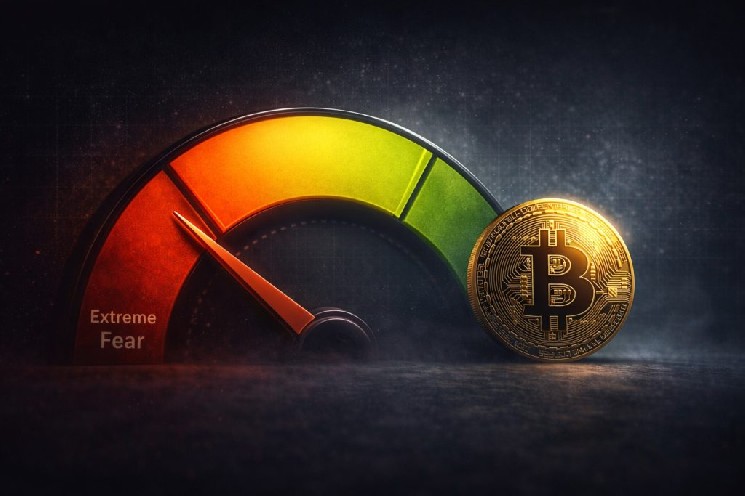
The cryptocurrency market has always been known for its volatility and emotional rollercoaster rides, and right now, we’re witnessing one of those particularly nerve-wracking moments. The Fear and Greed Index, which serves as a thermometer for measuring how investors are feeling about the crypto space, is currently sitting at an alarming level of 8 out of 100. To put this in perspective, this means we’re deep in “extreme fear” territory. Yesterday, it was at 9, so things have actually gotten slightly worse. When you see numbers this low, it’s a clear sign that people involved in cryptocurrency trading and investing are feeling seriously anxious about what’s happening in the market right now.
This index isn’t just some arbitrary number that someone pulls out of thin air. It’s a carefully calculated measurement that takes into account real data from multiple sources to give us an accurate picture of the overall mood in the cryptocurrency community. Think of it as a collective emotional snapshot of everyone from casual Bitcoin holders to major institutional investors. When the index drops to such extreme levels, it tells us that fear has essentially taken over rational thinking for many market participants, and people are making decisions based primarily on worry and uncertainty rather than careful analysis and strategy.
How the Fear and Greed Index Actually Works
Understanding how this index is calculated helps us appreciate why it’s considered such a valuable tool for anyone involved in cryptocurrency markets. The creators of this index didn’t just pick random factors; they carefully selected six different components that together paint a comprehensive picture of market psychology. Each component is weighted differently based on its importance in reflecting true market sentiment. Market volatility accounts for the largest chunk at 25% of the calculation, and this makes perfect sense because when prices are swinging wildly up and down, people naturally feel more anxious and uncertain about their investments.
Trading volume also makes up 25% of the index, which is equally important because it shows us how actively people are buying and selling. When fear grips the market, trading volumes can spike as people rush to sell, or they can drop dramatically as people freeze and refuse to make any moves at all. Social media engagement contributes 15% to the calculation, recognizing that in our modern connected world, platforms like Twitter, Reddit, and Telegram are where crypto enthusiasts gather to share their thoughts, fears, and predictions. The conversations happening in these digital spaces can tell us a lot about the collective mood.
Surveys of investors make up another 15% of the index, providing direct insight into what people are thinking and feeling about their investments. Bitcoin’s market dominance contributes 10%, which matters because Bitcoin often sets the tone for the entire cryptocurrency market—when Bitcoin is struggling or surging, it typically affects how people feel about all cryptocurrencies. Finally, Google search trends account for the remaining 10%, tracking what terms people are searching for related to cryptocurrency. Are they looking up “Bitcoin crash” or “Bitcoin buy opportunity”? These searches reveal the questions and concerns weighing on people’s minds.
What Extreme Fear Really Means for the Market
When we talk about “extreme fear” in the cryptocurrency markets, we’re describing a situation where pessimism has become the dominant force driving decision-making. At a level of 8 out of 100, we’re seeing a market where most participants believe that risks far outweigh potential rewards right now. This kind of sentiment doesn’t develop overnight; it builds up over time as negative news accumulates, prices continue falling, or uncertainty about future developments intensifies. In this psychological state, investors tend to see every piece of news through a negative lens, interpreting even neutral developments as potentially threatening to their investments.
The practical implications of extreme fear are significant and far-reaching. When investors are this scared, they typically adopt defensive positions. Many will sell their holdings to avoid further losses, even if it means locking in losses they’ve already experienced on paper. Others might move their funds from more volatile cryptocurrencies into stablecoins or even exit the crypto market entirely to sit in traditional cash. New investors who might have been considering entering the market usually stay on the sidelines, waiting for clearer skies before committing their money. This collective behavior creates a self-reinforcing cycle where the fear itself contributes to continued price pressure and market weakness.
It’s also worth noting that extreme fear often coincides with increased media coverage of negative stories about cryptocurrency. Whether it’s regulatory crackdowns, exchange failures, high-profile hacks, or prominent investors expressing skepticism, the news cycle tends to amplify the negative sentiment that’s already present. Social media conversations become dominated by doom-and-gloom predictions, and the overall atmosphere can feel quite oppressive for anyone holding cryptocurrency assets.
The Contrarian Perspective: Fear as Opportunity
Here’s where things get interesting, though. While extreme fear feels terrible when you’re experiencing it, market history—both in cryptocurrency and traditional financial markets—has repeatedly shown that periods of maximum pessimism can actually represent some of the best times to invest. This is the basis of contrarian investing, the philosophy that says the crowd is often wrong at market extremes. When everyone is fearful and selling, prices can drop below their true fundamental value, creating opportunities for those brave enough to go against the prevailing sentiment.
Many experienced investors and analysts point out that some of the most significant gains in cryptocurrency history have come from investments made during periods when the Fear and Greed Index was showing extreme fear. The logic is straightforward: if you buy when everyone else is panicking and selling, you’re getting assets at discounted prices. Then, when sentiment eventually shifts—as it always does in cyclical markets—those assets can appreciate dramatically as buyers return and optimism replaces fear. Warren Buffett’s famous advice to “be fearful when others are greedy and greedy when others are fearful” certainly applies to cryptocurrency markets as much as it does to stocks.
However, it’s crucial to understand that this contrarian approach isn’t about recklessly buying every dip or trying to catch a falling knife. The investors who successfully capitalize on extreme fear periods are typically those with a long-term perspective, strong risk management practices, and the financial stability to withstand continued volatility. They’re not gambling on a quick bounce; they’re making calculated decisions based on their belief that despite current pessimism, the fundamental value proposition of cryptocurrency remains intact.
Navigating Uncertainty and Volatility
The cryptocurrency market’s current state reflects broader uncertainties that extend beyond just digital assets. Macroeconomic developments play an enormous role in shaping cryptocurrency markets today. Factors like interest rate decisions by central banks, inflation data, regulatory announcements from major governments, and the overall health of global financial markets all influence how investors feel about risk assets like cryptocurrencies. When traditional markets face headwinds, cryptocurrency markets often face even stronger winds because they’re still considered among the riskier investment categories.
Experts are forecasting that this volatility isn’t going away anytime soon. The index is expected to continue fluctuating in the short term as new information emerges and market conditions evolve. One day might bring news that pushes sentiment slightly more positive; the next day could deliver developments that drive fear even deeper. This unpredictability is simply part of the cryptocurrency market’s character, especially during transitional periods when the market is trying to find its footing and establish a new equilibrium.
For anyone currently invested in cryptocurrency or considering entering the market, this environment demands heightened awareness and careful decision-making. It’s not a time for complacency or casual attitudes toward risk. The extreme fear we’re seeing tells us that real risks exist in the current market, and those risks need to be taken seriously. At the same time, it’s important not to let fear completely paralyze decision-making or force rushed choices that haven’t been properly thought through.
Practical Guidance for Investors During Fearful Times
So what should cryptocurrency investors actually do when faced with extreme fear in the markets? The first and most important recommendation from experts is to prioritize risk management above all else. This means taking an honest assessment of your current portfolio, your overall financial situation, and your ability to withstand potential further losses. If you’re invested in cryptocurrency with money you cannot afford to lose, or if market volatility is causing you genuine stress and anxiety that affects your daily life, it may be time to reconsider your position size.
Risk management also means diversification—not putting all your eggs in one basket, whether that basket is a single cryptocurrency or even the entire crypto market. It means setting clear rules for yourself about when you’ll buy more, when you’ll hold steady, and what conditions would trigger you to sell. It means avoiding leverage and complex trading strategies that can amplify losses during volatile periods. And perhaps most importantly, it means maintaining enough cash reserves and liquidity that you’re never forced to sell at an inopportune time due to outside financial pressures.
For those with a long-term investment horizon and appropriate risk tolerance, extreme fear periods can indeed present opportunities, but these should be approached systematically rather than emotionally. Dollar-cost averaging—investing fixed amounts at regular intervals regardless of price—is one strategy that can work well during volatile times because it removes the pressure of trying to time the market perfectly. It’s also vital to stay informed but not overwhelmed by information. Following reputable sources, understanding the fundamental developments in blockchain technology and cryptocurrency adoption, and filtering out the noise of panic-driven social media reactions can help maintain perspective. Remember, this index reading of 8 represents a moment in time, not a permanent state. Markets move in cycles, and today’s extreme fear will eventually give way to different sentiment. The question for each investor is how to position themselves wisely during this challenging period while remaining true to their own investment goals, time horizons, and risk tolerance. And always keep in mind that analysis like this is informational in nature—never investment advice—and every financial decision should be made based on your own circumstances and preferably in consultation with qualified financial professionals.