


California’s Governor Race: A State Searching for Solutions to Its Fading Dream
The California Dream Feels Out of Reach for Many Voters
California has long been synonymous with opportunity, sunshine, and the promise of a better life. But as the state’s gubernatorial primary approaches, that iconic “California Dream” feels increasingly distant for many residents. Recent polling reveals a stark reality: Californians across the political spectrum are struggling with what they describe as an unmanageable cost of living, and the upcoming Tuesday debate is happening against this backdrop of economic anxiety and frustration. The data paints a picture of a state at a crossroads, where voters are desperate for leadership that can address their day-to-day struggles while navigating deeply partisan divisions about what solutions would actually work.
What makes this race particularly interesting is how differently Democrats and Republicans view the state’s current situation. Democratic voters, who make up the majority of California’s electorate, tend to see the state’s economy in a somewhat more positive light compared to their Republican counterparts. They’re looking for candidates who share at least some similarities with current Governor Gavin Newsom’s policy approach, and they overwhelmingly want someone who will stand firm against President Trump and his administration. Republicans, on the other hand, paint a dramatically bleaker picture of California’s economic health, viewing the state as not just struggling but performing significantly worse than the nation as a whole. This fundamental disagreement about the state of affairs means the candidates are essentially campaigning in two different realities, trying to appeal to voters who don’t even agree on the basic facts of the situation.
A Wide-Open Race with No Clear Frontrunner
Perhaps the most striking aspect of this gubernatorial race is just how unsettled it remains. With numerous candidates in the mix and a heavily fractured Democratic field, no clear frontrunners have emerged. In fact, the percentage of voters who remain undecided is larger than the support for any single candidate—a remarkable statistic that underscores just how fluid this race remains with only a month to go before the primary. Republican Steve Hilton and Democrat Tom Steyer are currently leading in the mid-teens, but they’re separated from the rest of the pack by only single digits, meaning virtually anything could happen in the final weeks of campaigning.
The Democratic Party faces a particular strategic challenge in this race. While Democratic voters vastly outnumber Republicans in California, the abundance of Democratic candidates means those votes are being split many different ways. This creates a scenario that keeps Democrats up at night: with so many Democrats dividing the vote, there’s a real possibility that two Republican candidates could finish in the top two positions, which would advance to the November general election. Under California’s top-two primary system, this would completely shut Democrats out of the general election in a state they dominate numerically—a political disaster that would be almost unprecedented.
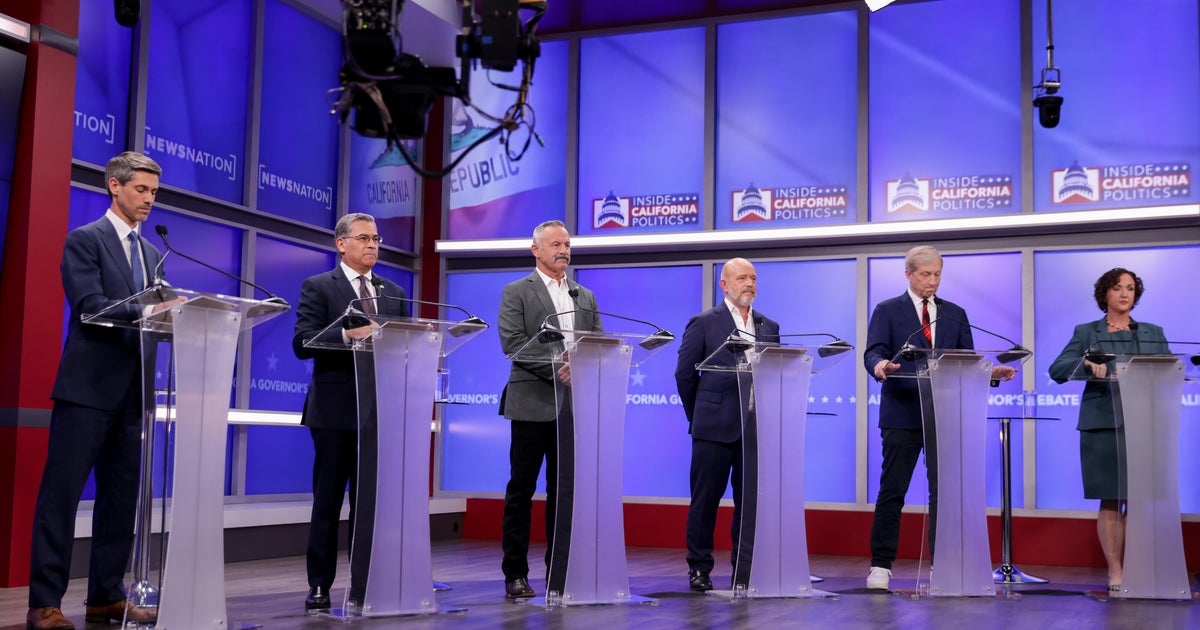
Making matters more complex, many voters are still getting to know the candidates. When pollsters asked which candidates voters might consider supporting—even if they’re not currently backing them—the numbers showed that many candidates have potential room to grow, if they can convert that consideration into actual support. However, a significant portion of voters also said they simply haven’t heard enough about many of the candidates to form an opinion, which means the upcoming debate and the final month of campaigning could genuinely reshape the race in dramatic ways. Most voters indicated that debates matter at least somewhat to their decision-making, setting the stage for Tuesday’s debate to potentially be a pivotal moment.
What Voters Want: Values, Judgment, and the Right Kind of Experience
When California primary voters describe what they’re looking for in their next governor, certain qualities rise to the top. Across the board, voters want candidates with strong “values” and good “judgment”—perhaps unsurprising given the complex challenges the state faces. But from there, the parties diverge in revealing ways. Democratic voters place particular emphasis on “experience,” which makes sense given that Democrats currently hold the governorship and many other statewide offices. They’re looking for someone who knows how the system works and can build on existing policies. Republicans, conversely, are more likely to want a candidate associated with “change,” reflecting their dissatisfaction with the current direction of the state.
Within the Democratic primary, there are interesting divisions based on how closely voters want the next governor to hew to Newsom’s policy agenda. Those Democrats who want policies very similar to Newsom’s are leaning slightly toward former HHS Secretary Xavier Becerra, who represents continuity with the current administration. Meanwhile, Democrats looking for something different are gravitating more toward philanthropist Tom Steyer, who represents a fresh approach while still remaining within the Democratic policy framework. This split suggests that even among Democrats who generally approve of the state’s direction, there’s a meaningful debate about whether the next governor should stay the course or chart a somewhat different path forward.
The Cost of Living Crisis That’s Reshaping California Politics
The numbers on cost of living are particularly sobering. More Californians now describe the cost of living as “unmanageable” than did five years ago, a shift that reflects not just the immediate inflationary pressures that followed COVID-19, but a longer-term trend of housing costs, gas prices, and general expenses outpacing wage growth. This isn’t just an abstract economic concern—it’s fundamentally changing how Californians think about their futures in the state. When pollsters asked about the attainability of the California Dream, the lack of confidence was striking and widespread, suggesting that the state’s identity as a land of opportunity is genuinely at risk.
There are some demographic bright spots in the data. Younger Californians remain relatively more optimistic about their prospects, and there’s notably more confidence among those under 50 than among older residents. This generational divide might reflect younger people’s different expectations, their longer time horizon for achieving goals, or perhaps simply a not-yet-crushed sense of possibility. There’s also a partisan divide, with Democrats expressing more confidence than Republicans—likely reflecting their different assessments of current state leadership and policies.
Gas prices have emerged as a particularly painful pressure point for California families. The state’s gas prices are among the highest in the nation, and polling shows they’ve hit voters hard across the political spectrum. When asked about potential solutions, voters were mixed on whether the next governor should suspend part of the state’s gas tax as a way to provide relief. Slightly more voters opposed this idea than supported it, suggesting that Californians understand the trade-offs involved—gas tax revenue funds road maintenance and other infrastructure projects—but the closeness of the split shows how desperate many are for any form of relief. Nationally, Americans have connected rising gas prices to international conflicts, particularly in Iran, and large majorities of California voters oppose U.S. military action there, with many saying a candidate’s position on such conflicts matters to their vote.
Diverging Visions: What Democrats and Republicans Want From Their Next Governor
The partisan divide in California isn’t just about which party should lead—it’s about fundamentally different diagnoses of what’s wrong and what should be fixed. Democrats tend to believe that California sets a good example for the rest of the nation, a view that shapes their relatively positive assessment of the state’s trajectory. They want the next governor to prioritize a balanced approach to helping the middle and working class, with particular emphasis on building more housing to address the state’s severe housing shortage and affordability crisis. This reflects a recognition that California’s housing crisis is at the root of many of the state’s cost-of-living problems, and that simply cutting taxes won’t solve the problem if there aren’t enough homes for people to live in.
Republicans see things entirely differently. They believe California sets a bad example for other states and view the state’s economy as not just struggling but performing worse than the national economy. Their top priority for the next governor is straightforward: lower taxes. This reflects a fundamentally different theory of what’s holding California back—not a shortage of housing or infrastructure investment, but excessive taxation and regulation that they believe drives up costs and drives out businesses and middle-class families. These competing visions mean that Democratic and Republican candidates are essentially proposing entirely different governing philosophies, not just minor variations on shared themes.
The issues that each party’s voters prioritize also reveal these different worldviews. For both Democrats and Republicans, the economy, jobs, and inflation rank at or near the top of concerns—the cost-of-living crisis is genuinely bipartisan. But from there, the priorities diverge sharply. Republican voters place much higher importance on immigration and crime, issues where they believe current Democratic leadership has failed and where they want dramatically different approaches. Democratic voters, meanwhile, prioritize climate change and healthcare much more highly—issues where they believe California has been a national leader and where they want that leadership to continue and expand.
The Trump Factor and What It Means for California’s Political Future
President Trump’s relationship with California—and California candidates’ relationship with Trump—has become a defining fault line in this race. Democratic primary voters overwhelmingly want a candidate who will always oppose Trump, with particular emphasis on refusing to cooperate with federal immigration enforcement operations. This isn’t just abstract partisan positioning; it reflects Democrats’ genuine belief, shared by a majority of overall voters, that the Trump administration treats California worse than other states, punishing it for its Democratic politics and resistance to federal policies.
The intensity of Democratic voters’ desire for a governor who will stand up to Trump cannot be overstated—it’s one of the clearest and most unified positions in the entire survey. This creates an interesting dynamic where Democratic candidates must balance addressing state-specific issues like housing costs and gas prices with demonstrating they’ll be a fierce opponent of the federal administration. Republicans, meanwhile, want a candidate who usually or always supports Trump, creating a mirror-image litmus test on their side. This means candidates are being evaluated not just on their vision for California, but on their positioning relative to national politics and the Trump administration.
When Democratic voters were asked which candidates they might consider, the results showed remarkably little crossover. Very few Democrats considering candidates like Becerra or Steyer are also considering Republicans like Hilton or Bianco, and vice versa. This suggests the California electorate is deeply polarized, with voters largely staying within their partisan lanes despite the state’s top-two primary system that theoretically encourages broader appeal. The large number of undecided voters may partially reflect dissatisfaction with the current field of candidates—independents particularly wish there were more choices—but those dissatisfied voters are also less likely to say they’ll definitely vote, which could further complicate predictions about who will actually show up on primary day.
As the debate approaches and the final month of campaigning begins, California finds itself at a genuine crossroads. The state that has long represented American optimism and opportunity is grappling with whether that identity still fits reality. Voters are searching for leaders who can address immediate economic pressures while also restoring confidence in the long-term promise of California life. With the race still wide open and so many voters undecided or still forming their opinions, the coming weeks will reveal whether any candidate can break through with a message that resonates across California’s diverse and divided electorate.