

Trump Demands Jimmy Kimmel’s Firing Over Controversial Joke About First Lady
The Controversy Erupts
In the latest escalation of tensions between the White House and late-night television, President Donald Trump took to social media Monday to call for ABC to terminate comedian Jimmy Kimmel’s contract. The demand came in response to a joke Kimmel made during his late-night show last Thursday, just days before a frightening security incident at the White House Correspondents’ Dinner. During his Thursday broadcast, Kimmel presented a satirical segment where he created what he called a mock correspondents’ dinner, referencing Kid Rock’s alternative halftime show concept. In this sketch, the comedian made a controversial remark about First Lady Melania Trump, describing her as having “a glow like an expectant widow.” This comment, intended as comedy by Kimmel’s standards, was interpreted very differently by the Trump family and sparked immediate outrage from the administration and conservative circles.
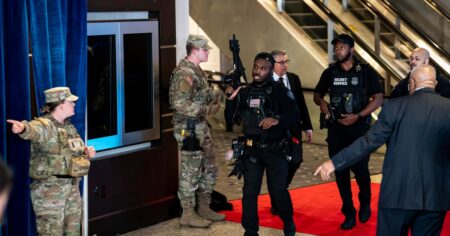
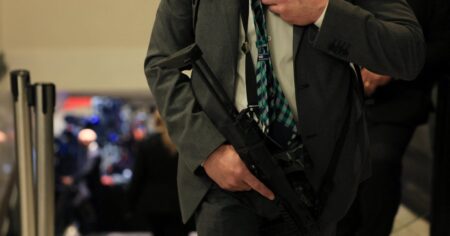
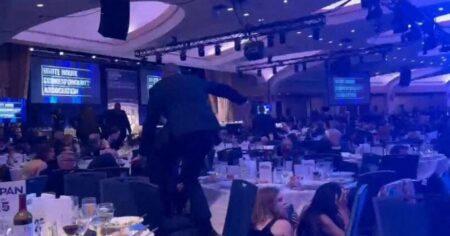
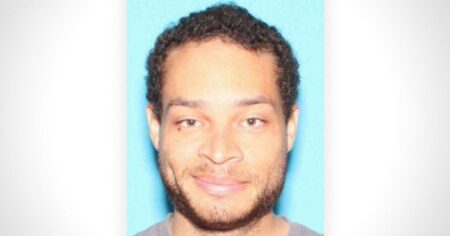
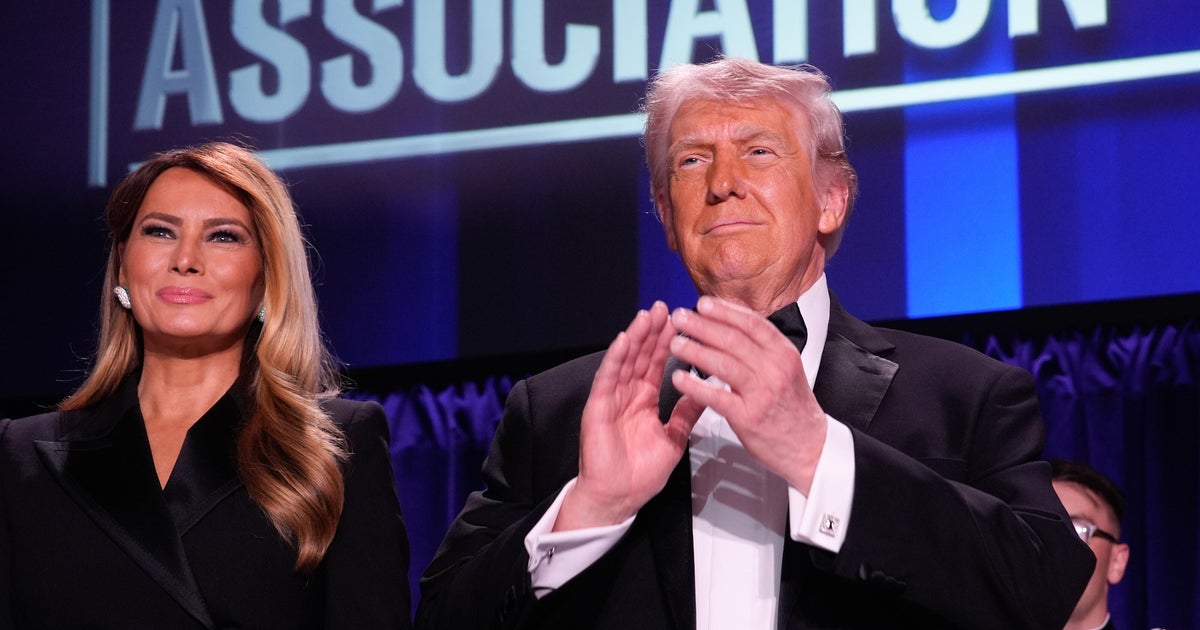
The joke took on a more serious dimension when, just days later, shots were fired at the actual White House Correspondents’ Dinner on Saturday evening. The President and First Lady were present at the event when the security breach occurred, though fortunately no one was injured. A suspect, identified as Cole Allen, was quickly apprehended and now faces federal charges including attempting to assassinate the president. The proximity of Kimmel’s widow joke to this real-world violence created what the Trump administration views as an unacceptable connection, transforming what might have been dismissed as another late-night barb into something the White House is characterizing as dangerous and inflammatory rhetoric that crossed a serious line.
First Lady Takes Rare Public Stand
In an unusual move that underscores the severity with which the Trump family views this incident, First Lady Melania Trump issued a strongly worded public statement—a rarity for someone who typically maintains a more reserved public profile. Her statement pulled no punches, directly calling out both Kimmel and the network that employs him. “Kimmel’s hateful and violent rhetoric is intended to divide our country,” the First Lady wrote on social media. “His monologue about my family isn’t comedy—his words are corrosive and deepens the political sickness within America.” She went further, arguing that entertainers like Kimmel abuse their media platforms and the access they have to American households. “People like Kimmel shouldn’t have the opportunity to enter our homes each evening to spread hate,” she continued, adding that “a coward, Kimmel hides behind ABC because he knows the network will keep running cover to protect him.”
The First Lady’s statement called on ABC to “take a stand” against what she characterized as unacceptable content that crosses the boundary from political satire into something more dangerous. Her use of the term “violent rhetoric” is particularly significant, as it frames Kimmel’s joke not as protected speech or comedy, but as language that potentially incites or normalizes violence against political figures. This framing has become increasingly common in political discourse, where words and jokes are sometimes interpreted as having real-world consequences, especially in our current climate where political violence and assassination attempts have become disturbingly more frequent. The First Lady’s willingness to speak out so forcefully indicates that the Trump administration views this as a watershed moment in the ongoing culture war between conservative politics and liberal-leaning entertainment media.
President Weighs In With Termination Demand
President Trump amplified his wife’s concerns with his own statement on Truth Social, his preferred social media platform. The President acknowledged that he typically doesn’t respond to Kimmel’s commentary but characterized this situation as “something far beyond the pale.” Trump’s statement framed Kimmel’s joke as nothing less than “a despicable call to violence,” language that dramatically escalates the stakes of this controversy. “I appreciate that so many people are incensed by Kimmel’s despicable call to violence, and normally would not be responsive to anything that he said but, this is something far beyond the pale,” the President wrote. His conclusion was unambiguous: “Jimmy Kimmel should be immediately fired by Disney and ABC.”
This demand for termination represents a direct challenge to one of America’s major media corporations and raises significant questions about the boundaries between political criticism, comedy, and speech that could be considered dangerous or threatening. The President’s statement suggests he believes there should be professional consequences for entertainment figures who make jokes he considers to have crossed a line, particularly when those jokes can be interpreted, even retrospectively, as having predicted or normalized violence. The timing of Trump’s statement—coming after the weekend shooting incident—gave his words additional weight and urgency, as the theoretical danger Kimmel joked about had transformed into an actual security crisis that put the President and First Lady in genuine danger.
Kimmel’s History of Controversy
This isn’t the first time Jimmy Kimmel has found himself at the center of political controversy, and it’s not even the first time he’s been pulled from the airwaves due to backlash over his political commentary. According to reports, Kimmel was temporarily removed from his show for several nights last September after facing intense criticism from conservatives, including President Trump himself, for remarks he made following what was described as the “Charlie Kirk assassination.” In that instance, Kimmel had made comments criticizing conservative responses to the incident, stating that America “hit some new lows over the weekend with the MAGA gang trying to characterize this kid who murdered Charlie Kirk as anything other than one of them, and doing everything they can to score political points from it.”
When Kimmel returned to the air on September 23rd after that controversy, he offered a carefully worded statement that stopped short of a full apology but acknowledged that his words had offended some viewers. “It was not my intention to blame any specific group for the actions of what was obviously a deeply disturbed individual,” he said, referring to the alleged gunman in that case. This pattern of controversial political commentary followed by pushback and qualified explanations has become something of a recurring cycle for Kimmel, who has positioned himself as one of the more politically outspoken late-night hosts in an era where such commentary has become standard fare for the genre. However, this latest incident may represent his most serious controversy yet, given the direct involvement of the First Lady, the explicit call for his termination from the President himself, and the unfortunate timing with an actual assassination attempt.
The Broader Context and Implications
This controversy unfolds against a backdrop of increasing tension between political figures and the entertainment industry, particularly late-night comedy shows that have become increasingly partisan and political in their content. The Trump presidency has been characterized by an especially contentious relationship with mainstream media and entertainment, with the President frequently criticizing what he sees as biased coverage and unfair treatment. Late-night hosts, for their part, have made the Trump administration a frequent target of mockery and criticism, viewing it as their role to provide satirical commentary on those in power. This particular incident raises profound questions about where the line exists between protected political satire and speech that could be considered dangerous or threatening, especially in an environment where political violence is a genuine and growing concern.
CBS News has reached out to ABC for comment on the situation, but as of the latest reports, the network had not issued a public response to the President’s demand for Kimmel’s termination. The network faces a difficult decision: standing by their host and defending his right to political satire could be seen as dismissing legitimate concerns about inflammatory rhetoric, while terminating or disciplining Kimmel could be viewed as capitulating to political pressure and setting a concerning precedent for how political figures can influence media content. Whatever ABC decides will likely have implications far beyond this single incident, potentially establishing new boundaries for what political comedy is considered acceptable and what consequences entertainers might face for crossing perceived lines. As this story continues to develop, it serves as yet another example of how deeply divided America has become, where even jokes can spark serious political crises and calls for professional consequences, reflecting a society struggling to find common ground on even the most basic questions about speech, humor, and acceptable public discourse.