


Cuba Plunges Into Darkness: A Nation Grappling with Its Third Major Blackout
The Latest Crisis Unfolds
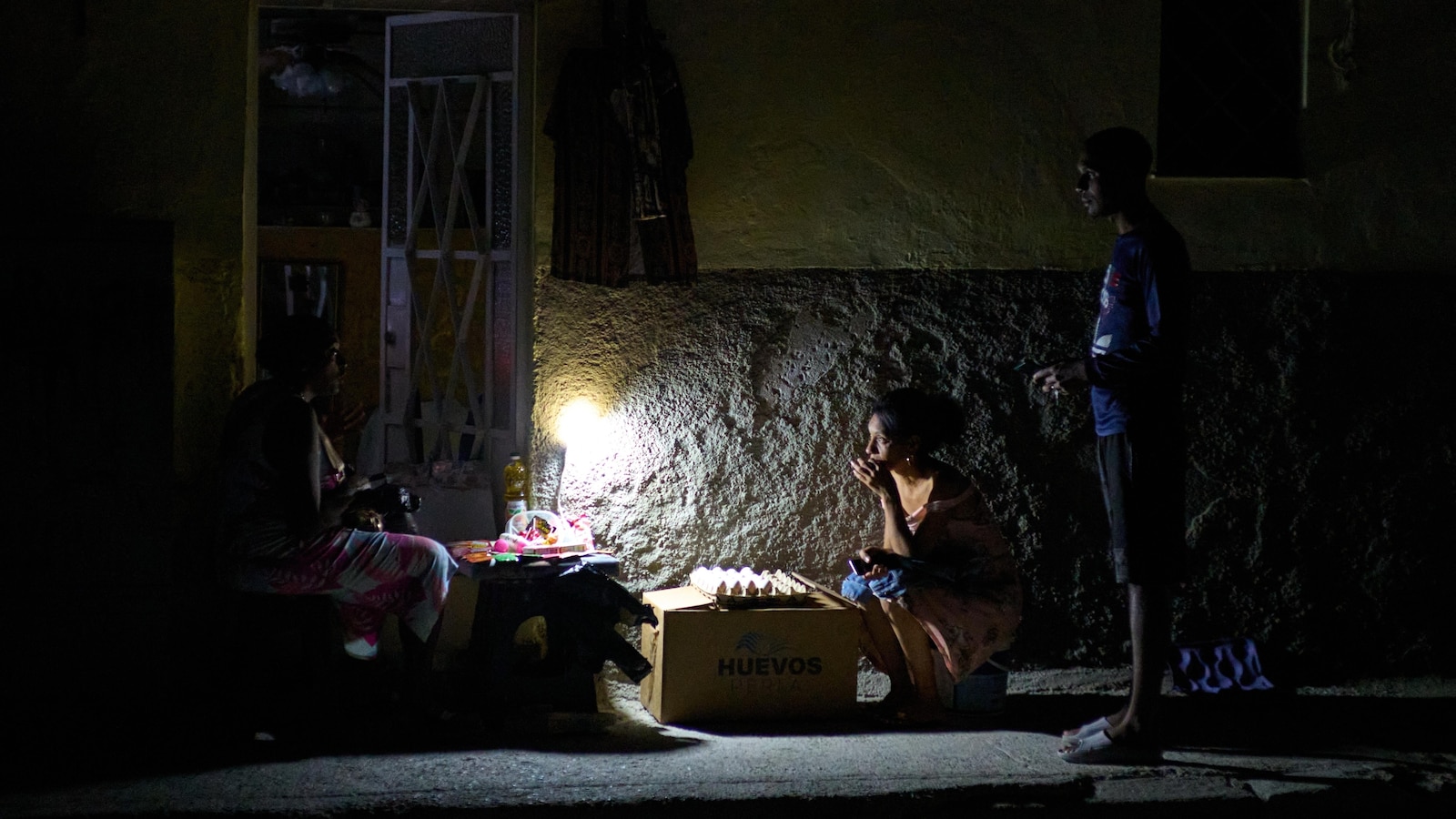
The lights went out across Cuba on Monday, plunging the entire island nation into darkness once again. This wasn’t just another rolling blackout or a temporary power hiccup—this was a complete, countrywide collapse of the electrical grid, marking the third catastrophic failure in just four months. For the millions of Cubans already struggling with daily hardships, this latest blackout represents yet another crushing blow to their quality of life. The situation is particularly alarming given that just over a week earlier, western Cuba experienced its own significant outage, leaving vast numbers of people without electricity and raising serious questions about the reliability and future of the nation’s power infrastructure. Each blackout brings not just inconvenience but genuine danger, as hospitals struggle to keep equipment running, food spoils without refrigeration, and the tropical heat becomes unbearable without fans or air conditioning. These aren’t isolated incidents but symptoms of a much deeper malaise affecting Cuba’s ability to keep the lights on for its people.
A Perfect Storm of Energy and Economic Troubles
Cuba’s current predicament didn’t happen overnight—it’s the result of converging crises that have been building for years and have now reached a critical point. President Miguel Díaz-Canel delivered sobering news to the Cuban people on Friday, revealing that the island has gone more than three months without receiving any oil shipments. This is an extraordinarily dire situation for a country that depends heavily on imported fuel to generate electricity and keep its economy moving. Without these essential oil deliveries, Cuba has been forced to cobble together whatever energy sources it can find, desperately trying to keep the power flowing through increasingly unreliable means. The country has turned to alternative energy sources like solar power and natural gas, which under normal circumstances would be commendable moves toward sustainability, but in Cuba’s case, these alternatives simply aren’t enough to meet the nation’s energy demands. Making matters worse, the country must continue to rely on its fleet of thermoelectric power plants—facilities that are decades old, poorly maintained, and operating well beyond their intended lifespans. These aging plants break down frequently, and when they do fail, they can take down large portions of the grid with them, creating the cascading failures that lead to islandwide blackouts.
The Blame Game: Blockades and Threats
As with many aspects of Cuban life, the energy crisis cannot be understood without considering the complex and contentious relationship between Cuba and the United States. Cuban officials have been quick to point fingers at what they call the U.S. energy blockade, arguing that American policies have deliberately strangled Cuba’s ability to secure the fuel it needs to keep the lights on. From the Cuban government’s perspective, this isn’t just about economics—it’s about a powerful neighbor using its influence to make life difficult for ordinary Cubans in hopes of destabilizing the government. There’s historical precedent for this argument, as the U.S. has maintained various forms of embargo and sanctions against Cuba for more than six decades. However, the situation became even more precarious in January when U.S. President Donald Trump issued a stark warning about tariffs on any country that sells or provides oil to Cuba. This threat has had a chilling effect on potential trading partners who might otherwise be willing to supply Cuba with the petroleum products it desperately needs. Countries and companies now face a difficult calculation: is it worth risking American economic retaliation to do business with Cuba? For many, the answer has been no, leaving Cuba increasingly isolated and unable to secure the energy resources that modern societies depend on. The Trump administration’s position reflects a hardline approach to Cuba policy, reversing some of the diplomatic warming that had occurred in previous years.
Daily Life in the Dark
For ordinary Cubans, the political finger-pointing offers little comfort when the power goes out and stays out for hours or even days at a time. These blackouts have become a defining feature of daily life, forcing people to adapt in ways that would seem unthinkable to those living in countries with reliable electricity. Families rush to use up perishable food before it spoils, businesses close their doors because they can’t operate, and students struggle to complete homework as darkness falls. The elderly and those with medical conditions requiring electrically powered equipment face genuine health risks during extended outages. In the sweltering Cuban heat, even a few hours without power can make homes unbearably hot, and nights become sleepless ordeals. Small businesses that might depend on refrigeration—whether for food, medicine, or other temperature-sensitive products—suffer devastating losses each time the grid fails. The economic impact ripples through communities, as workers can’t get to their jobs, transactions can’t be completed, and the informal economy that many Cubans depend on grinds to a halt. Beyond the immediate practical concerns, there’s also a psychological toll. The unpredictability of the blackouts creates constant anxiety, and the frequency with which they occur—three major incidents in four months—suggests things are getting worse, not better. People begin to lose faith that solutions are coming, and the sense of helplessness can be overwhelming.
A Grid on Life Support
The technical challenges facing Cuba’s electrical infrastructure are staggering. The island’s power grid was built decades ago, during a different era when Cuba had different international relationships and access to resources. Much of the equipment is Soviet-era technology that was never properly updated or replaced after the Soviet Union collapsed in the early 1990s. Maintenance has been deferred year after year due to lack of funds and spare parts, and the entire system is essentially being held together with duct tape and hope. Engineers and technicians work heroically to keep the system functioning, but they’re fighting a losing battle against aging equipment and insufficient resources. The thermoelectric plants that generate much of Cuba’s electricity are particularly problematic—they were designed for reliability but have long since exceeded their expected operational lifespans. When these plants fail, as they increasingly do, the results can be catastrophic, triggering chain reactions that can bring down the entire national grid. The integration of renewable energy sources like solar power, while positive in theory, has been hampered by the same resource constraints affecting everything else. Without adequate storage capacity and grid management technology, these alternative sources can’t compensate when the traditional generation capacity fails. The situation calls for massive investment in infrastructure modernization, but Cuba lacks both the capital and, due to international sanctions and strained relationships, the access to technology and expertise needed for such an undertaking.
Looking Ahead: An Uncertain Future
As Cuba faces its third major blackout in four months, the question on everyone’s mind is whether things will get better or continue to deteriorate. The honest answer is that the outlook appears grim without significant changes. As long as Cuba remains unable to secure reliable oil supplies, the energy crisis will persist. The aging power infrastructure will continue to fail more frequently and more dramatically. Alternative energy development, while important for the long term, cannot solve the immediate crisis. The political dynamics between Cuba and the United States show no signs of easing, particularly with the Trump administration taking a harder line on Cuba policy. This means the threat of sanctions against countries that might supply Cuba with oil remains in effect, perpetuating the island’s isolation from energy markets. For Cuba to emerge from this crisis, several things would need to happen: either a significant shift in U.S. policy that allows Cuba greater access to international energy markets, or Cuba finding alternative suppliers willing to risk American displeasure, or a diplomatic breakthrough that eases tensions. Additionally, Cuba needs massive investment in its power infrastructure, which requires either domestic economic growth that seems unlikely in current circumstances, or international investment that current political realities make difficult. In the meantime, ordinary Cubans will continue to endure the blackouts, adapting as best they can to an increasingly unreliable power supply and hoping that each outage won’t be as long as the last. The resilience of the Cuban people is remarkable, but there are limits to what any population can endure, and three major blackouts in four months suggests those limits are being tested as never before.