


Tragedy Strikes Near Lake Tahoe: Deadly Avalanche Claims Multiple Lives
Treacherous Conditions Hamper Rescue Operations
The serene beauty of the Lake Tahoe region turned deadly this week when a catastrophic avalanche swept through the Castle Peak area, claiming the lives of eight skiers and leaving one person still missing. What should have been an exhilarating backcountry skiing adventure became a nightmare as rescue teams battled against Mother Nature’s fury to reach the victims. By midday Wednesday, authorities had recovered eight bodies from the snow-covered mountainside, while crews continued their desperate search for the ninth missing skier despite facing incredibly challenging conditions.
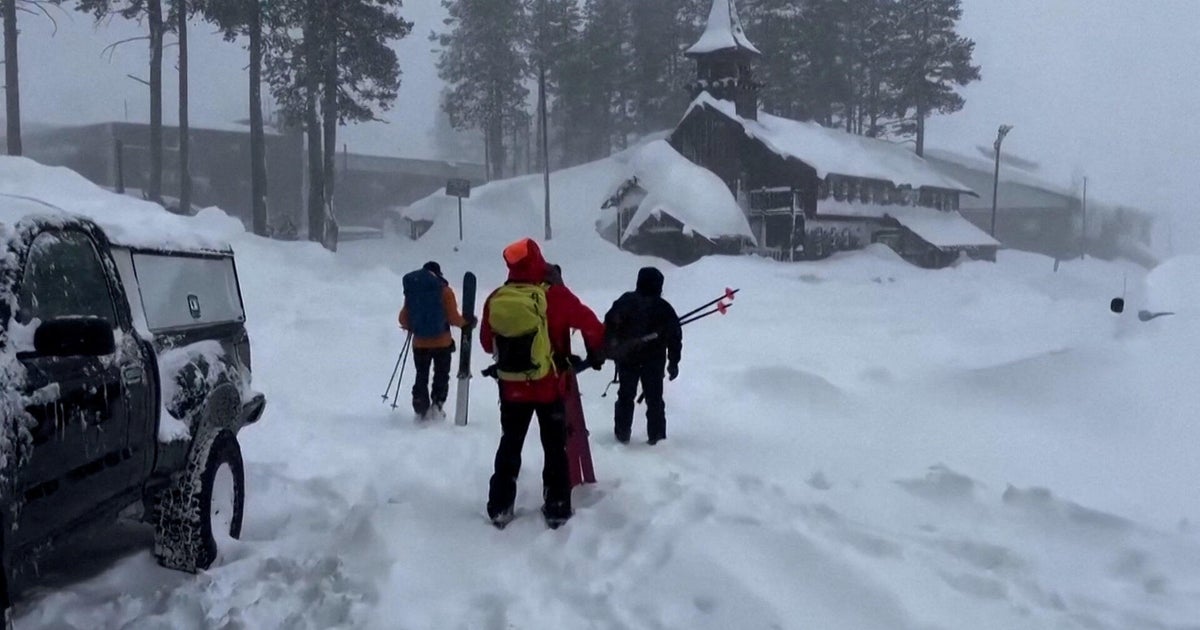
The rescue operation itself became a race against both time and weather. Captain Russell Greene of the Nevada County Sheriff’s Office described the harrowing difficulties faced by emergency responders as they attempted to reach the avalanche site. Winds howling at speeds up to 40 miles per hour created dangerous conditions that delayed the deployment of rescue resources for several hours. “It took us several hours to even get resources deployed,” Greene explained to CBS News, highlighting the frustrating reality of trying to save lives when nature itself seems determined to prevent it. Even as conditions began to ease on Wednesday, allowing teams to intensify their search efforts, the situation remained precarious and dangerous for everyone involved.
A Perfect Storm of Dangerous Weather
The avalanche didn’t occur in isolation—it was the culmination of days of severe winter weather that had been battering the region with relentless fury. Blizzard-like conditions with blinding snowfall had pummeled the Lake Tahoe area for two consecutive days, creating a dangerous accumulation of snow that set the stage for disaster. The nearby town of Truckee experienced an astounding 30 inches of snowfall in just 24 hours, a staggering amount that demonstrates the intensity of the storm system moving through the region. The massive snowfall didn’t just threaten backcountry skiers—it brought normal life to a standstill, shutting down sections of the interstate highway in both directions and leaving countless cars and trucks stranded on the roadways.
Captain Greene emphasized that the avalanche location presented unique challenges for rescue teams. “The area where the skiers are is tough to access,” he warned, adding a sobering note about the risks involved in the rescue operation itself: “The more people that we have up there, the higher chance of another incident happening.” This statement underscores the delicate balance rescue teams must strike between mounting an effective search operation and avoiding adding more victims to an already tragic situation. Every additional person on the unstable snowpack represented another potential casualty, forcing commanders to carefully calculate the risks of their rescue efforts.
The Ill-Fated Expedition and Its Survivors
The skiers who found themselves caught in this natural disaster were part of a larger group of 15 people, including both participants and guides, who had ventured into the Castle Peak area for what was meant to be a backcountry skiing adventure. This area is well-known among experienced skiers for its deep snow and challenging terrain, offering the kind of untamed wilderness experience that attracts adventurers seeking thrills beyond the boundaries of groomed resort runs. However, this attraction comes with inherent risks—the Castle Peak backcountry has no marked trails, no ski patrol standing by to help in emergencies, and no infrastructure to support skiers when things go wrong.
When the avalanche struck, the results were devastating but not total. Six members of the group managed to survive the incident, though they sustained varying degrees of injury, according to the Nevada County Sheriff’s Office’s Facebook update. Two of these survivors required hospitalization for treatment of their injuries, while the others presumably suffered less severe trauma. These survivors likely owe their lives to a combination of luck, skill, proper avalanche safety equipment, and the quick response of their guides and fellow skiers. Their survival stands in stark contrast to the eight confirmed deaths and one person still missing, highlighting how narrow the margin between life and death can be in such catastrophic events.
Warnings Went Unheeded
What makes this tragedy particularly heartbreaking is that it was entirely predictable and, arguably, preventable. The Sierra Avalanche Center had issued clear and urgent warnings about the extreme danger facing anyone venturing into backcountry terrain. According to the sheriff’s office, the avalanche center had stated unequivocally: “High avalanche danger exists in the backcountry. Large avalanches are expected to occur Tuesday, Tuesday night, and into at least early Wednesday morning across backcountry terrain. High avalanche danger might continue through the day on Wednesday.” This wasn’t a vague suggestion to be careful—it was an explicit warning that large avalanches were expected to occur.
Even after the tragedy unfolded, the danger didn’t subside. An updated warning issued Wednesday morning continued to emphasize that “large avalanches are expected across backcountry terrain” and that “high avalanche danger” could persist through Thursday. This serves as a reminder that the group caught in Tuesday’s avalanche wasn’t facing some unpredictable freak event—they were skiing in conditions that experts had identified as highly dangerous. The question that will haunt the survivors, the families of the victims, and the outdoor recreation community is why the group decided to proceed with their expedition despite these clear warnings. While we may never know the full reasoning behind their decision, it serves as a tragic reminder that avalanche warnings must be taken seriously, no matter how experienced a skier might be or how appealing the powder conditions might look.
Broader Implications and Lessons Learned
This devastating incident near Lake Tahoe joins a long and somber list of avalanche tragedies that have claimed lives in mountain regions across the world. Each incident carries its own unique circumstances, but common threads run through many of them: experienced recreationalists underestimating the danger, the allure of perfect snow conditions overriding cautious decision-making, and the sobering reality that even the most skilled outdoor enthusiasts are ultimately at the mercy of natural forces far beyond human control. The Castle Peak avalanche will undoubtedly prompt renewed discussions within the backcountry skiing community about risk assessment, decision-making protocols, and the responsibilities of guides leading groups into dangerous terrain.
As rescue crews continue their search for the final missing skier, the outdoor recreation community and the families affected by this tragedy face the difficult process of grieving and seeking answers. The incident serves as a powerful reminder that the mountains, while offering incredible beauty and adventure, demand respect and careful judgment from those who venture into their wilderness. Avalanche safety education, proper equipment, careful attention to weather forecasts and avalanche bulletins, and the willingness to turn back when conditions warrant are not optional extras for backcountry enthusiasts—they are essential tools for survival. While nothing can bring back those who lost their lives in this tragic avalanche, perhaps their deaths can serve as a catalyst for increased safety awareness that might prevent future tragedies. The mountains will always carry risks, but those risks can be managed and minimized by people who approach backcountry recreation with the seriousness and preparation it demands.