
Everything You Need to Know About Daylight Saving Time 2026
Get Ready to Spring Forward This March
The annual ritual of changing our clocks is just around the corner. In less than a week, most Americans will be adjusting their timepieces forward by one hour as daylight saving time makes its return for another year. This long-standing practice, which has been part of American life for over a century, is designed to make better use of natural sunlight during the longer days of spring and summer. While it might seem like a simple clock adjustment, this twice-yearly time change affects millions of people and continues to spark debates about its usefulness and impact on our daily lives. Whether you love the extra evening sunlight or dread losing that precious hour of sleep, understanding the ins and outs of daylight saving time can help you prepare for the upcoming change and minimize its effects on your routine.
The Correct Name and When It Happens
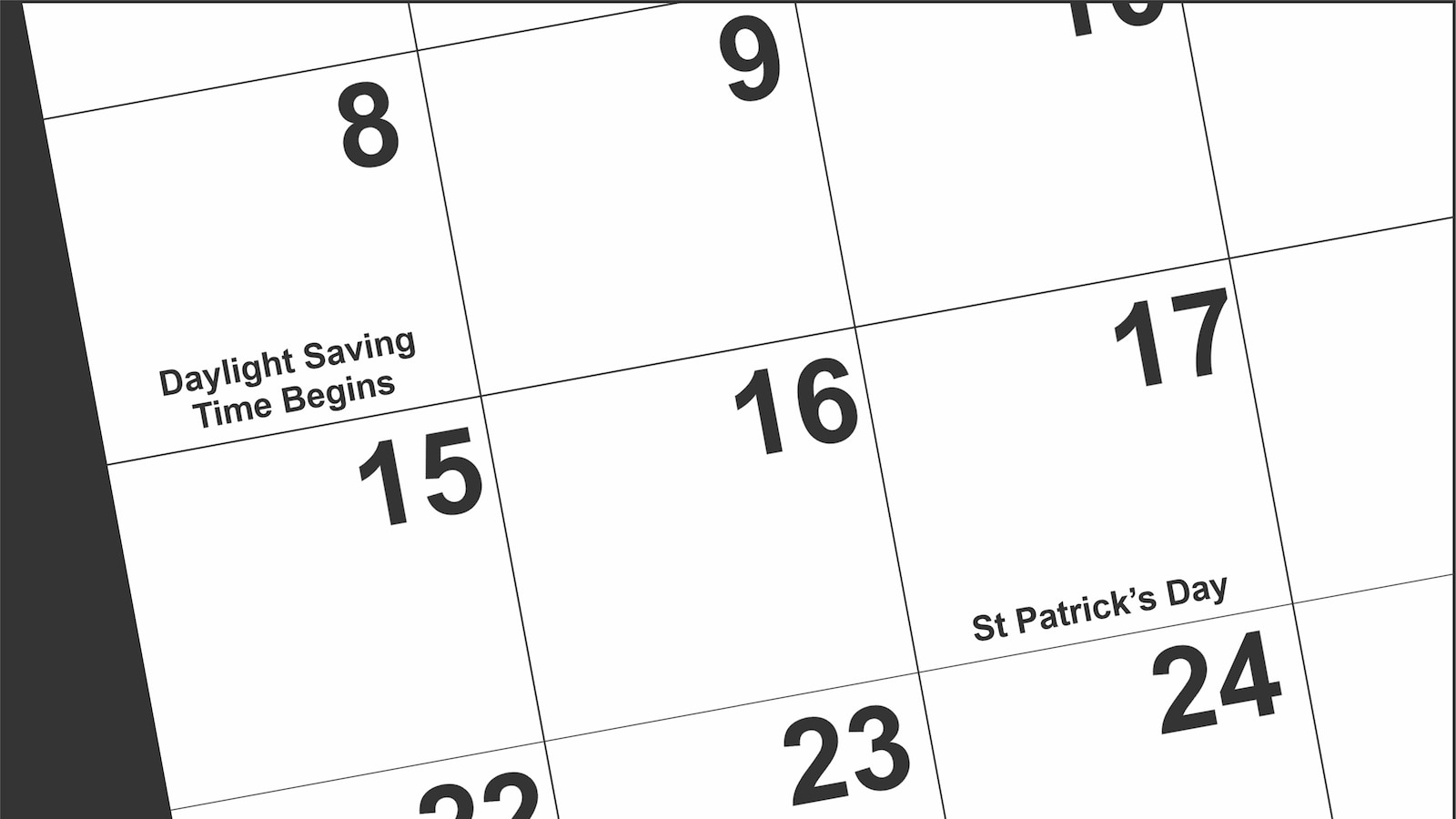
First things first: let’s clear up a common misconception. While you’ll often hear people say “daylight savings time” with an ‘s’ at the end of saving, the official and correct term is actually “daylight saving time” without the plural. This terminology is established by federal law and distinguishes it from standard time, which is what we observe during the winter months. Mark your calendars for March 8, 2026, when daylight saving time will officially begin at 2 a.m. local time. This means that when your clock strikes 2 a.m., it will immediately jump forward to 3 a.m. The practice follows a consistent schedule that has been in place since 2007, always occurring on the second Sunday of March each year. Once we spring forward in March, we’ll continue to observe daylight saving time until November 1, when we’ll fall back and return to standard time. The concept itself isn’t new – in fact, Americans have been adjusting their clocks for this purpose since March 1918, when the Standard Time Act was passed and implemented by Congress, making it a practice that has endured for more than a hundred years.
The Sleep Loss Reality and Who’s Exempt
Unfortunately, when we spring forward, we do lose an hour of sleep – there’s no way around it. When the clock jumps from 2 a.m. to 3 a.m., that hour simply disappears from our night. This is why the spring time change tends to be more challenging for people compared to the fall change when we gain an hour. However, not everyone in the United States participates in this clock-changing ritual. Most states, along with the District of Columbia and the Navajo Nation, do observe daylight saving time, but there are notable exceptions. Arizona (excluding the Navajo Nation territory within the state) and Hawaii have opted out of the practice entirely. Additionally, U.S. territories including American Samoa, Guam, the Northern Mariana Islands, Puerto Rico, and the U.S. Virgin Islands also don’t change their clocks. Residents of these areas maintain the same time year-round, which means they don’t experience the biannual disruption to their sleep schedules that the rest of the country does. For those living in these exempt areas, life continues on a consistent schedule without the need to remember which direction to move the clock hands twice a year.
The Ongoing Debate About Making Changes
The question of whether the United States should permanently end or modify daylight saving time has been a hot topic for years, and the debate shows no signs of cooling down. Various proposals have been introduced in Congress attempting to address concerns about the practice, with some advocating for its complete elimination and others suggesting compromises. One recent example is H.R. 7378, known as the Daylight Act of 2026, which proposes a middle-ground solution: instead of the current one-hour shift, this bill suggests modifying clocks by only half an hour. The reasoning behind such proposals often centers on the disruption that the time change causes to people’s sleep patterns, health, and daily routines. Proponents of permanent standard time argue that it’s more aligned with our natural circadian rhythms, while those favoring permanent daylight saving time enjoy the extended evening daylight hours. Despite these ongoing discussions and the introduction of various pieces of legislation, no permanent change has been enacted at the federal level. This means that for the foreseeable future, Americans should expect to continue the traditional practice of changing their clocks twice a year, just as we have for generations.
Understanding the Health Impact
The seemingly simple act of moving the clock forward by one hour can have more significant health consequences than many people realize. Medical experts have studied the effects of daylight saving time extensively, and their findings reveal some concerning patterns. According to Dr. Darien Sutton, an ABC News medical correspondent who discussed the issue on “Good Morning America,” even small reductions in sleep can negatively affect our bodies in measurable ways. The sleep disruption triggered by daylight saving time causes an increase in stress hormones, which can put strain on our cardiovascular system. Research has shown that the risk of heart attacks and strokes actually increases in the first two days following the spring time change, with women and older adults being particularly vulnerable to these effects. The sudden shift in our sleep-wake cycle disrupts our body’s natural rhythms, and even though it’s just one hour, the impact can be surprisingly powerful. Our bodies are finely tuned to regular patterns of sleep and wakefulness, and when that pattern is abruptly changed, even by 60 minutes, it can throw multiple systems out of balance. Beyond cardiovascular risks, people also report increased accidents, decreased productivity, and mood changes in the days following the time change.
Tips for Managing the Transition
Fortunately, there are practical steps you can take to minimize the negative effects of springing forward and help your body adjust more smoothly to the time change. Dr. Sutton offers several evidence-based recommendations that can make a real difference. Start by gradually shifting your bedtime earlier in the days leading up to the change – going to bed 15 to 20 minutes earlier than usual can help ease the transition. This is especially important during the first week after the time change when your body is working hardest to adapt. Consistency is also crucial; try to maintain regular sleep and wake times even on weekends to help stabilize your internal clock. Avoid consuming alcohol, particularly in the evenings, as it can interfere with sleep quality and make adjustment more difficult. When morning comes, exposure to natural light becomes your best friend. Aim to get at least 15 minutes of sunlight shortly after waking up, as this helps reset your circadian rhythm and signals to your body that it’s time to be awake and alert. If possible, take a walk outside during daylight hours to reinforce these natural cues. By taking these proactive measures, you can help your body adapt more quickly and reduce the likelihood of experiencing the negative health effects associated with the time change, making the spring forward a little less jarring for both your schedule and your wellbeing.