


Trump’s Ultimatum Threatens Homeland Security Shutdown Resolution
Political Standoff Enters Critical Phase
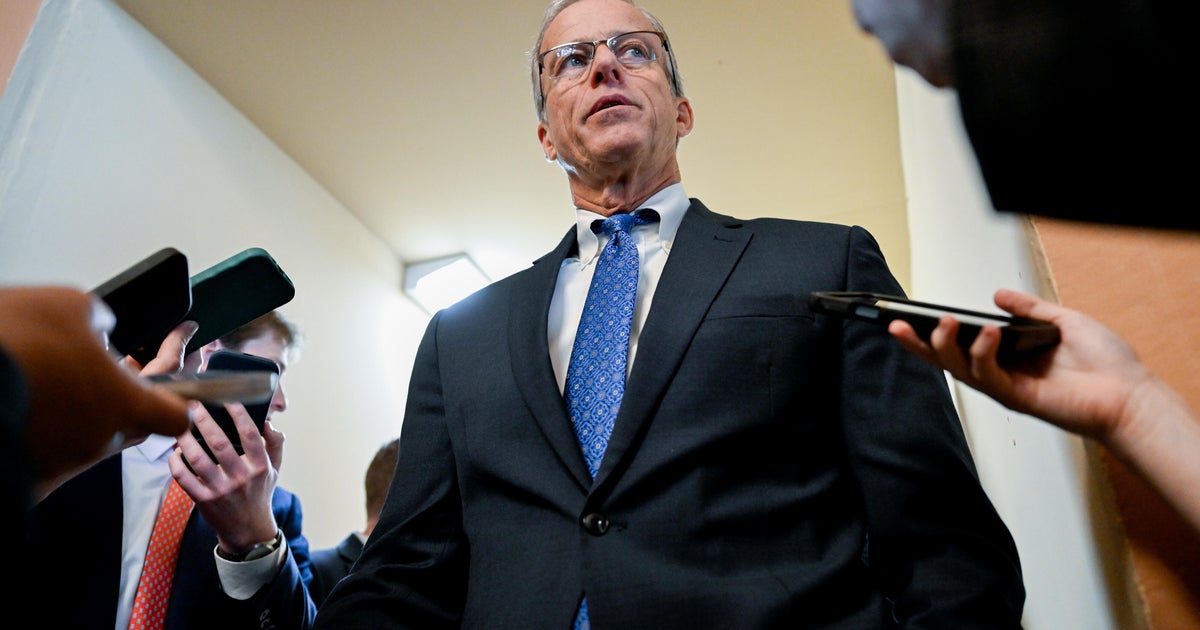
The government shutdown affecting the Department of Homeland Security has now stretched past the one-month mark, with 38 days of operational disruption creating mounting pressure on lawmakers to find a resolution. What appeared to be cautious progress toward ending the impasse hit an unexpected obstacle when President Trump made a surprising intervention on Monday. Speaking from Memphis, Tennessee, the President urged Republican senators to refuse any compromise with Democrats unless they agree to pass controversial voting legislation known as the SAVE America Act. This dramatic demand has complicated what were already delicate negotiations, transforming a funding dispute into a broader partisan battle over election laws. The President’s insistence on linking these two separate issues has created what Senate Majority Leader John Thune diplomatically called a “wrinkle” in the ongoing discussions, though many observers see it as a potentially deal-breaking complication that could prolong the shutdown indefinitely.
The SAVE America Act Becomes a Bargaining Chip
At the heart of President Trump’s new demand is the SAVE America Act, a piece of legislation that would fundamentally change how Americans register and vote. The bill would require citizens to provide proof of citizenship when registering to vote and present photo identification at polling places. While Republicans generally support these measures, arguing they prevent voter fraud and protect election integrity, Democrats strongly oppose them, viewing them as barriers that would make it harder for legitimate voters, particularly minority and low-income citizens, to exercise their constitutional rights. The legislation has already proven problematic for Senate Republicans, who have spent nearly a week debating the measure in an effort to satisfy conservative members demanding action. However, the political reality is stark: the bill lacks the 60 votes needed to overcome a filibuster, a fact that Majority Leader Thune has acknowledged publicly. President Trump’s call to “weld” the voting requirements into DHS funding legislation represents an escalation that asks Republican senators to stake the department’s operations on passing legislation that simply doesn’t have the necessary support. His dramatic rhetoric, telling senators they “don’t have to take a fast vote” and urging them not to worry about the upcoming Easter recess, framing it as “make this one for Jesus,” underscores how high the stakes have become in this political confrontation.
Real-World Consequences Mount at Airports Nationwide
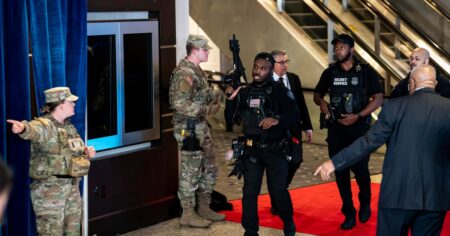
While political leaders debate in Washington, the practical effects of the Homeland Security shutdown are becoming impossible to ignore, particularly at airports across the country. Transportation Security Administration workers, who are responsible for screening millions of passengers daily, have now gone more than a month without paychecks. The financial strain on these essential workers has led to increased absenteeism and staffing shortages, creating cascading problems throughout the aviation system. Travelers at numerous airports have encountered dramatically longer security lines, with some wait times stretching to several hours. The situation has become serious enough that the administration has taken the unusual step of deploying Immigration and Customs Enforcement agents to more than a dozen airport locations to help fill the gaps left by missing TSA personnel. These aren’t just minor inconveniences; the disruptions affect business travelers, families on vacation, and the broader economy that depends on reliable air transportation. The irony isn’t lost on many observers that a department created specifically to protect national security after the September 11 attacks is now compromised due to a political dispute, potentially creating the very vulnerabilities it was designed to prevent.
Democrats Offer Partial Solution, Republicans Show Interest
As the shutdown’s impacts have intensified, Democrats have repeatedly proposed what they consider a reasonable compromise: approve funding for TSA and other non-immigration components of the Department of Homeland Security while continuing to negotiate over Immigration and Customs Enforcement funding. This approach would allow airport security workers to return to paid status and restore normal operations to parts of the department that aren’t directly involved in the immigration enforcement dispute at the heart of the political disagreement. For weeks, this proposal went nowhere as Republicans insisted on an all-or-nothing approach. However, cracks in the unified Republican position have begun to appear. Senator John Kennedy of Louisiana publicly stated that Republicans “ought to accept the Democrats’ offer to open everything up but ICE,” suggesting that immigration enforcement funding could be addressed separately through the budget reconciliation process, which wouldn’t require Democratic votes. This represents a significant shift in thinking, as reconciliation was previously seen as the tool for passing larger tax and spending packages, not for funding specific agencies. Majority Leader Thune has also expressed openness to exploring various options, telling reporters that “there are lots of ideas swirling right now” and that Republicans “aren’t taking any options off the table.” This flexibility suggests that without President Trump’s new demands regarding voting legislation, a pathway to ending at least part of the shutdown might have been emerging.
Behind-the-Scenes Negotiations Show Promise and Frustration
Despite the public rhetoric and political posturing, serious negotiations have been occurring behind closed doors, with bipartisan groups of senators making genuine efforts to find common ground. Late last week, senators from both parties met with Tom Homan, the administration’s border czar, in sessions that participants described as constructive. These meetings marked an important development because they represented a willingness from both sides to move beyond talking points and engage with the substantive policy details. The discussions on Thursday and Friday generated what some senators carefully characterized as “tepid optimism” that a deal might be possible, though they acknowledged significant differences remained to be resolved. The Senate’s scheduled two-week Easter recess at the end of the week has added urgency to the talks, though Majority Leader Thune has indicated the chamber could remain in session until the shutdown ends. However, the weekend brought disappointing news, with little apparent progress made. On Monday morning, Democrats were scheduled to meet again with Homan to continue building on the previous week’s momentum, but the White House abruptly canceled that meeting. Senate Minority Leader Chuck Schumer attributed the cancellation to what he called “Donald Trump’s temper tantrum,” suggesting that the President’s new demands regarding voting legislation had derailed the careful diplomatic work that had been underway.
The Path Forward Remains Uncertain
As the shutdown enters its sixth week, the political landscape remains deeply uncertain. Senate Minority Leader Schumer has accused President Trump of “trying to sabotage negotiations” and insisted that Democrats will “keep working in good faith” despite the obstacles. He emphasized that his caucus’s position hasn’t changed: they want TSA workers paid and are willing to meet with White House officials to continue productive discussions. However, Schumer’s frustration was evident as he called on the President to “stop derailing these talks and let negotiations continue.” The fundamental question facing lawmakers is whether President Trump’s demand to link DHS funding with the SAVE America Act is a firm redline or a negotiating position that could soften as pressure builds. Majority Leader Thune spoke with the President on Sunday about possible off-ramps from the crisis, suggesting that White House positions may not be entirely fixed. For the thousands of DHS employees working without pay, for the travelers facing disrupted airport experiences, and for the broader public concerned about national security, the political maneuvering in Washington seems far removed from their daily reality. The coming days will reveal whether lawmakers can separate the shutdown from the voting legislation debate and provide relief to affected workers and travelers, or whether the linkage President Trump demands will prolong the crisis further. What began as a dispute over immigration enforcement funding has evolved into a complex test of political will, with implications extending far beyond any single policy issue to questions about how government functions when partisan priorities collide with operational necessities.