


Eddie Bauer Files for Bankruptcy: A Century-Old Outdoor Brand Faces Modern Challenges
A Historic Retailer Enters Troubled Waters Again
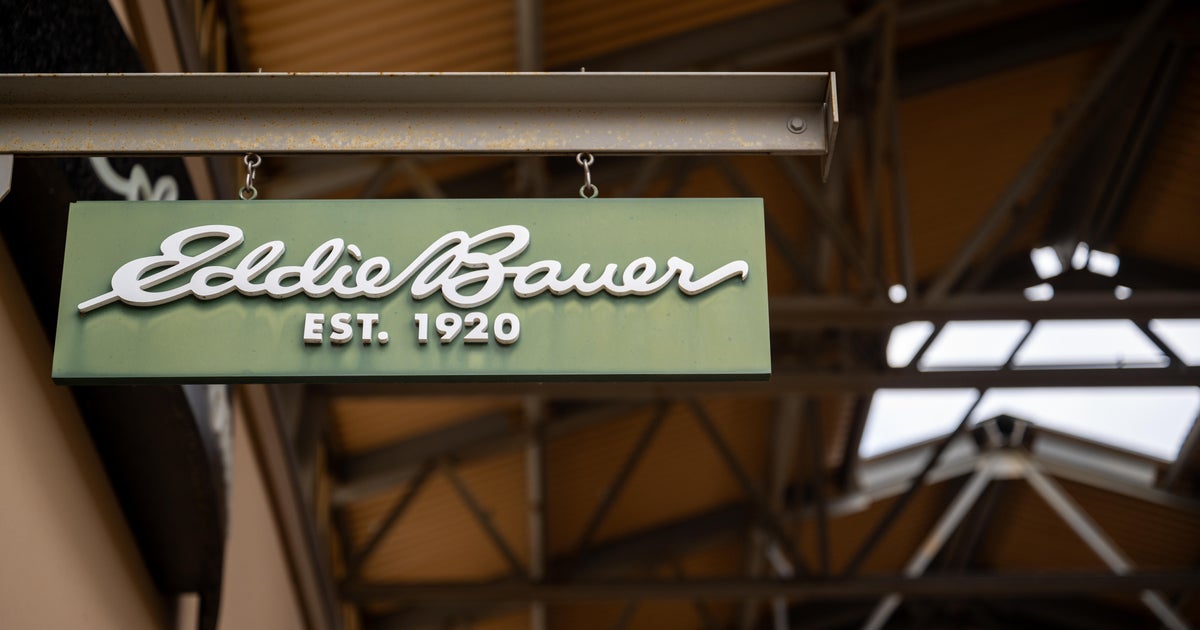
Eddie Bauer, the iconic American outdoor apparel retailer with over a century of heritage, announced Monday that it has filed for Chapter 11 bankruptcy protection—marking the third time the company has sought refuge from its creditors under federal bankruptcy laws. This latest financial crisis strikes at the heart of a brand that has been synonymous with American outdoor adventure since 1920, when it first opened its doors as a modest fishing shop in Seattle. The Bellevue, Washington-based company currently operates approximately 180 retail stores scattered across the United States and Canada, all of which will remain open to serve customers even as the company begins the difficult process of winding down some locations. Despite the gravity of this situation, there’s a silver lining for loyal customers: the company’s e-commerce platform and wholesale operations will continue functioning normally since they operate under separate business structures. Additionally, Eddie Bauer stores located in international markets outside North America remain unaffected by this filing, continuing their operations without interruption.
Leadership Acknowledges the Difficult Road Ahead
Marc Rosen, who serves as CEO of Catalyst Brands—the company that holds the licensing rights to operate Eddie Bauer stores throughout the United States and Canada—didn’t mince words when addressing the bankruptcy filing. In a candid statement, Rosen acknowledged that this decision wasn’t made lightly, emphasizing the emotional weight of having to make such a difficult choice for a beloved brand. “This is not an easy decision,” Rosen stated, reflecting the somber reality facing the company and its thousands of employees. However, he maintained that this restructuring process represents the most viable path forward to optimize value for all the retail company’s stakeholders while simultaneously ensuring that Catalyst Brands itself remains profitable with strong liquidity and healthy cash flow. The CEO’s comments reveal the delicate balancing act companies must perform when facing insolvency—protecting the interests of creditors, employees, and parent companies while trying to salvage what remains of a once-thriving business.
The Perfect Storm: Multiple Challenges Converge
The factors that pushed Eddie Bauer into bankruptcy court didn’t emerge overnight but rather accumulated over several years, creating a perfect storm of business challenges that ultimately proved insurmountable. Rosen pointed to several key issues that plagued the retailer in recent years, including steadily dwindling sales that reflected changing consumer preferences and increased competition in the outdoor apparel market. Supply-chain disruptions, which have affected retailers across all sectors particularly in the post-pandemic era, created additional operational headaches and increased costs. Perhaps most significantly, Rosen specifically cited “ongoing tariff uncertainty” as a major contributing factor to the company’s financial distress. This reference likely points to the complex trade relationships between the United States and its trading partners, particularly China, where much apparel manufacturing takes place. Tariffs on imported goods can dramatically increase costs for retailers, squeezing already thin profit margins and making it difficult to remain price-competitive. These tariffs create an unpredictable business environment where companies struggle to plan inventory purchases and pricing strategies, ultimately affecting their bottom line.
Progress Interrupted: Changes That Came Too Late
One of the most poignant aspects of Eddie Bauer’s bankruptcy is that it didn’t result from management inaction or complacency. According to CEO Rosen, the leadership team at Catalyst had actually “made significant strides” in revitalizing the Eddie Bauer brand, including implementing rapid improvements in both product development and marketing strategies. These efforts suggest that management recognized the challenges facing the company and actively worked to modernize the brand, develop products that would resonate with contemporary consumers, and create marketing campaigns that would connect with both loyal customers and new audiences. However, as Rosen sadly noted, “those changes could not be implemented fast enough to fully address the challenges created over several years.” This statement reveals one of the harsh realities of retail turnarounds: sometimes even the right strategies, executed competently, simply come too late to reverse years of accumulated problems. The retail landscape moves quickly, and companies that fall behind often find themselves in a race against time, where even accelerated improvement efforts can’t outpace mounting debts and declining revenues.
From Seattle Fishing Shop to American Icon
Eddie Bauer’s story is deeply woven into the fabric of American outdoor culture and sporting history, making this bankruptcy particularly bittersweet for those familiar with the brand’s storied past. The company launched in 1920 as a humble Seattle fishing shop, founded by its namesake Eddie Bauer, who was passionate about outdoor recreation and quality gear. Over the decades, Eddie Bauer built a reputation for providing high-quality outerwear, becoming particularly renowned for its down jackets and sleeping bags—products that combined practical functionality with innovative design. The company’s commitment to quality earned it an important contract providing outerwear for the U.S. military during World War I, cementing its reputation as a maker of gear that could withstand extreme conditions. Perhaps the brand’s most famous moment came in 1963, when legendary mountaineer Jim Whittaker wore Eddie Bauer clothing while becoming the first American to successfully summit Mount Everest, the world’s highest peak. This achievement became part of Eddie Bauer’s identity, symbolizing the brand’s association with adventure, exploration, and American achievement in outdoor pursuits.
The Broader Context: Retail’s Ongoing Struggles
Eddie Bauer’s bankruptcy filing, while significant on its own terms, also reflects broader challenges facing traditional brick-and-mortar retailers in today’s rapidly evolving commercial landscape. The company’s third trip through bankruptcy court tells a story not just about one brand’s struggles, but about fundamental shifts in how consumers shop, what they value, and where they choose to spend their money. The rise of e-commerce giants, the proliferation of specialized outdoor brands, changing fashion preferences, and the financial pressures created by economic uncertainty have all contributed to a retail environment where legacy brands can quickly find themselves struggling for relevance. The fact that Eddie Bauer’s e-commerce and international operations continue unaffected by the bankruptcy suggests that the traditional U.S. and Canadian retail store model—with its high overhead costs for real estate, staffing, and inventory—has become particularly vulnerable. As the company works through this restructuring process, stakeholders will be watching closely to see whether Eddie Bauer can emerge from bankruptcy with a viable business model that honors its heritage while adapting to contemporary retail realities, or whether this marks the beginning of the end for a brand that has served outdoor enthusiasts for more than a century.