


U.S. Military Campaign Against Drug Trafficking Vessels Raises Serious Questions
Another Deadly Strike in the Caribbean
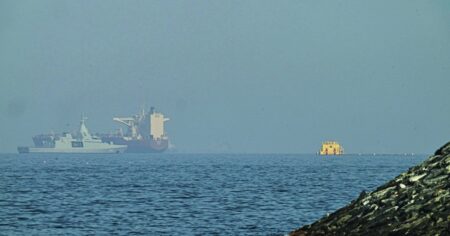
The United States military has continued its controversial campaign of targeting suspected drug-trafficking vessels in Caribbean and Latin American waters, with the latest strike occurring on Monday that killed two people. According to U.S. Southern Command, the attack targeted what they described as an alleged drug-trafficking boat operating along known smuggling routes in the Caribbean Sea. A video released on social media showed the vessel moving through the water moments before a massive explosion completely engulfed it in flames, destroying the boat entirely. This strike represents just the latest in a series of similar operations that have been ongoing since early September, marking a significant escalation in U.S. military involvement in counter-narcotics operations throughout the region.
A Growing Death Toll and Mounting Concerns
What began as an aggressive new approach to combating drug trafficking has now resulted in at least 188 deaths across multiple strikes conducted in both the Caribbean Sea and the eastern Pacific Ocean. The Trump administration has framed these operations as necessary measures in what the President has characterized as an “armed conflict” with drug cartels operating throughout Latin America. President Trump has defended these strikes as essential actions to stop the flow of illegal drugs into the United States and to address the ongoing crisis of fatal overdoses claiming American lives. However, despite the administration’s strong rhetoric and the significant loss of life, the military has not provided any concrete evidence that the targeted vessels were actually carrying drugs or that those killed were indeed connected to drug trafficking operations, raising serious questions about the justification for these deadly attacks.
Escalating Military Presence in Latin America
These strikes are taking place against the backdrop of the largest U.S. military buildup in the Latin American region in generations, signaling a dramatic shift in American foreign policy and military strategy in the Western Hemisphere. The campaign has persisted even as the United States has been dealing with military tensions involving Iran, demonstrating that the administration views counter-narcotics operations in Latin America as a top priority that will not be sidelined by other international conflicts. The frequency of these strikes has actually increased in recent weeks, suggesting that rather than being a temporary or experimental approach, this represents a sustained and perhaps permanent change in how the United States conducts counter-drug operations. This military escalation preceded the dramatic January raid that resulted in the capture of then-Venezuelan President Nicolás Maduro, who was subsequently brought to New York to face drug trafficking charges, to which he has pleaded not guilty.
Questions of Evidence and Accountability
One of the most troubling aspects of this military campaign is the complete absence of evidence provided to support the administration’s claims. While U.S. Southern Command repeatedly issues statements saying it has targeted alleged drug traffickers along known smuggling routes, no proof has been offered to demonstrate that any of the destroyed vessels were actually carrying narcotics or that the people killed were involved in drug trafficking. This lack of transparency is particularly concerning given the significant death toll and the fact that the United States is essentially conducting military strikes in international waters and near the sovereign territories of other nations. The administration’s use of terms like “narcoterrorism” to describe the targets suggests an attempt to frame these operations within existing counter-terrorism frameworks, but without evidence, it remains unclear whether those killed were cartel members, low-level smugglers, innocent fishermen, or people engaged in entirely legal activities who happened to be in the wrong place at the wrong time.
Legal and Ethical Concerns
Critics have raised serious questions about the overall legality of these boat strikes under both domestic and international law. The use of military force against what are essentially suspected criminals, without trial or due process, represents a significant departure from traditional law enforcement approaches to drug trafficking. International maritime law, the laws of war, and human rights conventions all raise potential legal issues with this approach. There are questions about whether the United States has the legal authority to destroy vessels in international waters or in the territorial waters of other nations, and whether such actions constitute violations of sovereignty. Furthermore, the characterization of drug trafficking as “armed conflict” is legally dubious, as drug cartels, while dangerous criminal organizations, do not constitute nation-states or traditional combatants under the laws of war. This creates a legal gray zone where it’s unclear what rules apply, what protections exist for those targeted, and what accountability mechanisms are in place if mistakes are made or innocent people are killed.
The Broader Implications and Unanswered Questions
As this military campaign continues with no apparent end in sight, numerous critical questions remain unanswered. Has this approach actually reduced drug trafficking or drug availability in the United States? Have overdose deaths declined as a result of these operations? What cooperation, if any, exists with Latin American governments whose waters are being patrolled and where these strikes are occurring? What are the diplomatic consequences of this aggressive military approach? And perhaps most importantly, are innocent lives being lost in a campaign that lacks transparency, evidence, and clear legal authority? The American public deserves answers to these questions, particularly given that these operations are being conducted in their name and with their tax dollars. The lack of evidence provided by the administration, combined with the significant and growing death toll, should prompt serious scrutiny from Congress, the media, and civil society organizations. While addressing drug trafficking and reducing overdose deaths are legitimate and important policy goals, the methods used to achieve those goals must be legal, ethical, and effective. Without greater transparency and accountability, this campaign risks becoming a dangerous precedent for the use of military force as a substitute for more traditional law enforcement and diplomatic approaches to international crime, potentially undermining international law and setting a troubling example that other nations might follow in pursuit of their own policy objectives.