
Navigating the Chaos: Your Complete Guide to Flight Cancellations, Delays, and Passenger Rights
Understanding the Current State of Air Travel Disruptions
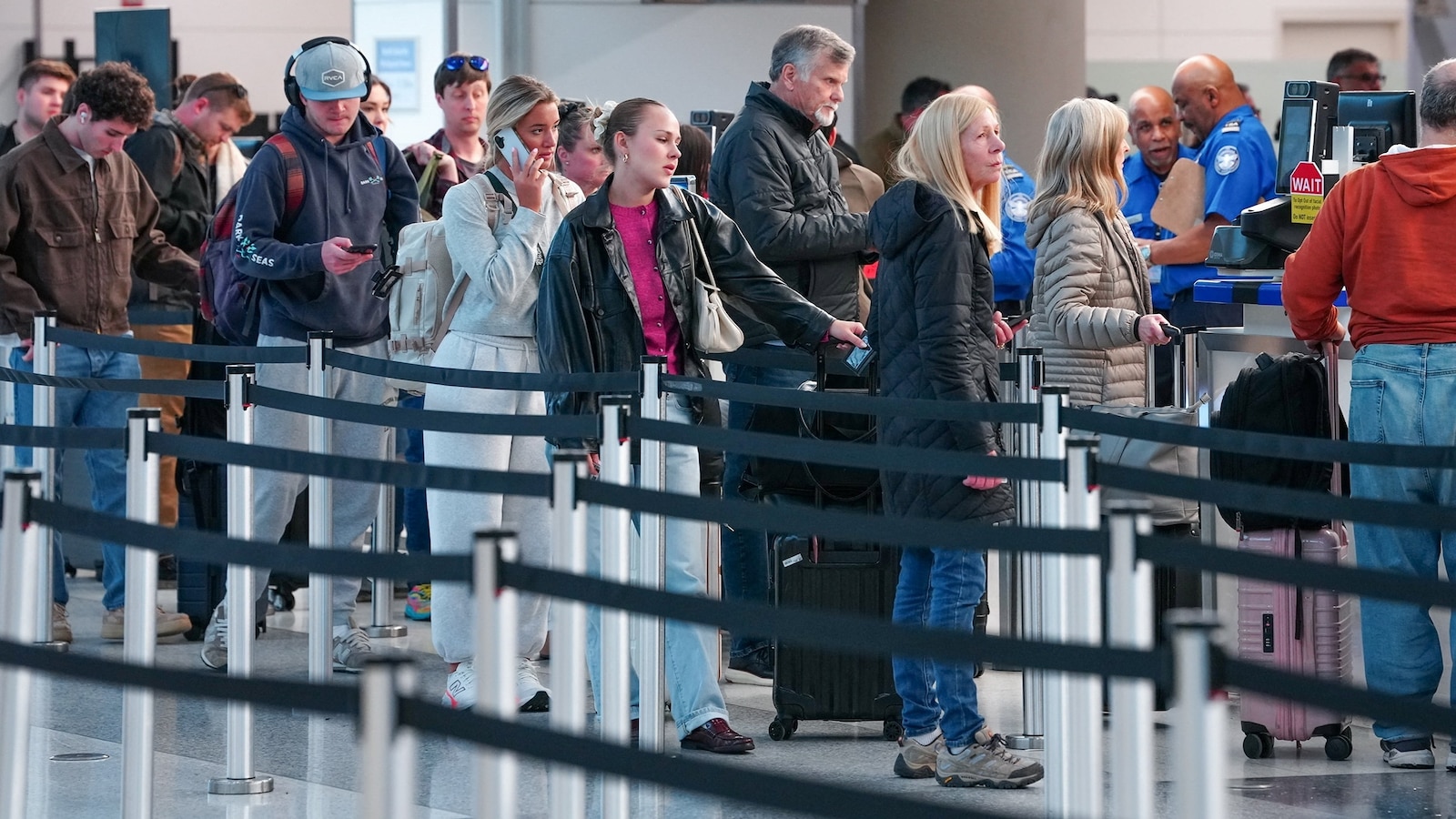
Air travel in America has become increasingly challenging for thousands of passengers navigating a perfect storm of complications. From unexpectedly long TSA security lines to severe weather disruptions causing ground stops, and widespread flight cancellations affecting travel plans nationwide, the aviation industry is testing travelers’ patience and resilience. These disruptions have created a critical need for passengers to become well-informed about their rights, the rebooking process, and strategies for obtaining refunds when their travel plans go awry. Whether you’re a frequent business traveler or planning a long-awaited family vacation, understanding how to navigate these turbulent situations can mean the difference between a minor inconvenience and a travel nightmare. The key to successfully managing flight disruptions lies in knowing your rights as a passenger, understanding what airlines are legally required to provide, and having a toolkit of strategies ready to deploy when things don’t go according to plan. In today’s complex air travel environment, being proactive and informed isn’t just helpful—it’s essential for protecting your time, money, and sanity.
Your Legal Rights: What Airlines Must Do for Passengers
The Department of Transportation has established clear regulations that protect passengers when their flights are disrupted, and every traveler should understand these fundamental rights. Federal law mandates that airlines must provide automatic, prompt refunds in the original form of payment for the full amount of purchased tickets and related service fees within 20 days of a cancellation. This protection applies regardless of the reason for the cancellation—whether it’s due to mechanical issues, crew problems, weather, or any other factor. If an airline cancels your flight and you choose not to continue with your travel plans, you are legally entitled to a full refund, no questions asked. However, it’s important to understand the nuances of these regulations. Passengers do have the option to accept alternative travel arrangements or travel credits instead of refunds, but this choice is entirely yours to make. The regulations define “significant disruptions” with specific timeframes: delays of three hours or more for domestic flights and six hours or more for international flights qualify passengers for refunds if they choose not to travel. Additionally, if your checked baggage is delayed beyond 12 hours for domestic flights or 15-30 hours for international flights, you’re entitled to refunds on your bag fees. Understanding these specific thresholds empowers you to make informed decisions about whether to wait for your delayed flight or request a refund and make alternative arrangements.
Becoming Your Own Best Advocate in Travel Emergencies
When faced with significant flight disruptions, the most important thing to remember is that you must advocate for yourself—airlines won’t always automatically provide the best solutions for your situation. Clint Henderson, managing editor of the travel website The Points Guy, emphasizes that passengers need to take charge of their rebooking efforts rather than depending solely on airline representatives. During major disruptions, you’re competing with hundreds or even thousands of other affected passengers for limited seats on alternative flights, which means passive waiting rarely yields good results. Having a backup plan is crucial: Can you take a train to your destination? Is there another airport within reasonable distance that might have available flights? Could you drive part of the way and fly from a different city? These are questions you should be asking yourself the moment you learn about a significant delay or cancellation. Henderson notes that during massive weather events when passenger rights are limited, standing in long rebooking lines at the airport often proves futile. Instead, he recommends reaching out to airlines through social media platforms, particularly Twitter (now X), where customer service teams can often provide faster assistance and alternative flight options. Understanding which other airlines service your route is also valuable information, as your carrier may be willing to rebook you on a competitor’s flight, especially if you can identify specific alternative options for the customer service agent.
Smart Strategies for Weather-Related Disruptions
Winter weather and severe storms have caused thousands of flight cancellations across the United States, and knowing how to navigate these predictable disruptions can save you significant stress and expense. Airlines have become increasingly proactive about issuing weather waivers that allow passengers to rebook without change fees in advance of major storms. Henderson’s advice during these situations is straightforward: don’t even try to fly during a major storm if you can avoid it. Instead, take advantage of weather waivers to rebook your flight for later in the week or, if your schedule permits, travel earlier before the storm hits. If you’re planning a short trip that you know will be severely impacted by weather, sometimes the best strategy is to cancel entirely, accept an airline voucher for the ticket cost, and reschedule for a better time. This approach can save you from spending hours in airports, sleeping on terminal floors, or dealing with the cascade of problems that major weather events create for the airline system. Being flexible with your travel dates during volatile weather periods isn’t just convenient—it’s often the only practical way to reach your destination without days of delays and frustration. Modern technology gives travelers unprecedented access to weather forecasts and airline operational information, so there’s no excuse for being caught completely off guard by predictable disruptions.
Leveraging Technology and Credit Card Benefits
In today’s digital age, travelers have numerous technological tools at their disposal that can make navigating flight disruptions significantly easier. Booking flights with credit cards that offer trip delay and interruption insurance provides an additional safety net when unexpected problems arise, potentially covering expenses like hotel stays, meals, and alternative transportation. Flight tracking applications like Flighty and FlightRadar24 allow you to monitor exactly where your inbound aircraft is coming from, enabling you to make educated guesses about whether your flight will actually depart as scheduled. For example, if you’re scheduled to fly from New York but your aircraft is coming from Chicago where there’s a major storm, you can reasonably predict potential delays before the airline officially announces them. Every traveler should have their airline’s official app installed on their smartphone for real-time flight monitoring and the ability to make changes quickly. Henderson also recommends saving your airline’s customer service phone number directly to your contacts, along with their international office numbers, which sometimes have shorter wait times and can provide equivalent assistance. These technological tools transform you from a passive passenger waiting for information into an active participant who can anticipate problems and take preemptive action, often securing better alternatives before most other passengers even realize there’s an issue.
Comprehensive Tactics for Resolving Flight Problems
Successfully navigating flight disruptions requires using every available resource at your disposal—what Henderson calls “all the tools in the toolbox.” This means simultaneously working multiple channels rather than relying on just one approach. While you’re waiting on hold with the customer service phone line, you should also be sending direct messages through the airline’s social media accounts and checking the airline app for self-service rebooking options. If you’re already at the airport, visit the customer service desk, but don’t just stand in the longest line—look for alternative locations like ticketing counters or, if you have access, airline lounges, which often have dedicated agents with much shorter waits. Many airlines allow elite status members or those with access to premium services to use special phone lines with shorter hold times, and some credit cards provide this benefit as well. Understanding your airline’s policies on rebooking, compensation, and passenger amenities during disruptions puts you in a stronger negotiating position when speaking with representatives. Remember that gate agents and customer service representatives deal with frustrated passengers all day, so approaching them with courtesy, patience, and specific requests rather than vague complaints typically yields better results. Being prepared with alternative flight options, knowing which routes and airlines could get you to your destination, and having flexibility in your travel times all make you a more informed consumer who can work with airline representatives to find workable solutions rather than simply accepting whatever they initially offer.