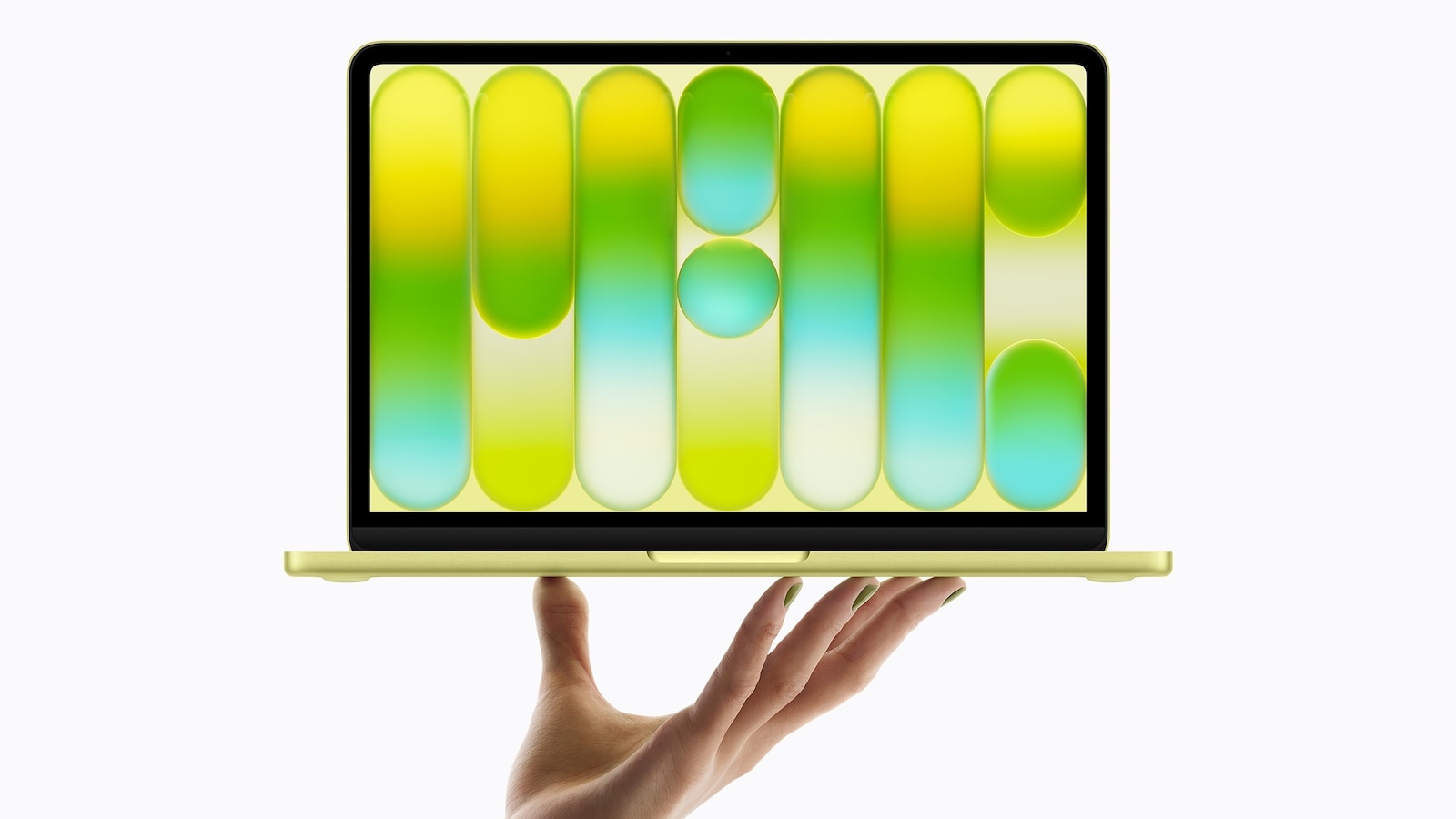

Apple’s Game-Changing MacBook Neo: Making Premium Computing Accessible to Everyone
A Bold Move Toward Affordability
Apple has long been synonymous with premium pricing, but the tech giant is breaking its own mold with the introduction of the MacBook Neo, set to launch on March 11. This new laptop represents a significant shift in Apple’s strategy, with a starting price of just $599—or an even more attractive $499 for students and educators. To put this in perspective, that’s roughly half the cost of the MacBook Air, making it the most affordable Mac laptop Apple has ever produced. In an exclusive interview with ABC News’ Elizabeth Schulze following the product reveal, John Ternus, Apple’s senior vice president of hardware engineering, explained the company’s rationale behind this groundbreaking release. “We saw an opportunity here to really just reach a lot more people than we ever have before,” Ternus stated enthusiastically. He emphasized that despite the lower price point, the MacBook Neo doesn’t compromise on quality: “It’s solid, it’s reliable, it’s durable, it’s all the things you want a Mac to be. And yeah, that’s an amazing price point.” This move positions Apple to compete more directly with budget-friendly alternatives like Google Chromebooks and HP laptops, which have dominated the education market for years due to their affordability and practicality.
Premium Features at an Unprecedented Price
The MacBook Neo may be budget-friendly, but it certainly doesn’t look or feel like a budget device. Apple has equipped this new laptop with features that maintain the company’s reputation for quality and design excellence. The device sports a durable aluminum construction, a hallmark of Apple’s commitment to premium materials and build quality. At the heart of the Neo is a 13-inch Liquid Retina display, offering the crisp, vibrant visuals that Apple users have come to expect. Powering this display and the entire system is an Apple silicon processor—the same type of chip technology that revolutionized the company’s laptop lineup in recent years. Perhaps most impressively for a laptop at this price point, the MacBook Neo promises all-day battery life, addressing one of the most common concerns for students and professionals who need their devices to last through long days of classes or work. The key to achieving such an attractive price point, Ternus revealed, lies in Apple’s innovative approach to components. The company utilized a computer chip that was previously exclusive to iPhones, demonstrating how Apple’s integrated ecosystem and vertical integration allow it to repurpose technology across different product lines in creative ways.
A Colorful Return to Apple’s Playful Roots
Beyond the technical specifications, the MacBook Neo makes a bold statement with its design aesthetics, particularly its color options. Available in blush, indigo, silver, and a brand-new citrus hue, the laptop evokes a sense of nostalgia for Apple’s iconic candy-colored iMacs from the 1990s—a time when the company, under Steve Jobs’ leadership, wasn’t afraid to make computers that were as much about personal expression as they were about functionality. “We built this system new from the ground up, with color in mind,” Ternus explained, highlighting the intentionality behind the design choices. “It was an opportunity for our design team to do something really expressive with this product.” This approach represents more than just an aesthetic choice; it signals Apple’s understanding that the target audience for the MacBook Neo—students, educators, and first-time Mac buyers—might appreciate a device that reflects their personality and stands out from the sea of silver and gray laptops that dominate most classrooms and coffee shops. The vibrant color palette makes technology feel more approachable and less intimidating, particularly for younger users who are growing up in a world where personal devices are extensions of their identity.
Addressing the Elephant in the Room: Why Now?
Many Apple observers and potential customers have wondered why it took the company so long to introduce a truly affordable laptop option. After all, competitors have offered budget-friendly alternatives for years, steadily capturing market share in the education sector and among price-conscious consumers. Ternus addressed this question head-on, explaining that Apple’s approach has always been about quality over speed. “We didn’t want to do it until we could do it really, really well and build a Mac that we were proud of,” he stated. “That’s why the bar is high.” This response encapsulates Apple’s philosophy of not rushing to market with half-baked products just to match competitors on price. Instead, the company waited until it could leverage its technological advances—particularly in chip design and manufacturing efficiency—to create a laptop that genuinely meets Apple’s exacting standards while hitting an unprecedented price point. This patience, while frustrating for some consumers who might have switched to Windows or Chrome OS in the interim, reflects the company’s commitment to its brand values and reputation for quality.
Artificial Intelligence: The Invisible Enhancement
As the conversation shifted to broader company strategy, Ternus discussed how artificial intelligence will increasingly become woven into the fabric of all Apple products, including the MacBook Neo. Features like automatic translation, photo enhancement, and other AI-powered capabilities will be integrated seamlessly into the user experience through what Apple calls “Apple Intelligence.” Ternus’s vision for AI integration is notably different from some competitors who make artificial intelligence a headline feature. “I think Apple Intelligence is going to continue to grow, and it’ll just make things you do better and easier. And if we’re doing it right, you know, people won’t even really necessarily notice or think about it,” he explained. “They’ll just have a new feature that they start using more and more because they really like it.” This approach reflects Apple’s historical emphasis on user experience over technical specifications. When Schulze brought up concerns that Apple might be falling behind competitors in the AI race, Ternus was quick to clarify the company’s priorities: “We’ve always focused on delivering the experience.” This response suggests that Apple isn’t interested in being first to market with flashy AI features that might not be fully refined; instead, the company prefers to introduce AI capabilities that genuinely improve users’ daily interactions with their devices in meaningful, practical ways.
Leadership, Legacy, and Looking Forward
The interview concluded with a more personal topic: the ongoing speculation about Tim Cook’s eventual successor as Apple CEO, with many industry watchers pointing to Ternus as a likely candidate given his prominent role in the company’s hardware strategy. When asked about potentially stepping into Cook’s shoes one day, Ternus gracefully sidestepped the question while expressing genuine enthusiasm for his current position. “Well, the good news is, I love the job I have,” he responded. “I get to work with the most amazing people in the world, and on days like today when we’ve announced all these products, it is the best place to be.” This diplomatic answer reveals someone who understands the speculative nature of succession discussions while remaining focused on the work at hand. The launch of the MacBook Neo represents exactly the kind of achievement that makes Ternus’s current role so fulfilling—it’s a product that could potentially bring millions of new users into the Apple ecosystem, democratizing access to the company’s renowned user experience and build quality. For students who previously couldn’t afford a Mac, educators working within tight school budgets, and anyone seeking a reliable laptop without breaking the bank, the MacBook Neo represents more than just a new product; it’s an invitation into Apple’s world that’s finally within reach.