


Close Call at LAX: Frontier Airlines Plane Narrowly Avoids Collision with Ground Vehicles
A Frightening Moment on the Taxiway
In a heart-stopping incident that could have ended in tragedy, a Frontier Airlines aircraft carrying 217 passengers and seven crew members came dangerously close to colliding with two trucks on a taxiway at Los Angeles International Airport. The Federal Aviation Administration has launched a full investigation into the near-miss, which, thankfully, resulted in no injuries. However, the incident has raised serious questions about ground traffic safety protocols at one of America’s busiest airports. The pilot’s voice, captured in air traffic control recordings, revealed the gravity of the situation and the split-second decision-making that prevented what could have been a catastrophic accident. The shaken pilot’s immediate concern for the flight attendants in the rear of the aircraft demonstrated not only the severity of the emergency braking required but also the professional dedication of the flight crew to passenger safety.
The Pilot’s Perspective: “Closest I’ve Ever Seen”
The audio recordings from air traffic control paint a vivid picture of just how close this call was. The Frontier Airlines pilot, clearly rattled by the experience, radioed controllers to report that “two trucks cut us off” and that the crew “had to slam on the brakes to not hit them.” What makes this testimony particularly compelling is the pilot’s own assessment of the danger – a seasoned aviation professional stating it was the “closest I’ve ever seen” speaks volumes about the unusual and dangerous nature of this encounter. The pilot’s immediate need to check on the flight attendants suggests that the emergency braking was forceful enough to potentially cause injuries in the cabin, where crew members might have been standing or passengers might not have been properly secured. Fortunately, the plane was traveling at relatively low taxiing speeds, estimated at around 15 miles per hour, which gave the pilots just enough reaction time to avoid impact. The pilot’s comment that “it happened so fast” underscores how even experienced aviators can be caught off-guard by ground traffic incidents, and how quickly a routine taxi operation can turn into an emergency situation.
Understanding LAX’s Complex Ground Traffic System
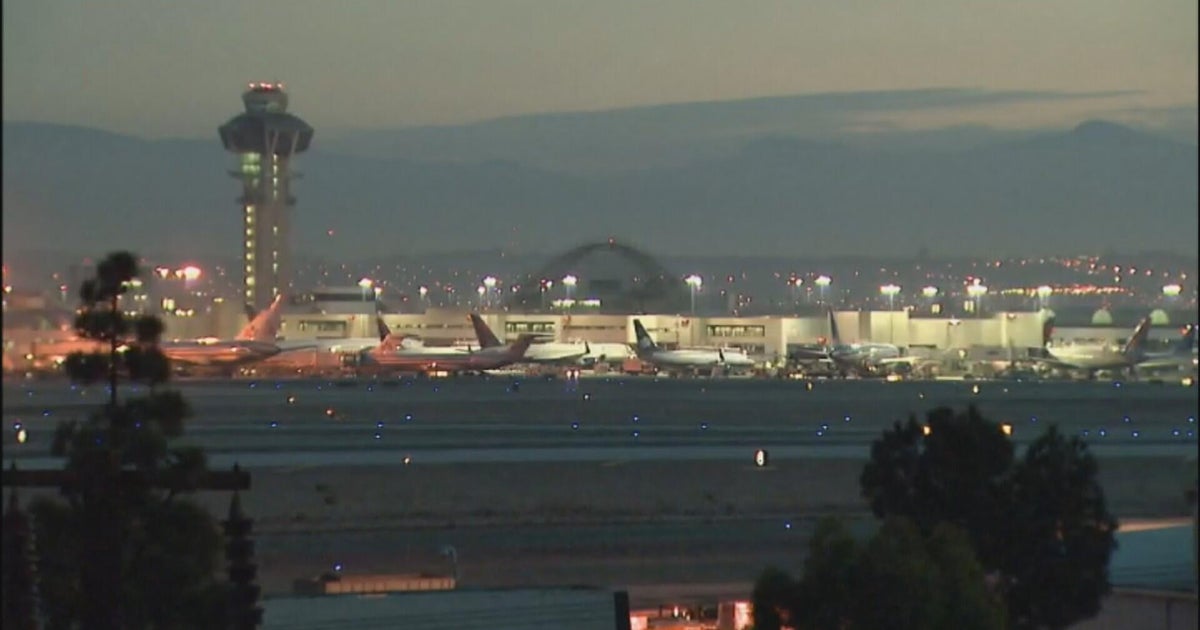
Los Angeles International Airport operates as a small city unto itself, with an intricate network of taxiways, service roads, and intersections that must accommodate both aircraft and ground vehicles. Brian Sinclair, a former F-18 pilot who now serves as an instructor at the U.S. Naval Academy, provided crucial insight into one of LAX’s significant operational challenges: blind spots. According to Sinclair, there are three specific locations at LAX where air traffic controllers in the tower cannot see the taxiways due to the airport’s layout and infrastructure. This limitation in visual oversight creates potential danger zones where ground vehicles and aircraft might converge without controllers being able to intervene or provide timely warnings. The airport’s ground traffic operates with separate lanes designated for cars and planes, similar to highway systems, but unlike highways, the consequences of a collision involve passenger-filled aircraft. CBS News senior transportation correspondent Kris Van Cleave explained that while these separate lanes exist, there are inevitable intersection points where the paths cross, and traditional “rules of the road” must apply, with smaller vehicles yielding to the larger, harder-to-maneuver aircraft.
Comparing Incidents: LAX Versus LaGuardia
To put the LAX incident in proper perspective, experts have drawn comparisons with the tragic collision that occurred at New York’s LaGuardia Airport the previous month, which resulted in the deaths of two pilots. However, Kris Van Cleave was quick to point out the considerable differences between these two incidents, which should not be conflated despite both involving ground vehicles and aircraft. The LaGuardia tragedy involved emergency response vehicles that were crossing an active runway under direct air traffic control coordination, and the aircraft was traveling at significantly higher takeoff speeds rather than taxiing speeds. At LAX, the Frontier plane was moving at approximately 15 miles per hour during the near-miss, a speed that, while still dangerous, provided enough time for the pilots to react and brake. The LaGuardia incident occurred during the high-risk phase of takeoff, when aircraft are accelerating and pilots have limited ability to abort without catastrophic consequences. These distinctions are important for understanding that while both incidents highlight ground safety concerns, they represent different types of operational risks that may require different solutions and protocols.
The Silver Lining: Learning Without Loss
Despite the frightening nature of the LAX close call, aviation experts see a valuable opportunity in what Brian Sinclair described as a “get-out-of-jail-free lesson learned.” Drawing on his two decades of experience in naval aviation, Sinclair noted that throughout his career, many important safety improvements came about only after fatalities occurred – lessons that were, as he poignantly stated, “written in blood.” The LAX incident represents a rare chance to identify and address a serious safety gap without the tragedy of lost lives or destroyed equipment. This perspective is crucial in aviation safety culture, where near-misses are treated with the same investigative rigor as actual accidents because they reveal systemic vulnerabilities that could lead to disasters if left unaddressed. The incident has already prompted questions about LAX’s ground traffic management, the visibility limitations faced by air traffic controllers, and the protocols that govern interactions between aircraft and service vehicles on taxiways. As of the investigation’s early stages, LAX has not released information about who was driving the trucks or under what authority they were operating in that area at that time, information that will be crucial to understanding how the near-collision occurred and how similar incidents can be prevented.
Moving Forward: Safety Improvements on the Horizon
The Frontier Airlines close call at LAX serves as a wake-up call for the aviation industry about the often-overlooked risks of ground operations. While most public attention focuses on the dramatic aspects of flight – takeoffs, landings, and in-flight safety – the reality is that taxiing and ground movement represent significant risk periods, particularly at major airports with complex layouts and heavy traffic. Frontier Airlines appropriately praised their pilots for their quick thinking and professional response, which undoubtedly prevented injuries or worse. The incident highlights the need for potential improvements in several areas: enhanced visibility solutions for air traffic controllers at known blind spots, possibly through additional camera systems or sensor technology; clearer protocols for ground vehicle operations near taxiways; better communication systems between ground vehicle operators and air traffic control; and perhaps physical infrastructure changes to better separate aircraft and vehicle traffic at critical intersection points. The FAA’s investigation will likely examine all these factors and more, with recommendations that could influence operations not just at LAX but at airports nationwide. The 217 passengers aboard that Frontier flight probably had no idea how close they came to being part of an aviation disaster, and thanks to alert pilots and a bit of luck, they continued on their journey safely. Their close call, however uncomfortable for those involved, may ultimately save lives by spurring improvements that prevent an actual tragedy in the future.