


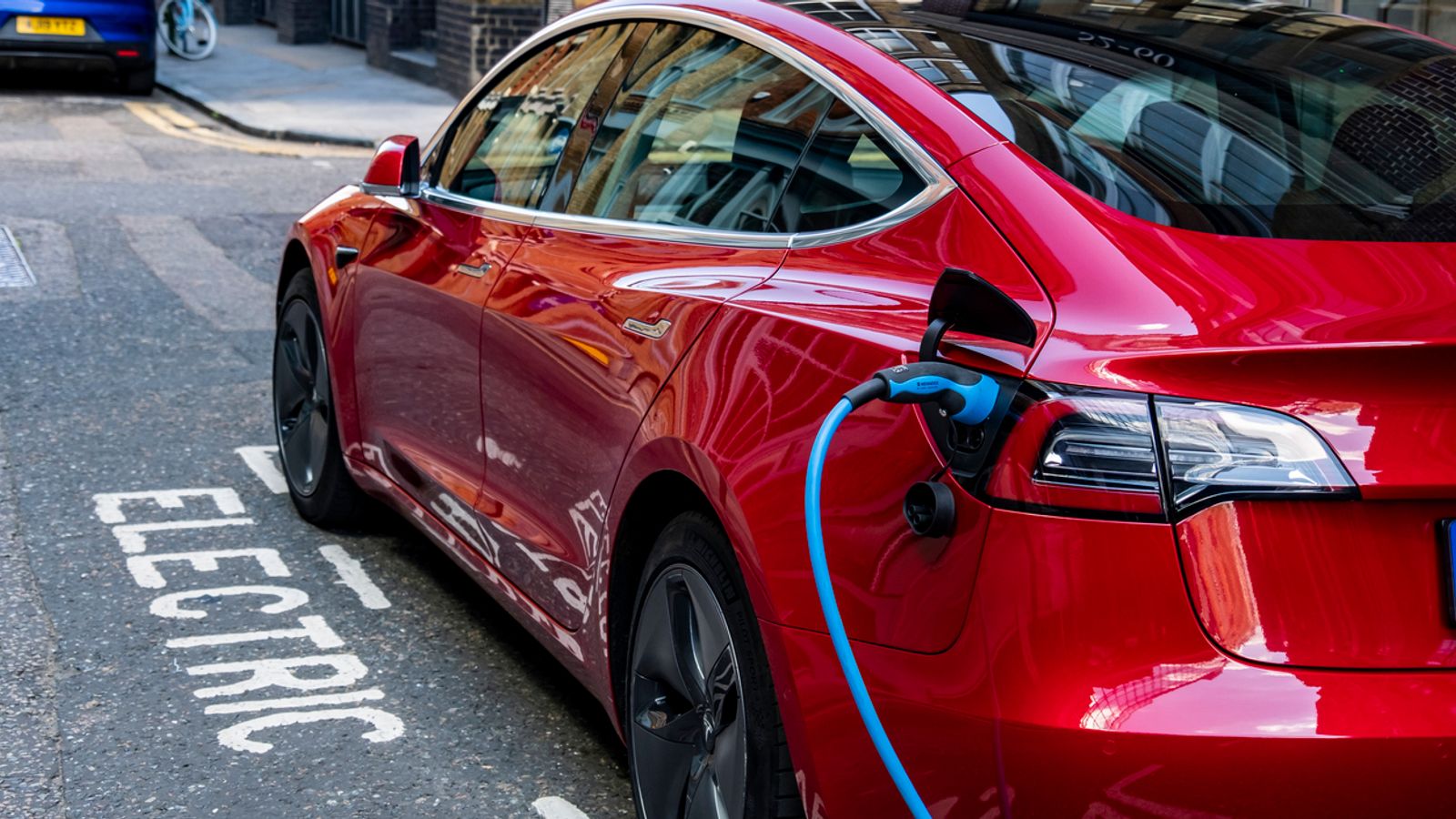

China Bans Hidden Door Handles on Electric Vehicles: A Major Safety Reform
A Groundbreaking Safety Decision
In a pioneering move that puts passenger safety above sleek automotive design, China has announced it will become the first country in the world to ban hidden door handles on electric vehicles. This decision, set to take effect from January 2027 for new vehicle models, represents a significant shift in how the world’s second-largest economy – and one of its biggest electric car manufacturers – approaches vehicle safety standards. The announcement from China’s Ministry of Industry and Information Technology marks a clear departure from one of the signature design features that have become synonymous with modern electric vehicles, particularly those produced by industry leader Tesla and its Chinese competitors. While hidden door handles have been celebrated for their aerodynamic benefits and futuristic aesthetic appeal, Chinese regulators have determined that the potential risks to passenger safety simply cannot be ignored any longer.
Understanding the Safety Concerns Behind the Ban
The decision to prohibit hidden door handles didn’t emerge from nowhere – it’s rooted in genuine safety concerns that have manifested in real-world accidents involving electric vehicles. The primary issue centers on incidents where electronic door mechanisms have failed during emergencies, leaving passengers trapped inside vehicles when they needed to escape quickly. These situations have proven particularly dangerous in accidents involving fires or water submersion, where every second counts. Hidden door handles, which typically operate through electronic systems activated by key fobs, mobile phones, or manual pressing, can become inoperable during power failures or system malfunctions – precisely the scenarios that often occur during serious accidents.
The problem isn’t merely theoretical. Last year, the US National Highway Traffic Safety Administration found the concerns serious enough to launch an investigation into Tesla’s door release controls, examining whether the design posed unnecessary risks to occupants. These investigations, combined with reported incidents in China and elsewhere, have highlighted a fundamental tension in modern vehicle design: the balance between innovation and practicality, between aesthetic appeal and fail-safe functionality. When a vehicle’s electrical systems are compromised – whether through accident damage, battery failure, or fire – passengers need a reliable, mechanical way to exit the vehicle. Electronic-only systems, no matter how sophisticated, simply cannot guarantee this level of reliability in all circumstances.
What the New Regulations Require
China’s new safety technical requirements are comprehensive and specific, leaving little room for ambiguity about what manufacturers must provide. Under these regulations, every car door must be equipped with both exterior and interior handles that include mandatory mechanical releases – essentially, backup systems that work without any electronic assistance. The only exception to this rule applies to car boots (trunks), which are not typically used for passenger evacuation during emergencies. The regulations go beyond simply requiring mechanical handles to exist; they also establish clear standards for where these handles must be located and precisely how they should function to ensure they can be operated effectively during emergency situations.
Importantly, the interior handles must be clearly visible to occupants, addressing concerns that some current designs make emergency releases difficult to locate or identify, especially for passengers unfamiliar with the vehicle or in high-stress situations. The implementation timeline shows consideration for the automotive industry’s production cycles: new vehicle models must comply starting January 1, 2027, while previously approved models have until January 1, 2029, to meet the new standards. This staggered approach gives manufacturers time to redesign and retool their production lines while still prioritizing safety improvements within a reasonable timeframe.
The Tesla Factor and Industry Impact
Tesla’s influence on this story cannot be overstated – the American electric vehicle manufacturer essentially pioneered the hidden door handle design that has become so widespread throughout the EV industry. The sleek, flush-mounted handles that retract into the vehicle’s body when not in use have become a signature element of Tesla’s design language, contributing to both the vehicles’ distinctive appearance and their aerodynamic efficiency. Chinese electric vehicle manufacturers, eager to compete with Tesla’s popular models, quickly adopted similar design approaches, making hidden handles something of an industry standard for premium electric vehicles in the Chinese market and beyond.
Tesla has been contacted for comment on China’s new regulations, but the company hasn’t yet publicly responded to the policy announcement. The implications for Tesla and other manufacturers are significant – they’ll need to either redesign their door handle systems entirely or develop hybrid solutions that maintain some of the aerodynamic benefits while incorporating reliable mechanical backup systems. This challenge extends beyond Tesla to include numerous Chinese EV manufacturers like BYD, NIO, XPeng, and others who have embraced similar design philosophies. The ban represents a substantial validation of concerns that safety advocates have raised about prioritizing form over function in vehicle design, particularly in a market segment where innovation sometimes moves faster than regulatory frameworks.
Broader Implications for the Electric Vehicle Industry
China’s decision carries weight far beyond its own borders, given the country’s position as the world’s largest electric vehicle market and one of its most influential automotive manufacturing centers. When China sets new standards, particularly regarding safety, other countries often take notice and consider similar measures. The European Union and the United States, both of which have robust automotive safety regulatory frameworks, may well examine China’s approach and evaluate whether similar rules should be implemented in their markets. This could eventually lead to a global reassessment of door handle designs across the electric vehicle industry.
The timing of this ban is particularly significant as electric vehicle adoption continues to accelerate worldwide. With nearly one in four new car buyers now choosing electric vehicles in many markets, ensuring these vehicles meet the highest safety standards becomes increasingly critical. The transition to electric mobility has brought numerous innovations and benefits, from reduced emissions to improved performance characteristics, but it has also introduced new safety considerations that regulators worldwide are still working to address comprehensively. Door handle accessibility during emergencies represents just one of many areas where the unique characteristics of electric vehicles require thoughtful regulatory attention.
Looking Ahead: Design Innovation Meets Safety Standards
This regulatory change presents both a challenge and an opportunity for automotive designers and engineers. The challenge lies in developing door handle systems that satisfy both safety requirements and design aspirations – solutions that provide reliable mechanical operation while still contributing to vehicle aesthetics and efficiency. The opportunity comes in spurring innovation toward better solutions that don’t require compromise. Some manufacturers may develop hybrid systems with both flush design elements and mechanical functionality, while others might explore entirely new approaches to door access that haven’t yet been conceived.
Ultimately, China’s ban on hidden door handles reflects a maturation of the electric vehicle industry, where initial enthusiasm for novel designs is being tempered by practical safety considerations learned through real-world experience. As the industry continues evolving, we can expect ongoing dialogue between innovation and regulation, between pushing boundaries and ensuring passenger protection. The hidden door handle ban serves as a reminder that no matter how advanced or appealing a vehicle’s features might be, the fundamental ability to safely enter and exit the vehicle – particularly during emergencies – must remain paramount. For consumers, this regulation represents a clear prioritization of their safety over aesthetic considerations, which should provide reassurance as electric vehicle adoption continues its rapid growth trajectory worldwide.