

Tragic Deaths in Cape Verde: Families Seek Answers After Holiday Nightmare
A Series of Devastating Losses
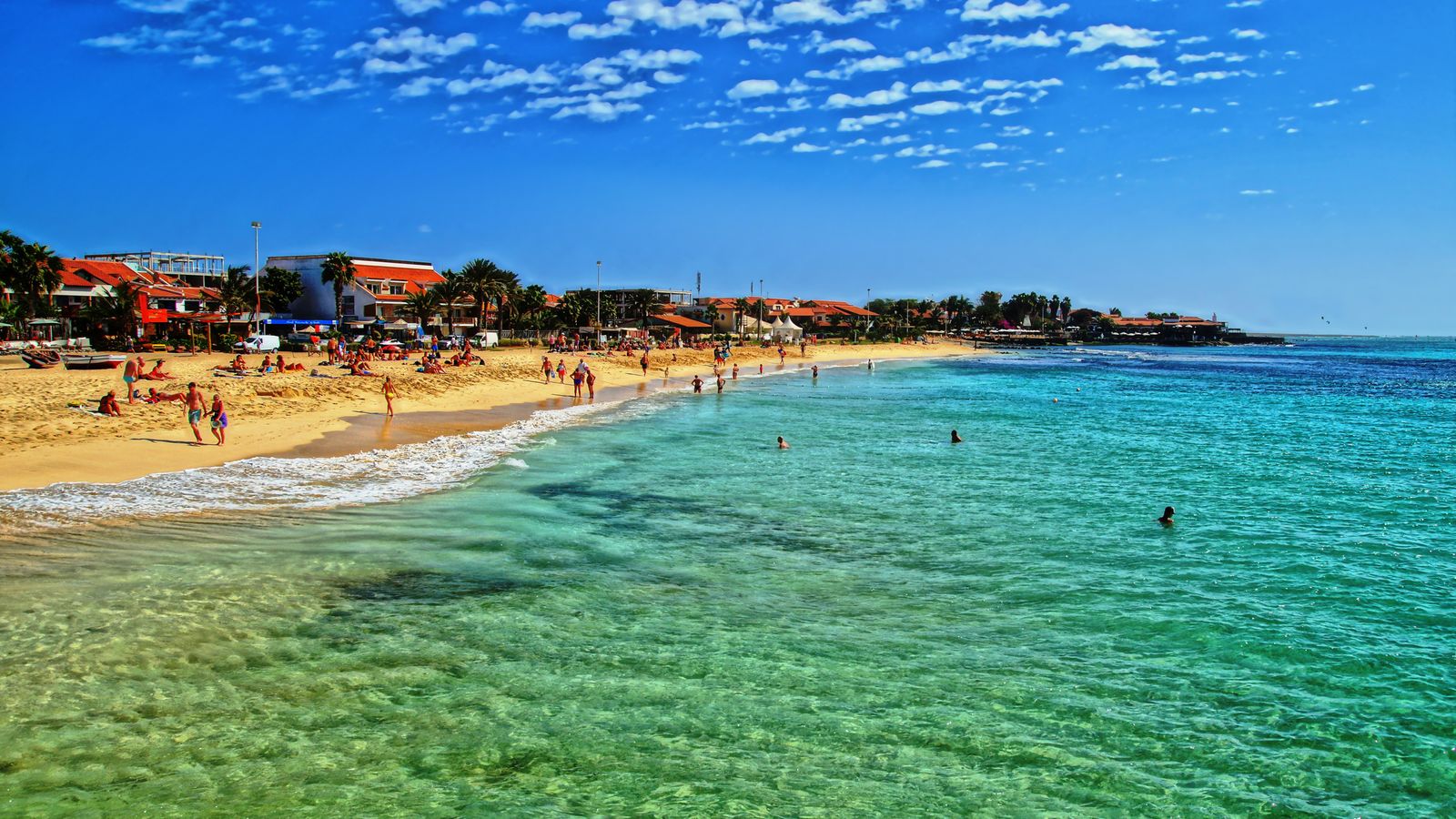
The paradise island destination of Cape Verde has become the center of a troubling investigation after six British tourists died following severe gastric illnesses contracted during their holidays there. Between January 2023 and late 2024, these vacationers traveled to the West African island nation expecting relaxation and sunshine, only to fall victim to devastating stomach bugs that would ultimately claim their lives. Law firm Irwin Mitchell has taken on the heartbreaking task of representing the families of these victims, while also working with more than 1,500 other British holidaymakers who have reported falling ill after visiting Cape Verde. The firm’s lawyers are now pursuing personal injury claims against tour operator Tui on behalf of the bereaved families, seeking both compensation and, more importantly, answers about what went so catastrophically wrong during what should have been memorable vacations for all the right reasons.
The Victims and Their Stories
Among the deceased was Elena Walsh, a 64-year-old woman from Birmingham who died in August of last year after contracting a severe illness during her stay at a resort on the island of Sal. Her death marked one of four fatalities that occurred within a remarkably short four-month window, raising serious questions about health and safety standards at Cape Verde resorts. Mark Ashley from Bedfordshire, who managed his diabetes effectively through medication, fell ill just three days into what was meant to be a relaxing October holiday. His symptoms were severe and included debilitating stomach pain, relentless diarrhea, persistent vomiting, high fever, and extreme lethargy that left him unable to enjoy any part of his vacation. Despite returning to the UK and attempting to recover at home, Mark’s condition had taken an irreversible toll on his body. On November 12th, he collapsed at the family home in Houghton Regis and was rushed to hospital, where he was pronounced dead just minutes after arrival, leaving his widow Emma and their family in complete shock and disbelief.
Karen Pooley, another 64-year-old victim from Gloucestershire, experienced perhaps the most harrowing ordeal of all. Just four days into her two-week holiday in October, she developed severe gastric symptoms that quickly deteriorated her condition. The following morning, in what can only be described as a cruel twist of fate, she slipped on water leaking from a refrigerator while attempting to reach the bathroom in her weakened state. The fall resulted in a broken left leg, but her gastric illness had already compromised her system so severely that she required emergency airlift to Tenerife for urgent medical care on October 16th. Tragically, despite the emergency intervention, Karen died the very next day. Her initial death certificate from Cape Verde authorities painted a grim picture, listing the causes of death as multiple organ failure, sepsis, cardio-respiratory arrest, and the broken leg sustained in the fall. Two additional British tourists—Jane Pressley, 62, who died in January 2023 after falling ill during a November 2022 holiday, and an unidentified man in his 60s who died in November 2024—round out the tragic toll, bringing the total number of deaths to six within less than two years.
Families Left Searching for Answers
The emotional toll on the families left behind cannot be overstated. Emma Ashley, Mark’s widow, described how their family remains in “complete shock” over his sudden death, explaining that they had booked their holiday through Tui at a cost of more than £3,000, expecting nothing more than a peaceful break from their daily routines. Instead, she found herself reporting her husband’s illness to Tui on October 9th, then watching helplessly as his symptoms persisted even after they returned home to the UK. The vacation that was supposed to rejuvenate them instead destroyed their family. Similarly, Andy Pooley, Karen’s husband, recounted the anguish of watching his wife deteriorate through video calls while she was hospitalized thousands of miles away. He described seeing her in “significant distress” during those calls and criticized what he characterized as poor communication from both the medical clinic treating her and the holiday provider who had sold them their dream vacation. “We were desperate for updates while watching Karen get worse,” he recalled, his words conveying the helplessness that distance and poor communication created during the most critical moments. “We’re devastated and struggling to understand how she went on holiday and never came home,” he added, capturing the incomprehensible reality that countless families face when a routine vacation turns into an unimaginable tragedy.
Legal Action and Industry Response
Irwin Mitchell’s serious injury lawyer Jatinder Paul has expressed his profound concern about the scale and severity of the situation in Cape Verde. With decades of experience supporting holidaymakers who have fallen ill at resorts worldwide, Paul stated that he has “never seen repeated and continued illness outbreaks at the same resorts on such a scale over such a period of time.” His statement underscores the exceptional nature of this crisis and suggests systemic problems rather than isolated incidents. The law firm is pursuing personal injury claims for damages against Tui on behalf of all six victims’ families, seeking not just financial compensation but accountability for what they believe represents a failure to ensure basic health and safety standards. Paul emphasized that while nothing can truly make up for the devastating losses these families have endured, the firm remains “determined to at least help establish the answers they deserve.” The families are asking fundamental questions about hygiene standards, food safety protocols, water quality, and overall resort management practices that should have prevented such widespread illness in the first place.
In response to these claims, Tui has stated that it is fully investigating all allegations and maintains that it ensures customers who fall ill while on holiday have access to appropriate care and assistance. However, the holiday provider also noted a complicating factor: sometimes individuals who become ill do not report their symptoms or seek support from Tui representatives during their stay, which inherently limits the level of care and assistance the company can provide. This statement, while perhaps technically accurate, offers little comfort to families who lost loved ones and raises questions about whether clearer communication protocols and more proactive health monitoring might have made a difference. The company’s response highlights the complex relationship between tour operators, local resort management, and the healthcare infrastructure in destination countries—a web of responsibility that can make accountability difficult to establish but remains essential for preventing future tragedies.
The Broader Implications and Call for Change
The staggering number of affected British tourists—more than 1,500 people who have reported falling ill after visiting Cape Verde—points to what Jatinder Paul described as an issue of truly alarming proportions. This isn’t simply a matter of a few unfortunate cases of travelers getting mildly sick from unfamiliar food or water; this represents a pattern of serious, debilitating, and in some cases fatal gastric illnesses that suggest fundamental problems with hygiene, food handling, water treatment, or some combination of these critical safety factors. Irwin Mitchell has issued a broader call to action, urging tour operators to work collaboratively with local authorities in Cape Verde to ensure the highest hygiene and safety standards are consistently upheld across all resorts and tourist facilities. This recommendation acknowledges that solving the problem requires cooperation between British tourism companies and Cape Verdean health and hospitality regulators—neither can address the issue effectively in isolation.
The deaths of Elena Walsh, Mark Ashley, Karen Pooley, Jane Pressley, and the two other British tourists serve as a sobering reminder that holiday safety cannot be taken for granted, even when booking through established tour operators and staying at seemingly reputable resorts. These families trusted that basic health and safety standards would be maintained, that the water would be safe to drink, that food would be properly prepared and stored, and that their accommodations would meet minimum hygiene requirements. That trust was catastrophically betrayed. As the investigations continue and the legal claims progress through the system, these families hope that their losses will at least result in meaningful changes that protect future travelers from experiencing similar tragedies. Their loved ones cannot be brought back, but perhaps their deaths can serve as a catalyst for reforms that save lives going forward—a small measure of meaning in otherwise senseless losses that have shattered families and stolen futures that should have been filled with many more years of love, laughter, and yes, safe holidays together.