

Trump Takes Center Stage at Davos: A New Era of Economic Disruption
The End of an Era: From Virtual Warnings to In-Person Power Plays
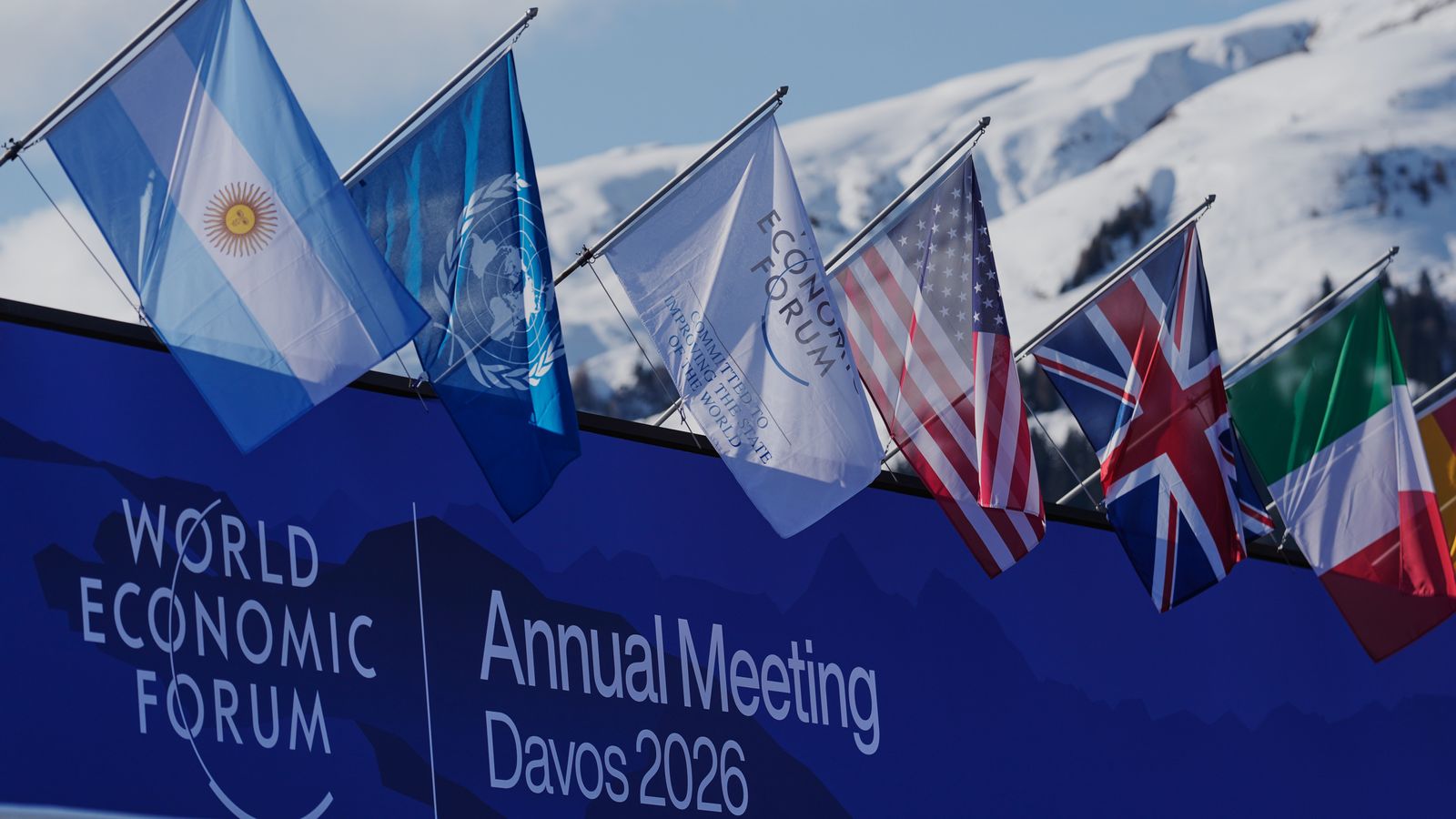
A year ago, Donald Trump appeared on screens at the World Economic Forum in Davos, delivering a message that sent shockwaves through the gathered elite. His virtual address from Washington served as a stark warning: the comfortable world of free trade and liberal economics that had been celebrated annually in the Swiss Alps was coming to an end. European leaders and central bankers left those presentations uncertain, perhaps hopeful that Trump’s rhetoric was mere bluster. Fast forward twelve months, and all doubts have evaporated. This year, Trump won’t be speaking from afar—he’s bringing the message directly to Davos, leading an unprecedented 80-person American delegation that includes five cabinet members and his closest policy advisors. This massive show of force represents more than just attendance at a conference; it’s a deliberate demonstration of American power at what remains the world’s most important gathering of business and political leaders. The days of questioning Trump’s seriousness are over, replaced by a new reality where economic nationalism and transactional diplomacy have become the governing principles of American foreign policy.
Chaos as Policy: Tariffs, Threats, and Transatlantic Tensions
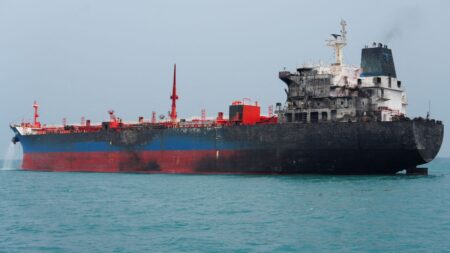
The Trump administration arrives in Switzerland trailing policy turbulence like jet exhaust. The threats of tariffs against Greenland’s Nordic allies—including the United Kingdom and other northern European nations—represent the most serious fracture in transatlantic relations in generations. Yet this isn’t an aberration or diplomatic mistake; it’s entirely consistent with Trump’s worldview that sees economic weapons as legitimate tools to deploy against friends and foes alike. Just two weeks before Davos, the world witnessed the return of American gunboat diplomacy in Venezuela, where the stated goal appeared less about promoting democracy and more about securing oil reserves, with 50 million barrels mentioned as an initial payment. Meanwhile, global economies are still adjusting to the fallout from last April’s indiscriminate “Liberation Day” tariffs. This constant state of economic disruption has become the new normal, keeping businesses, governments, and markets perpetually off-balance. What comes next remains uncertain, heavily dependent on Trump’s unpredictable decision-making, but Davos at least offers a neutral ground where negotiations might occur and relationships might be repaired—or further damaged.
The Global Stage: Who’s There and Who’s Missing
The gathering in Davos this week represents an extraordinary concentration of global power, with leaders from six of the seven G7 nations making the journey to Switzerland. British Prime Minister Sir Keir Starmer is notably absent from this lineup, though circumstances could potentially change. French President Emmanuel Macron and EU President Ursula von der Leyen are both scheduled to deliver major addresses on Tuesday, laying out Europe’s position in response to American economic aggression. Sandwiched between their speeches will be remarks from Chinese Vice Premier He Lifeng, who may be one of the few participants genuinely enjoying the spectacle of traditional Atlantic allies turning on each other—a development that serves Beijing’s strategic interests perfectly. Beyond the political leaders, senior executives from the world’s most powerful corporations will be present: tech giants, major banks and investment firms, oil and gas conglomerates, and mining companies. Ukrainian President Volodymyr Zelenskyy may also attend, though he faces the challenge of competing for American attention at a moment when diplomatic focus has shifted away from the reconstruction of his war-torn nation. The original expectation was that Ukraine would dominate discussions, with conversations centered on leveraging Western capital for post-war rebuilding. Instead, Trump’s presence and his economic nationalism have hijacked the agenda.
Behind the Scenes: Where the Real Work Gets Done
Davos has earned its reputation—and its notoriety—precisely because it attracts the wealthiest and most powerful people on the planet to a single location for several intense days. Skeptics have long questioned what actually happens at this annual gathering, and their cynicism isn’t entirely misplaced. On the surface, the World Economic Forum operates as part conference, part trade fair, and part global summit, featuring countless panels and discussions that promise “thought leadership” on themes broadly supporting the WEF’s neoliberal economic mission—essentially, to save the world while making money in the process. But the public programming represents only a fraction of Davos’s real value. Behind closed doors, away from cameras and journalists, Davos functions as an unparalleled deal-making paradise. The true measure of the forum’s importance isn’t found in the speeches or panel discussions, but in the number of blue-chip chief executives who attend faithfully every year without ever speaking publicly, appearing on panels, or answering media questions. As one CEO candidly explained: “I can do more valuable meetings in three days in Davos than in three months at home.” This concentration of decision-makers creates opportunities that simply don’t exist anywhere else, where chance encounters in hallways can lead to billion-dollar transactions and casual conversations over coffee can reshape industries.
The British Delegation: Fighting for Attention in a Crowded Room
Among those hoping to capitalize on Davos’s unique environment are government representatives eager to make their case for investment to corporations capable of delivering capital, jobs, and economic growth. British Chancellor Rachel Reeves will lead her country’s delegation this year, with a schedule that includes panel appearances and a round-table meeting with business leaders convened by Jamie Dimon, head of JPMorgan, one of the world’s largest and most influential banks. For Reeves and the British government, the challenge will be getting their message heard above the diplomatic noise created by Trump’s presence and his disruptive policies. Britain is seeking to attract foreign investment at a time when economic uncertainty clouds the global landscape, when traditional alliances are being questioned, and when the rules-based international order appears increasingly fragile. The UK’s post-Brexit position makes these investment relationships even more critical, as the country works to define its economic identity outside the European Union while maintaining close ties with both European partners and the United States. Reeves will be making her pitch at a moment of maximum confusion about the direction of Western economic policy, which could either work in her favor—if investors seek stability—or against her, if capital flows toward the American market regardless of Trump’s unpredictability.
A New Kind of Deal-Making: When Politics Trumps Commerce
This year’s World Economic Forum may mark a historic shift in the nature of deal-making at Davos. Traditionally, the most valuable agreements reached in the Swiss snow have been commercial—mergers and acquisitions, investment commitments, technology partnerships, and trade arrangements. But as Trump’s arrival dominates preparations and shapes the agenda, the most important deals sealed this year may be political rather than purely economic. The transatlantic relationship requires urgent repair, European unity needs reinforcement in the face of American pressure, and smaller nations caught between great power competition must navigate an increasingly treacherous landscape. The informal setting of Davos, where leaders can meet away from the rigid protocols of official state visits, may provide the flexibility needed for difficult conversations and creative solutions. Whether those conversations can actually bridge the growing divide between Trump’s America-first nationalism and Europe’s commitment to multilateral institutions remains to be seen. What’s certain is that the old assumptions underlying the Davos consensus—free trade, global integration, and institutional cooperation—are being fundamentally challenged. The question facing participants isn’t whether change is coming, but whether they can shape that change or merely react to it as Trump and other nationalist leaders redraw the map of global economic relations. The answers emerging from this year’s gathering in the Alps will likely influence the trajectory of the global economy for years to come.