
Florida AG Challenges NFL’s Rooney Rule: Understanding the Controversy Over Diversity in Coaching
The Challenge to a Two-Decade Policy
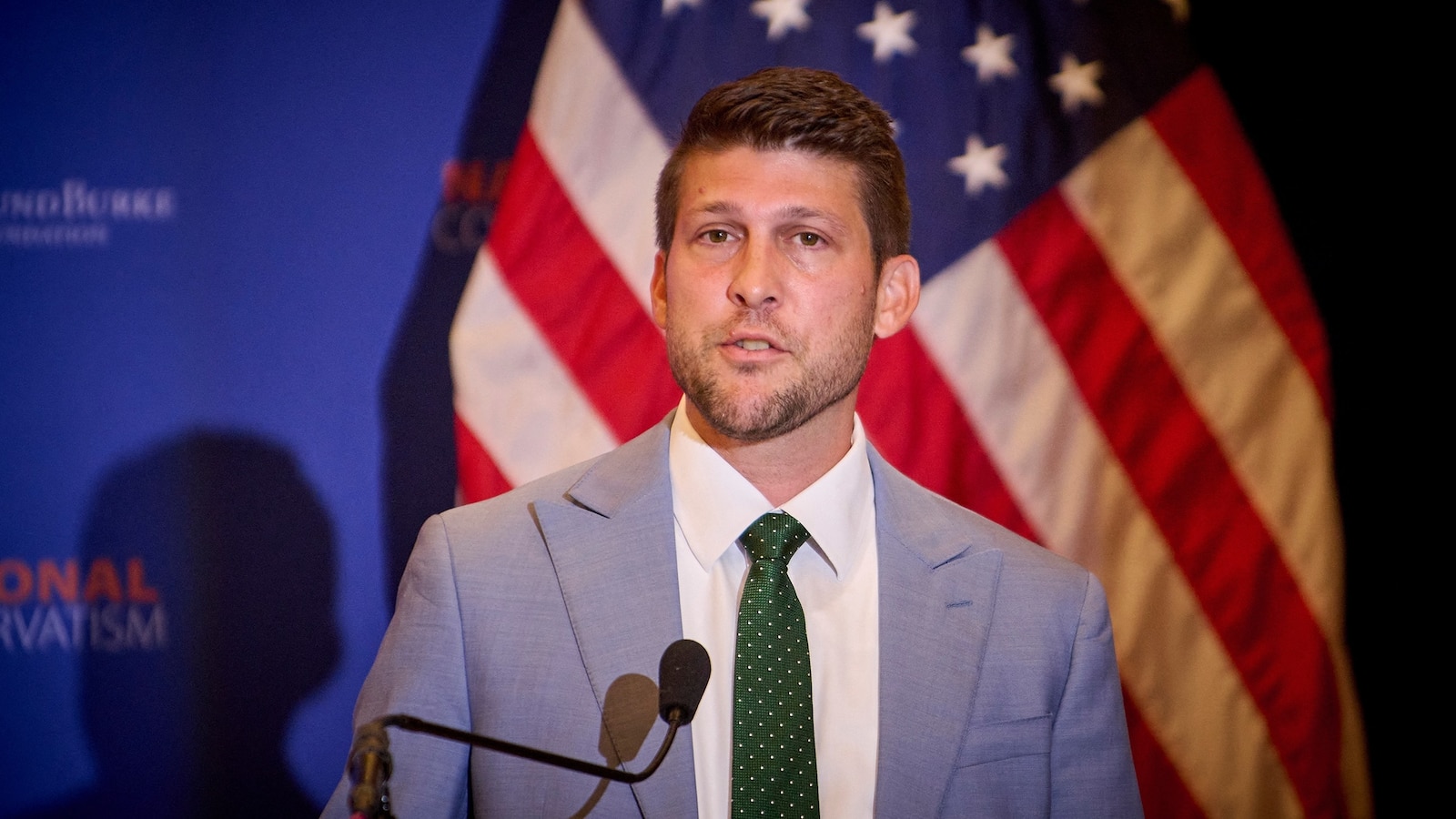
Florida’s Attorney General James Uthmeier has stirred up significant controversy by taking aim at one of the NFL’s most well-known diversity initiatives. In a video statement released on Wednesday afternoon, Uthmeier announced his intention to challenge the league’s Rooney Rule, threatening potential legal action if the NFL doesn’t voluntarily suspend the policy. The Rooney Rule, which has been a cornerstone of the NFL’s diversity efforts for over twenty years, requires teams to interview minority candidates for key leadership positions. Uthmeier’s argument centers on his belief that the rule violates Florida state law by mandating race-based considerations in hiring decisions. He plans to formally communicate these concerns to NFL Commissioner Roger Goodell in a letter timed to arrive before the league’s upcoming annual meeting. This confrontation represents a significant clash between state-level policies and the NFL’s long-standing commitment to increasing diversity in its coaching and executive ranks, raising important questions about how organizations can address historical disparities while navigating complex legal landscapes.
Understanding the Rooney Rule and Its Evolution
The Rooney Rule came into existence in 2003, named after the late Dan Rooney, who owned the Pittsburgh Steelers and chaired the NFL’s Workplace Diversity Committee at the time. The policy was born from a recognition that despite the NFL’s player population being predominantly composed of minorities, the coaching and executive leadership positions remained overwhelmingly white. In its original form, the rule simply required that teams with head coaching vacancies interview at least one minority candidate before making their final hiring decision. Over the years, the scope of the Rooney Rule has expanded significantly to address ongoing diversity challenges throughout the league’s leadership structure. The policy now includes women in its definition of minorities who should be considered for these positions. Additionally, the rule has been strengthened and broadened to cover more positions, including general manager roles, coordinator positions, quarterback coaches, and various executive positions. Currently, NFL teams must interview at least two minority candidates for vacant head coach, general manager, and coordinator positions, while at least one minority candidate must be interviewed for quarterback coach openings. This evolution reflects the league’s ongoing efforts to ensure that talented coaches and executives from diverse backgrounds receive fair consideration for advancement opportunities.
The Legal Argument Against the Rule
Uthmeier’s challenge to the Rooney Rule rests on his interpretation of Florida’s employment discrimination laws. In his video statement, the Attorney General argued that the NFL’s policy fundamentally violates state law by requiring what he characterizes as race-based considerations in hiring decisions. His position is straightforward: Florida law prohibits hiring decisions from being based on race, and he believes the Rooney Rule mandates race-based interviews and creates incentives for race-based hiring decisions. Uthmeier labels this approach as “discrimination,” arguing that it unfairly considers race as a factor in employment decisions. His demand is clear—the NFL should suspend the Rooney Rule, and if the league refuses to do so, his office may pursue enforcement actions against the organization for what he views as race-based discrimination. Uthmeier concluded his statement by asserting that fans and teams don’t care about the racial composition of their coaching staffs but instead want a “merit-based system” that gives teams the best chance of winning. This argument frames the Rooney Rule not as a tool for addressing systemic barriers but as an unfair policy that potentially undermines true merit-based hiring. The challenge raises complex legal and ethical questions about whether policies designed to counter historical discrimination themselves constitute discrimination, and whether ensuring diverse candidate pools conflicts with or complements merit-based selection processes.
The Current Reality of NFL Coaching Diversity
The numbers paint a stark picture of the current state of diversity in NFL coaching, providing important context for understanding why the Rooney Rule exists in the first place. As the 2026 NFL season approaches, only three Black head coaches will be leading teams, despite the fact that over half of the league’s players—approximately 53.5% according to 2023 data from The Institute for Diversity and Ethics in Sport—are Black. This dramatic disparity between player diversity and coaching diversity highlights the persistent challenge the league faces in translating on-field diversity to leadership positions. The number of minority head coaches has fluctuated significantly over the years, demonstrating that progress hasn’t been steady or consistent. In 2024, nine teams had minority head coaches, but just two years later, that number appears to have dropped to five total minority head coaches, with zero women serving as head coaches in the league. These statistics raise serious questions about whether the Rooney Rule has been effective in achieving its stated goals and whether additional measures might be needed to address the persistent lack of diversity in coaching positions. The dramatic drop in minority head coaches between 2024 and 2026 is particularly concerning, suggesting that whatever progress had been made may have been temporary rather than representing a fundamental shift in hiring practices.
Expert Perspectives on the Complexity of the Issue
Understanding the challenges of increasing diversity in NFL coaching requires looking beyond simple statistics to the systemic factors that shape hiring decisions. ESPN columnist Clinton Yates offered insightful commentary on the issue, noting that “this is not exactly a complex problem, but it also is not linear.” His observation highlights an important truth—while the goal of increasing coaching diversity might seem straightforward, achieving it involves navigating deeply rooted patterns in how coaches are evaluated, hired, and given opportunities to succeed or fail. Yates points out that “a rule is not going to help you with what is effectively human nature,” suggesting that the Rooney Rule alone cannot overcome the unconscious biases and established networks that often influence hiring decisions in professional sports. He emphasizes several critical factors that affect minority coaching candidates: where coaches come from in terms of their career paths, how team owners perceive them, and most significantly, “how many opportunities they’re given to fail before they get another chance.” This last point is particularly important, as research has shown that minority coaches are often held to higher standards and given fewer chances to recover from poor seasons compared to their white counterparts. A white coach might receive multiple opportunities with different teams despite previous failures, while minority coaches more frequently find themselves shut out of opportunities after a single unsuccessful stint. This pattern suggests that the barriers to diversity in coaching extend far beyond the initial hiring decision and include questions of who receives second chances and long-term investment from team owners.
The Broader Implications and Future of Diversity Efforts
The challenge to the Rooney Rule by Florida’s Attorney General represents more than just a legal dispute—it reflects broader national tensions about how to address historical inequities and systemic discrimination in American institutions. The confrontation raises fundamental questions about whether policies designed to ensure diverse candidate consideration constitute reverse discrimination or represent necessary interventions to counteract longstanding barriers. If the NFL were to suspend the Rooney Rule as Uthmeier demands, it would eliminate one of the most visible diversity initiatives in professional sports, potentially sending a signal to other leagues and corporations about the legal risks of maintaining similar policies. On the other hand, defending the rule would require the NFL to articulate clearly how ensuring diverse interview pools serves legitimate business interests and doesn’t constitute impermissible discrimination. The outcome of this challenge could have significant implications beyond football, potentially affecting diversity initiatives in other professional sports leagues, corporations, and organizations nationwide. As the NFL prepares for its annual meeting and considers how to respond to Uthmeier’s letter, the league faces a decision that will shape not only the future of coaching diversity in football but also contribute to the national conversation about how organizations can pursue equity while respecting legal constraints on considering race in employment decisions. The current state of coaching diversity—with its dramatic underrepresentation of minorities in leadership positions despite a predominantly minority player base—suggests that without intentional efforts to expand opportunity, the status quo is likely to persist, leaving unresolved the question of how to create pathways for talented coaches from all backgrounds to reach the highest levels of their profession.