



Georgia Woman Faces Murder Charges in Unprecedented Abortion Case
A Landmark Legal Challenge in Post-Roe America
In a case that could set a disturbing precedent for reproductive rights across the United States, 31-year-old Alexia Moore from Georgia finds herself behind bars, charged with murder after allegedly taking medication to terminate her pregnancy. The charges, brought by local police in Kingsland—a small city roughly 100 miles south of Savannah—represent one of the first instances where a woman in Georgia could face murder prosecution for ending her own pregnancy. This development comes in the wake of the state’s controversial 2019 “heartbeat law,” which effectively bans most abortions after approximately six weeks of pregnancy, often before many women even realize they’re pregnant. Moore has been held in Camden County jail since early March, also facing drug possession charges related to the abortion pills and painkillers she allegedly took. The case has ignited fierce debate among legal experts, reproductive rights advocates, and anti-abortion activists about the scope and implications of restrictive abortion laws in conservative states following the Supreme Court’s 2022 decision to overturn Roe v. Wade.
The Details of What Happened
According to the arrest warrant and court documents, Moore arrived at a hospital on December 30th experiencing severe abdominal pain. When medical staff examined her, she reportedly disclosed that she had taken misoprostol—a medication commonly used in medical abortions—along with oxycodone, a powerful opioid painkiller. The warrant states that based on medical assessments, Moore had been pregnant for somewhere between 22 and 24 weeks, placing the fetus right at the edge of viability, the point at which a baby could potentially survive outside the womb with medical intervention. Tragically, after delivery at the hospital, the infant survived for approximately one hour before dying. The arrest warrant includes particularly haunting language, stating that Moore allegedly told nursing staff: “I know my infant is suffering, because I am the one who did the abortion. I want her to die.” The document charges Moore with murder using terminology that directly reflects Georgia’s abortion law, noting that police determined she had been pregnant beyond six weeks “based on the medical staff’s knowledge that the baby had a beating heart and was struggling to breathe.” Toxicology screening detected oxycodone in the fetus’s blood, though investigators were informed that the test wouldn’t be able to detect misoprostol. Moore reportedly told police she had obtained the abortion pills online and gotten the opioid medication from a family member.
Legal Implications and the Path Forward
The severity of the charges Moore faces cannot be overstated. She’s currently being held on murder charges as well as illegal drug possession for both the oxycodone—which was not prescribed to her—and the misoprostol pills used to induce abortion. However, whether she’ll actually be prosecuted for murder remains uncertain. That decision now rests with District Attorney Keith Higgins of the Brunswick Judicial Circuit, who would first need to convince a grand jury to hand down an indictment before the case could proceed to trial. Moore’s public defender has already filed motions seeking bail and requesting a speedy trial, with a court hearing initially scheduled for Monday. Andrew Fleischman, a Georgia defense attorney not involved in this case, explained that under the state’s abortion law—which declares that an embryo legally becomes a person once cardiac activity is detected—authorities could theoretically pursue murder charges against women who intentionally terminate pregnancies after that point. “Murder is intentionally causing the death of a person,” Fleischman noted, acknowledging that he and other legal observers had warned this exact scenario could happen when the law was being debated. However, he expressed doubt about whether prosecutors would actually follow through: “I’m not sure prosecutors are eager to be the first one to jump this hurdle. I think it’s a totally legally permissible case. I think they could do it. I’d be surprised if they go through with it.”
The Broader Context of Pregnancy Criminalization
Moore’s case, while shocking, fits into a disturbing pattern of increased criminalization of pregnancy outcomes across America. A comprehensive 2024 study conducted by the advocacy organization Pregnancy Justice documented at least 210 women nationwide who were charged with crimes related to their pregnancies in just the 12 months following the Supreme Court’s 2022 decision overturning Roe v. Wade. This number exceeded any other 12-month period the organization had tracked, with most cases involving allegations of substance use during pregnancy rather than intentional abortion attempts. Dana Sussman, senior vice president at Pregnancy Justice, forcefully condemned Moore’s arrest: “No one should be criminalized for having an abortion.” She described the murder charge as “unprecedented” for an alleged abortion case. The organization and other reproductive rights advocates view this prosecution as a dangerous expansion of how states might use restrictive abortion laws to punish women, potentially opening the door for similar charges against others in states with comparable legislation. The case also highlights the complex intersection of drug laws and abortion restrictions, as prosecutors might point to Moore’s alleged use of non-prescribed oxycodone as justification for the severe charges, even though the primary issue revolves around her attempt to terminate her pregnancy.
Medical and Scientific Considerations
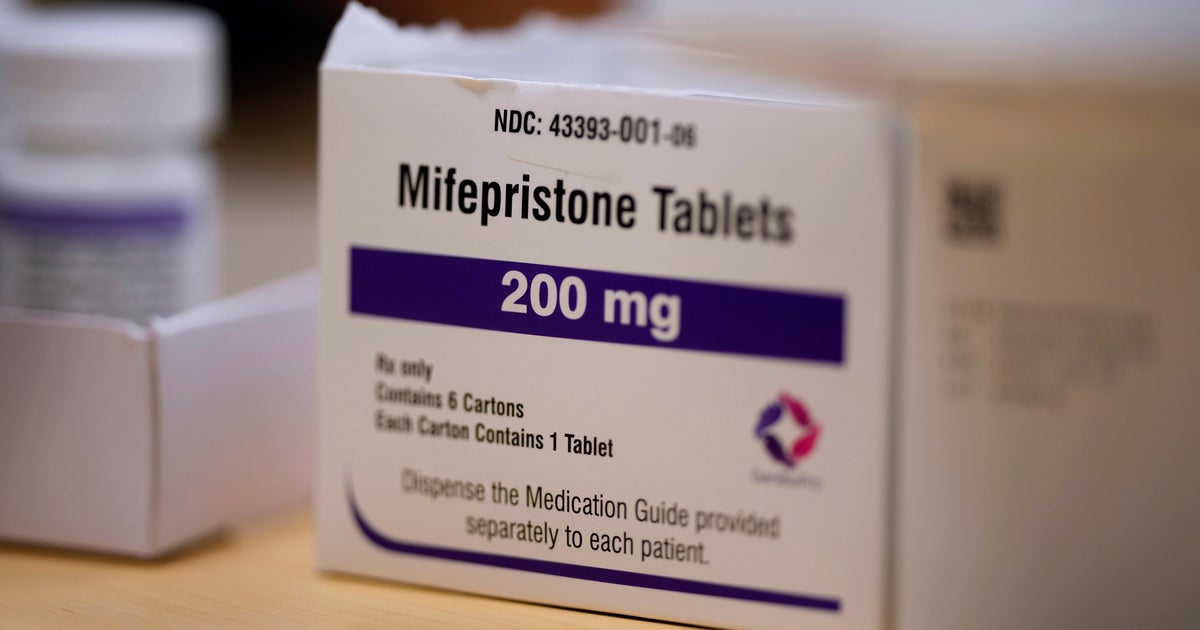
Adding another layer of complexity to this case, the Camden County Coroner, M. Wayne Peeples, was called to the hospital to take custody of the remains. However, he notably did not classify the death as a homicide. Instead, Peeples determined that both the cause and manner of death were “undetermined.” The Georgia Bureau of Investigation declined to perform an autopsy, noting that the delivery had occurred in a hospital setting with medical supervision. Regarding the medications themselves, it’s important to understand that misoprostol and mifepristone together form the FDA-approved regimen for medication abortion during the first ten weeks of pregnancy. Misoprostol can also be used alone when mifepristone isn’t available, and it’s employed off-label by medical professionals for second-trimester abortions as well. The Supreme Court addressed these medications’ legal status in 2024 when it rejected a challenge that attempted to restrict mifepristone’s availability. Anti-abortion advocates had filed suit in Texas claiming the FDA shouldn’t have approved the drug back in 2000, but the Court ultimately maintained its legal status. However, Louisiana took a different approach in 2024, classifying both mifepristone and misoprostol as controlled dangerous substances, making it the first state to do so. Similar legislation has been introduced in other states and at the federal level but hasn’t been adopted elsewhere yet.
Competing Perspectives and What Comes Next
The case has predictably divided opinion along ideological lines. Elizabeth Edmonds, executive director of the anti-abortion group Georgia Life Alliance, rejected the notion that Moore’s charges stem from the 2019 abortion law, calling such claims “misrepresenting the facts and trying to again make it a fear-mongering thing that Georgia is prosecuting women on pregnancy outcomes.” Edmonds argued that the murder charge was appropriate partly because Moore allegedly illegally obtained and consumed oxycodone before the fetus died, suggesting the drug charges, not just the abortion attempt, justify the severe prosecution. Meanwhile, reproductive rights advocates see the case entirely differently—as confirmation of their warnings that abortion bans would inevitably lead to women being criminalized for pregnancy outcomes. They argue that regardless of the drug possession charges, the core issue is a woman being prosecuted for attempting to end her own pregnancy. Moore’s mother, when reached by phone, declined to comment immediately, and the Georgia Public Defender Council confirmed one of its attorneys represents Moore but offered no additional information. As the legal process moves forward, this case will be watched closely by observers on all sides of the abortion debate, as it could establish precedents that affect how similar situations are handled across Georgia and potentially influence approaches in other conservative states with restrictive abortion laws. For Moore herself, the stakes couldn’t be higher—she faces the possibility of a murder conviction while navigating an intensely politicized legal landscape where her case has become a flashpoint in America’s ongoing battle over reproductive rights.