
The Battle Over Reese’s: A Grandson’s Fight to Preserve His Family’s Candy Legacy
A Sweet Heritage Under Threat
The beloved Reese’s Peanut Butter Cup, an American candy icon that has delighted generations since 1928, has become the center of a public dispute between the grandson of its inventor and The Hershey Company. Brad Reese, a 70-year-old descendant of H.B. Reese who created the original peanut butter cup nearly a century ago, has openly criticized Hershey for what he sees as a betrayal of his grandfather’s legacy. In a pointed letter dated February 14th to Hershey’s corporate brand manager—which he subsequently shared on LinkedIn—Brad accused the candy giant of compromising the Reese’s brand by switching to inferior, cheaper ingredients across many of their products. This public confrontation raises important questions about corporate responsibility, brand integrity, and whether companies have an obligation to maintain the original quality that built consumer trust in the first place.
The story of Reese’s begins with H.B. Reese, who worked at Hershey for just two years before striking out on his own in 1919 to form his candy company. Nine years later, in 1928, he invented the Reese’s Peanut Butter Cup, a simple yet revolutionary combination of chocolate and peanut butter that would eventually become one of America’s most popular candies. After H.B. Reese’s death, his six sons continued the family business before ultimately selling it to Hershey in 1963. For decades, the brand flourished under Hershey’s ownership, becoming what the company now calls its flagship brand. However, according to Brad Reese, recent years have seen troubling changes that threaten the very essence of what made Reese’s special in the first place.
The Core of the Complaint: Ingredients Matter
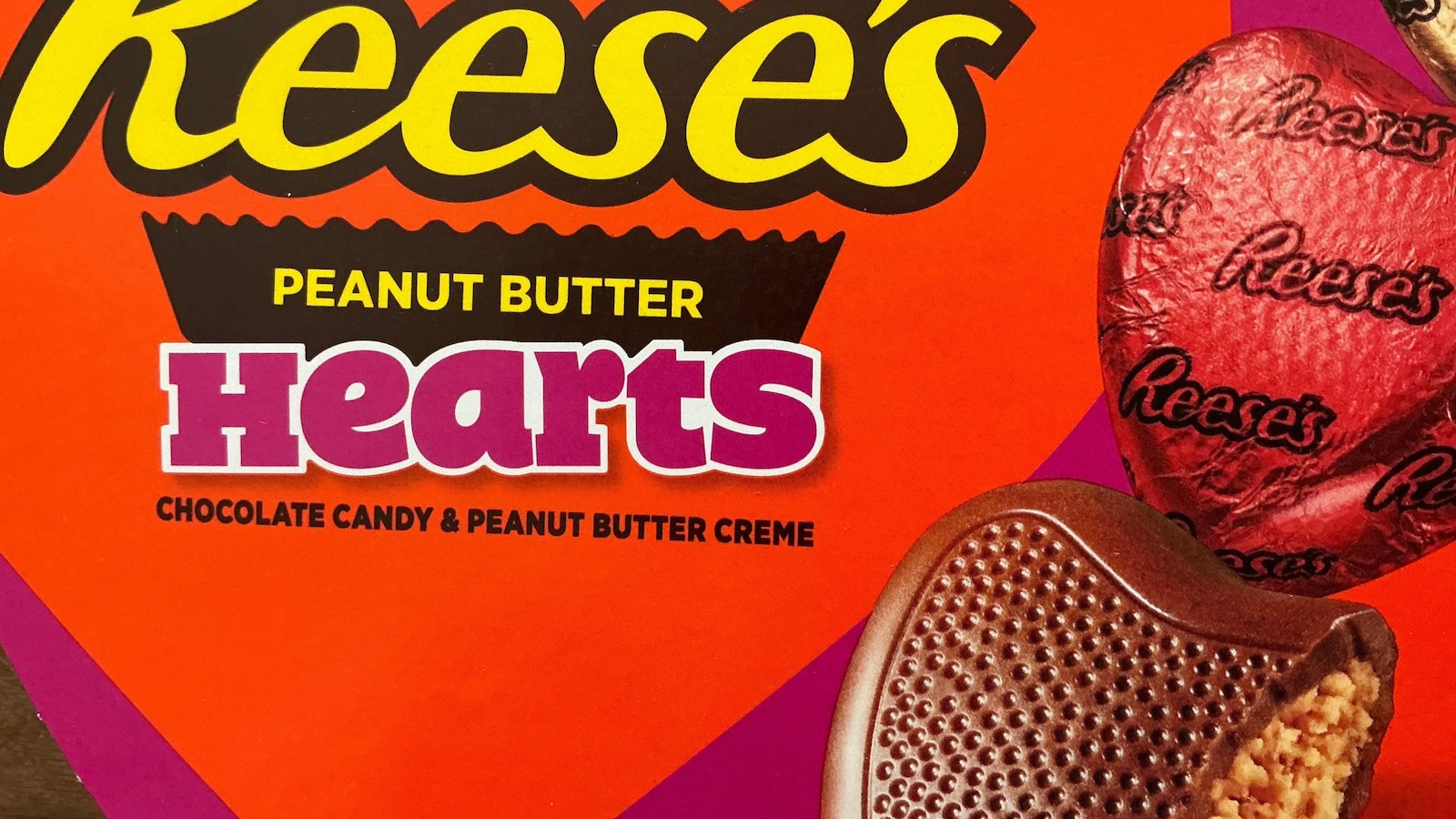
Brad Reese’s criticism centers on a fundamental issue: the replacement of premium ingredients with cheaper substitutes in multiple Reese’s products. Specifically, he points to the company’s decision to replace milk chocolate with compound coatings and genuine peanut butter with “peanut crème” in various items across the Reese’s product line. For someone who grew up eating a Reese’s product every day and whose family name is synonymous with the brand, these changes feel personal. Brad described his recent experience with Reese’s Mini Hearts, a new Valentine’s Day product, as particularly disappointing. After purchasing a bag and trying them, he found them so substandard that he threw them away, calling them “not edible.” The packaging clearly indicated these weren’t made with the traditional ingredients, listing “chocolate candy and peanut butter crème” instead of milk chocolate and peanut butter—a subtle but significant distinction.
The FDA maintains strict standards for what can be labeled as milk chocolate, requiring products to contain at least 10% chocolate liquor (a paste made from ground cocoa beans), at least 12% milk solids, and 3.39% milk fat. Companies looking to cut costs can circumvent these requirements by using alternative language on their packaging—”chocolate candy” instead of “milk chocolate,” for instance. This linguistic sleight-of-hand allows manufacturers to use cheaper compound coatings while still technically remaining compliant with regulations. Brad Reese identified several products that have undergone this transformation: Reese’s Take5 and Fast Break bars, which once featured genuine milk chocolate coatings, no longer do. White Reese’s, introduced in the early 2000s with white chocolate, now use a white crème. Even Reese’s products sold internationally differ from American versions, with packages in the UK and Ireland describing “milk chocolate-flavored coating and peanut butter crème” rather than the real deal.
Hershey’s Defense: Innovation Meets Consumer Demand
In response to Brad Reese’s public criticism, Hershey issued a statement defending its practices while acknowledging that some recipe adjustments have been made. The company emphasized that the original Reese’s Peanut Butter Cups—the product that started it all—are still made exactly as they always have been, with milk chocolate and peanut butter made in-house from roasted peanuts, sugar, salt, and a few other ingredients. However, Hershey explained that as the Reese’s product line has expanded to include new shapes, sizes, and variations, recipe adjustments have been necessary to accommodate these innovations. According to the company, these changes allow them to create the new products that “Reese’s fans have come to love and ask for,” while still protecting “the essence of what makes Reese’s unique and special: the perfect combination of chocolate and peanut butter.”
During a conference call with investors last year, Hershey’s Chief Financial Officer Steven Voskuil addressed the formula changes, though without specifying which products were affected. He assured stakeholders that the company takes great care to maintain the “taste profile and the specialness of our iconic brands,” emphasizing that extensive consumer testing accompanies even the smallest changes to any brand in their portfolio. Voskuil claimed that none of the changes made thus far have had “any consumer impact whatsoever,” suggesting that customers either haven’t noticed the differences or haven’t been bothered by them. The company’s position reflects a broader industry trend: as cocoa prices have risen significantly in recent years, Hershey and other chocolate manufacturers have experimented with ways to use less chocolate in their products while maintaining profitability. From a business perspective, these adjustments represent practical responses to market pressures and changing economic conditions.
The Broader Context: Quality Versus Profit
The dispute between Brad Reese and Hershey touches on tensions that exist throughout the food industry, where companies constantly balance quality, tradition, consumer expectations, and profit margins. Rising commodity costs—particularly for cocoa, which has experienced significant price increases—create pressure on manufacturers to find ways to maintain profitability. Reformulating products with cheaper ingredients represents one solution, though it risks alienating loyal customers who notice and care about the difference. Brad Reese argues that Hershey has crossed a line, pointing out that people frequently tell him that Reese’s products don’t taste as good as they used to. For him, this isn’t just about business strategy; it’s about honoring his grandfather’s legacy and the trust that consumers have placed in the Reese’s name for nearly a century.
Brad invoked a quote from Milton Hershey himself, the founder of The Hershey Company: “Give them quality, that’s the best advertising.” This philosophy built both the Hershey and Reese’s brands into household names, establishing reputations for reliability and taste that translated into generations of customer loyalty. Brad Reese makes clear that he isn’t opposed to innovation itself—the Reese’s line has successfully expanded far beyond the original peanut butter cups—but he believes that innovation should never come at the expense of quality. His question to Hershey cuts to the heart of brand management: “How does The Hershey Co. continue to position Reese’s as its flagship brand, a symbol of trust, quality and leadership, while quietly replacing the very ingredients (Milk Chocolate + Peanut Butter) that built Reese’s trust in the first place?” It’s a question that challenges companies to consider whether short-term cost savings are worth the potential long-term damage to brand reputation and consumer trust.
What This Means for Consumers and the Future
For everyday consumers, this controversy highlights the importance of reading labels carefully and understanding that not all products bearing a familiar brand name are created equal. The differences between “milk chocolate” and “chocolate candy,” or between “peanut butter” and “peanut butter crème,” might seem trivial, but they reflect meaningful distinctions in ingredients, manufacturing processes, and ultimately, taste and quality. As manufacturers face economic pressures, consumers should expect to see more of these subtle reformulations across various product lines, not just in candy but throughout the food industry. The question becomes whether companies will be transparent about these changes or whether they’ll hope customers won’t notice, and whether consumer pushback—like Brad Reese’s public criticism—will prove effective in encouraging companies to maintain higher standards.
The outcome of this dispute may influence how other heritage brands approach the balance between cost management and quality preservation. If Hershey faces significant consumer backlash or if sales of reformulated products decline, it might reconsider its approach. Conversely, if the financial benefits of cheaper ingredients outweigh any negative consequences, other companies might follow suit with their own reformulations. For Brad Reese, who once ate a Reese’s product every day and now finds some versions “not edible,” the changes feel devastating—a word that captures both personal disappointment and concern for a family legacy. His public stance serves as a reminder that behind many beloved brands are real people and real histories, and that the decisions corporations make about their products can have impacts that extend far beyond quarterly earnings reports. Whether Hershey will respond to his concerns with meaningful action or simply wait for the controversy to fade remains to be seen, but the conversation he’s started about quality, trust, and corporate responsibility in the food industry is one worth having.