



The Battle Over Reese’s: A Grandson’s Fight to Preserve His Family’s Legacy
A Heritage Recipe Under Fire
Brad Reese never imagined he’d be publicly challenging one of America’s largest candy manufacturers, but family legacy and quality standards have driven him to speak out. As the grandson of H.B. Reese, the visionary who created Reese’s Peanut Butter Cups in 1928, Brad has watched with growing concern as The Hershey Company has allegedly altered the fundamental ingredients that made the candy an American icon. His grandfather spent two years working at Hershey before striking out on his own in 1919 to form his candy company. Nearly a decade later, H.B. Reese perfected the combination that would become a household name—the Reese’s Peanut Butter Cup. In 1963, his six sons sold the company to Hershey, trusting that the confectionery giant would honor the legacy their father had built on real ingredients and unwavering integrity. Now, more than sixty years later, Brad Reese believes that trust has been betrayed, prompting him to share an open letter on LinkedIn that has sparked widespread discussion about corporate responsibility, product quality, and the true meaning of brand heritage.
The Allegations: What’s Really Inside the Wrapper?
According to Brad Reese’s detailed LinkedIn posts from mid-February, Hershey has systematically replaced key ingredients across multiple Reese’s products without adequately informing consumers. The most significant changes involve substituting milk chocolate with compound coatings and replacing genuine peanut butter with what’s labeled as “peanut butter-style crème” or simply “peanut butter crème.” These alterations, Reese argues, fundamentally change the nature of products that generations of Americans have trusted and loved. He points to specific examples, including the recently released Reese’s Mini Hearts for Valentine’s Day, whose packaging clearly states they contain “chocolate candy and peanut butter crème” rather than the traditional milk chocolate and peanut butter. Reese’s criticism extends to other product lines as well: Reese’s Take5 and Fast Break bars, which he claims were once coated with genuine milk chocolate but no longer meet that standard; White Reese’s, which debuted in the early 2000s with actual white chocolate but now feature white crème instead; and even international versions sold in Europe, the United Kingdom, and Ireland, which are advertised with “milk chocolate-flavored coating” rather than milk chocolate itself. For Brad, who admits he once consumed a Reese’s product every day, the change is personal. When he tried the Mini Hearts, he found them inedible and ultimately threw the entire bag away—a devastating experience for someone with such deep family connections to the brand.
Hershey’s Defense: Innovation Versus Tradition
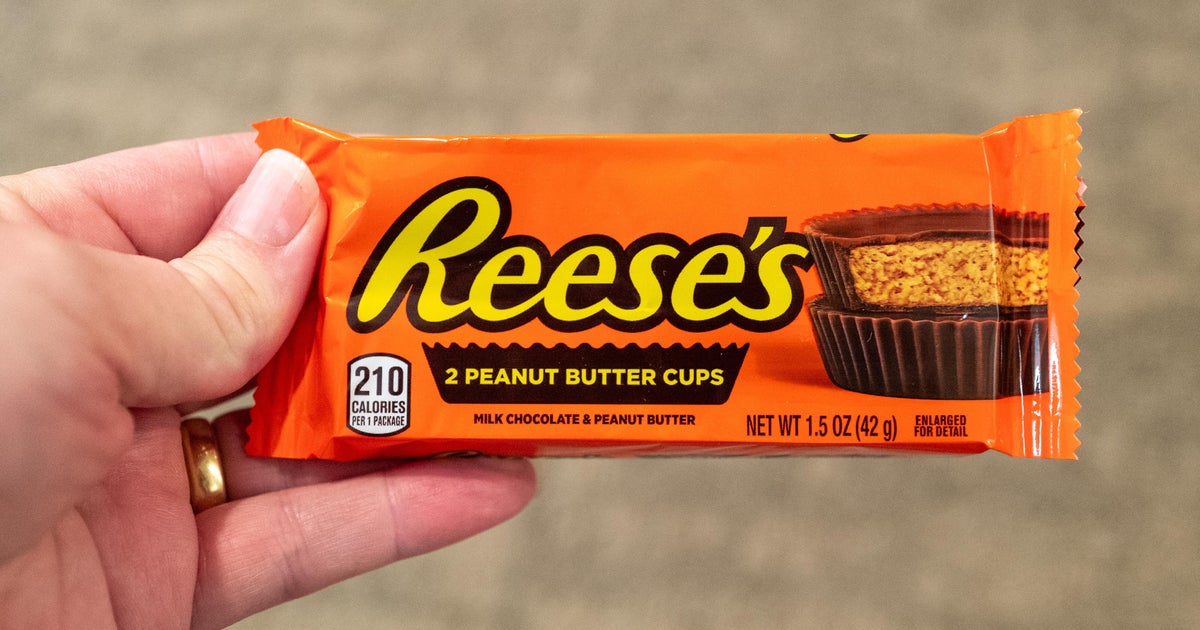
The Hershey Company has responded to these criticisms with measured statements emphasizing innovation while maintaining that the original Reese’s Peanut Butter Cups remain unchanged. In their official statement to CBS News, company representatives acknowledged that they “sometimes make product recipe adjustments” as they expand the Reese’s line with new shapes, sizes, and innovations that fans have requested. However, they emphasized a crucial distinction: “Reese’s Peanut Butter Cups are made the same way they always have been.” According to Hershey, these recipe modifications allow them to meet consumer demand for variety while “always protecting the essence of what makes Reese’s unique and special: the perfect combination of chocolate and peanut butter.” During an investor conference call last year, Hershey Chief Financial Officer Steven Voskuil addressed formula changes without specifying which products were affected. He stressed that the company takes great care to maintain the “taste profile and the specialness of our iconic brands,” adding that extensive consumer testing accompanies even the smallest modifications. Voskuil confidently stated that changes made thus far have had “no consumer impact whatsoever,” suggesting that any alterations have been carefully calibrated to preserve the taste experience that consumers expect. This position frames Hershey’s approach as responsive to market demands and consumer preferences, positioning recipe adjustments as a natural evolution of a beloved brand rather than a cost-cutting measure that compromises quality.
The Economics Behind the Recipe Changes
While Hershey portrays these changes as innovation-driven responses to consumer requests for variety, industry observers point to economic factors that may better explain the timing and nature of these modifications. Cocoa prices have experienced significant volatility in recent years, with prices soaring to record heights before moderating somewhat in recent months. These elevated costs have pressured candy manufacturers across the industry to find ways to maintain profitability without dramatically increasing retail prices. Using compound coatings instead of genuine milk chocolate offers one solution to this dilemma. The U.S. Food and Drug Administration maintains strict standards for what can legally be labeled as “milk chocolate”—products must contain at least 10% chocolate liquor (a paste made from ground cocoa beans, despite its name containing no alcohol), along with minimum amounts of milk solids (12%) and milk fat (3.39%). Compound coatings, which combine cocoa with vegetable fats instead of cocoa butter, don’t meet these standards but cost significantly less to produce. Companies can legally use these alternatives by adjusting their packaging language—referring to “chocolate candy” or “chocolate-flavored coating” instead of “milk chocolate.” Hershey’s Mr. Goodbar has long used this labeling approach, describing itself as “chocolate candy” rather than milk chocolate. Experts have noted that retail candy prices tend to be “sticky,” meaning they don’t quickly adjust when raw material costs change due to the lag time between purchasing cocoa beans and producing finished products. This economic reality creates ongoing pressure to find cost efficiencies, even as cocoa prices moderate.
Consumer Trust and Corporate Responsibility
At the heart of Brad Reese’s critique lies a fundamental question about corporate stewardship of beloved brands: How does a company balance innovation and profitability with the consumer trust built over generations? Brad frames his concern in terms that go beyond personal family pride, asking how Hershey can “continue to position Reese’s as its flagship brand, a symbol of trust, quality and leadership, while quietly replacing the very ingredients (Milk Chocolate + Peanut Butter) that built Reese’s trust in the first place?” The word “quietly” is significant here—Brad’s complaint isn’t simply that Hershey changed recipes, but that these changes happened without transparent communication to consumers who have built decades of loyalty to the brand. He frequently hears from people who tell him that Reese’s products “don’t taste as good as they once did,” suggesting that whatever consumer testing Hershey conducted may not have captured the full picture of customer satisfaction. Brad invokes a quote from Milton Hershey himself, the founder of the company that now owns his grandfather’s creation: “Give them quality, that’s the best advertising.” This appeal to Hershey’s own heritage creates a powerful rhetorical position—Brad isn’t asking the company to be something it never was, but rather to remain true to the principles its own founder established. He makes clear that he “absolutely believes in innovation,” but his preference is “innovation with quality,” a position that many consumers would likely support. The tension between these perspectives—Hershey’s data-driven assurance that changes haven’t impacted consumer satisfaction versus the anecdotal evidence Brad receives from disappointed customers—illustrates the challenges companies face in maintaining brand equity while adapting to changing market conditions.
The Broader Implications for American Food Brands
The controversy surrounding Reese’s ingredients reflects larger trends in the American food industry, where heritage brands built on specific quality standards face constant pressure to reduce costs while maintaining market position. Consumers increasingly scrutinize ingredient lists and demand transparency about what they’re eating, yet they simultaneously resist price increases that would allow companies to maintain traditional formulations in the face of rising raw material costs. This creates a difficult calculus for food manufacturers: change recipes and risk alienating purists like Brad Reese, or raise prices and potentially lose market share to competitors. The Reese’s situation is particularly poignant because it involves not just any corporate brand, but one with a direct family connection to its origins—a living link to the person who created the product and the values he represented. Brad’s willingness to publicly challenge Hershey demonstrates the depth of his conviction that something important is being lost, not just for his family’s legacy but for consumers who deserve to know what they’re buying. Whether Hershey will respond to this criticism with any policy changes remains to be seen, but Brad’s campaign has already succeeded in raising awareness about the gap between consumer expectations and corporate practices. As shoppers become more aware of the differences between “milk chocolate” and “chocolate candy,” between “peanut butter” and “peanut butter crème,” they can make more informed choices about which products truly deliver the quality they remember and expect. In an era when authenticity and transparency have become valuable currency in the marketplace, Brad Reese’s defense of his grandfather’s legacy may resonate far beyond a single candy brand, challenging other food companies to reconsider how they balance tradition, innovation, and the trust consumers place in the products they’ve loved for generations.