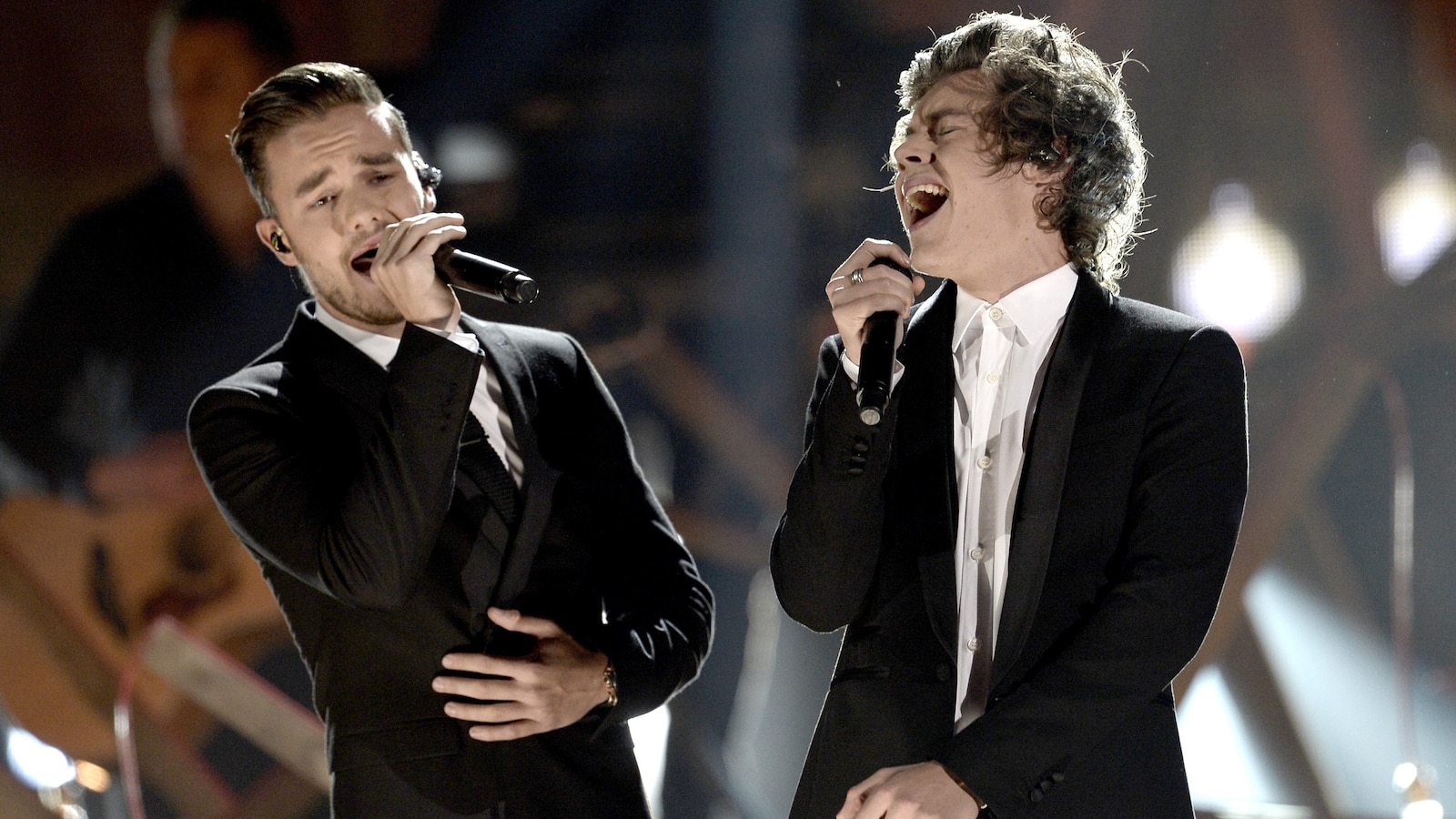

Harry Styles Opens His Heart About Losing Liam Payne
A Devastating Loss That Changed Everything
In a deeply emotional and candid interview with Apple Music’s Zane Lowe released this week, Harry Styles spoke publicly about the heartbreaking death of his former One Direction bandmate Liam Payne. The loss, which occurred in October 2024, has profoundly affected Styles and prompted him to reassess what truly matters in life. Payne tragically died at just 31 years old after falling from the third floor of a hotel in Argentina. According to state police reports, his body was discovered in the hotel’s inner courtyard, and he was pronounced dead at the scene. For Styles and the millions of One Direction fans around the world, the news was devastating and almost impossible to comprehend. The sudden nature of Payne’s death left many struggling to process the reality that someone so young, talented, and full of life could be gone in an instant.
During the interview, Styles didn’t hold back his emotions as he described just how difficult it has been to cope with losing someone who meant so much to him. “It’s difficult to lose any friend, but it’s so difficult to lose a friend who is so like you in so many ways,” he explained to Lowe. His words revealed the depth of the connection he shared with Payne—a bond forged during their formative years together in one of the world’s biggest boy bands. Styles went on to characterize Payne in the most touching terms: “I saw someone with the kindest heart who just wanted to be great.” This simple yet powerful statement encapsulates what made Payne special—not just his talent or fame, but his genuine desire to excel and his inherent goodness as a person. For Styles, losing someone with these qualities has been particularly painful, as it represents the loss of not just a friend and colleague, but someone who shared similar dreams, struggles, and experiences during their extraordinary journey together.
Finding Meaning Through Reflection
Payne’s death became a catalyst for Styles to take a hard look at his own life and priorities. In moments of profound loss, many people find themselves questioning their choices and reconsidering what they want from their remaining time on earth. For Styles, this tragedy served as a wake-up call to be more intentional about how he lives. “It was a really important moment for me, in terms of taking a look at my life and being able to say to myself: ‘OK, what do I want to do with my life? How do I want to live my life?'” he shared during the interview. This kind of soul-searching is a natural response to losing someone close, especially someone relatively young whose death reminds us of our own mortality and the precious, fleeting nature of time.
Rather than letting grief consume him or lead him into darkness, Styles has chosen to honor Payne’s memory by embracing life more fully. “I think the greatest way you can honour your friends who pass away is by living your life to the fullest,” he said, articulating a philosophy that many find healing after loss. This approach transforms grief into something more constructive—a motivation to make the most of every day and to pursue the things that matter most. By living with purpose and passion, Styles believes he can keep Payne’s spirit alive and make his friend’s too-short life mean something more. He also made a point of remembering Payne as a “super special person,” ensuring that the public conversation about his friend focuses on who he was as a human being rather than solely on the circumstances of his death.
The Complexity of Public Grief
One of the most striking aspects of Styles’ interview was his honest discussion about what it’s like to grieve in the public eye. For most people, mourning is a private process shared with close family and friends, but for celebrities like Styles, grief becomes a public spectacle whether they want it to be or not. He admitted that even the act of discussing Payne’s death publicly was challenging for him. “Full transparency, it’s something that even the idea of talking about it—I struggle with that a little bit even,” he confessed. This vulnerability is refreshing in an era where celebrities are often expected to perform their emotions for public consumption, carefully crafting their responses to tragedy for maximum relatability or minimal controversy.
Styles went deeper into this complicated dynamic, explaining how strange it feels when other people seem to claim ownership over a piece of your personal grief. “I think there was a period when he passed away where I really struggled with kind of like acknowledging how strange it is to have people kind of own part of your grief in a way,” he said. This phenomenon is particularly intense in the age of social media, where fans and followers feel intimately connected to celebrities and expect them to share their innermost feelings. Styles continued, “I have such strong feelings around my friend passing away, and then suddenly being, you know, like aware of there’s maybe like a desire from other people of you to convey that in some way, or it means you’re not feeling what you’re feeling or something, you know?” His words capture the impossible position many public figures find themselves in after a loss—if they don’t publicly express their grief in the “right” way or at the “right” time, they may be judged as uncaring, yet if they do share, their most intimate emotions become content for public consumption and analysis.
A Bond Forged in Extraordinary Circumstances
To understand the depth of Styles’ grief, it’s important to remember the unique bond he shared with Payne. The two became famous together as members of One Direction, one of the most successful boy bands in history. They were brought together on “The X Factor” in 2010, when they were just teenagers with big dreams. Initially auditioning as solo artists, they were formed into a group alongside Niall Horan, Zayn Malik, and Louis Tomlinson. What followed was a whirlwind rise to global superstardom that few could have predicted. Between 2011 and 2015, One Direction released five albums, including “Up All Night” in 2011 and “Made in the A.M.” in 2015, selling millions of copies worldwide and creating a devoted fan base that remains passionate to this day.
Going through such an intense experience at such a young age creates bonds that are difficult to replicate later in life. Styles and Payne didn’t just work together—they navigated the pressures of extreme fame, the demands of a grueling schedule, and the challenges of growing up in the spotlight, all while the world watched their every move. They shared tour buses, hotel rooms, stages, and countless moments both triumphant and difficult. They understood each other in ways that even close friends who met later in life couldn’t fully grasp. This shared history makes Payne’s death particularly devastating for Styles, as he’s lost not just a friend, but someone who was there during a formative period of his life, someone who could relate to experiences that very few people on earth could understand.
Moving Forward While Honoring the Past
As Styles continues to process his grief, he’s also moving forward with his career and life. Earlier this year, he announced his fourth solo album, “Kiss All the Time. Disco, Occasionally,” his first studio release since 2022. The album is scheduled to be released on March 6, and its lead single, “Aperture,” debuted in January to positive reception from fans and critics alike. For many artists, creative work becomes a way to channel grief and difficult emotions into something productive and beautiful. While Styles hasn’t explicitly stated that the album was influenced by Payne’s death, given the timeline and his recent reflections, it’s likely that the loss has at least indirectly shaped his artistic output.
The decision to continue creating music and pursuing his career is itself a form of honoring Payne’s memory, consistent with Styles’ belief that the best way to pay tribute to lost friends is by living life to the fullest. Rather than retreating from public life or letting grief paralyze him, Styles is channeling his energy into his art and using his platform to speak honestly about loss, grief, and what it means to keep going after tragedy strikes. His willingness to be vulnerable about his struggles with public mourning and his process of making sense of Payne’s death offers comfort to others who are navigating their own losses, whether in the public eye or in private. By sharing his journey, Styles reminds us that grief is complicated, personal, and doesn’t follow a prescribed timeline or pattern. His message is ultimately one of hope—that even in the darkest moments of loss, we can find meaning, honor those we’ve lost by living fully, and continue to create beauty and connection in a world that can sometimes feel unbearably painful.