

Mexico’s Measles Crisis: A Growing Health Emergency Ahead of the 2026 World Cup
Health Alert Declared as Outbreak Spreads in Key World Cup Host City
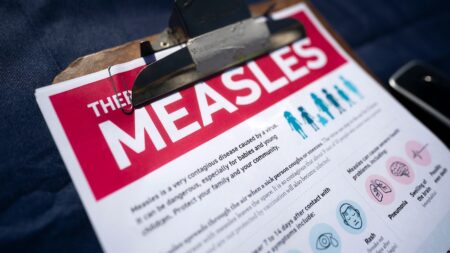
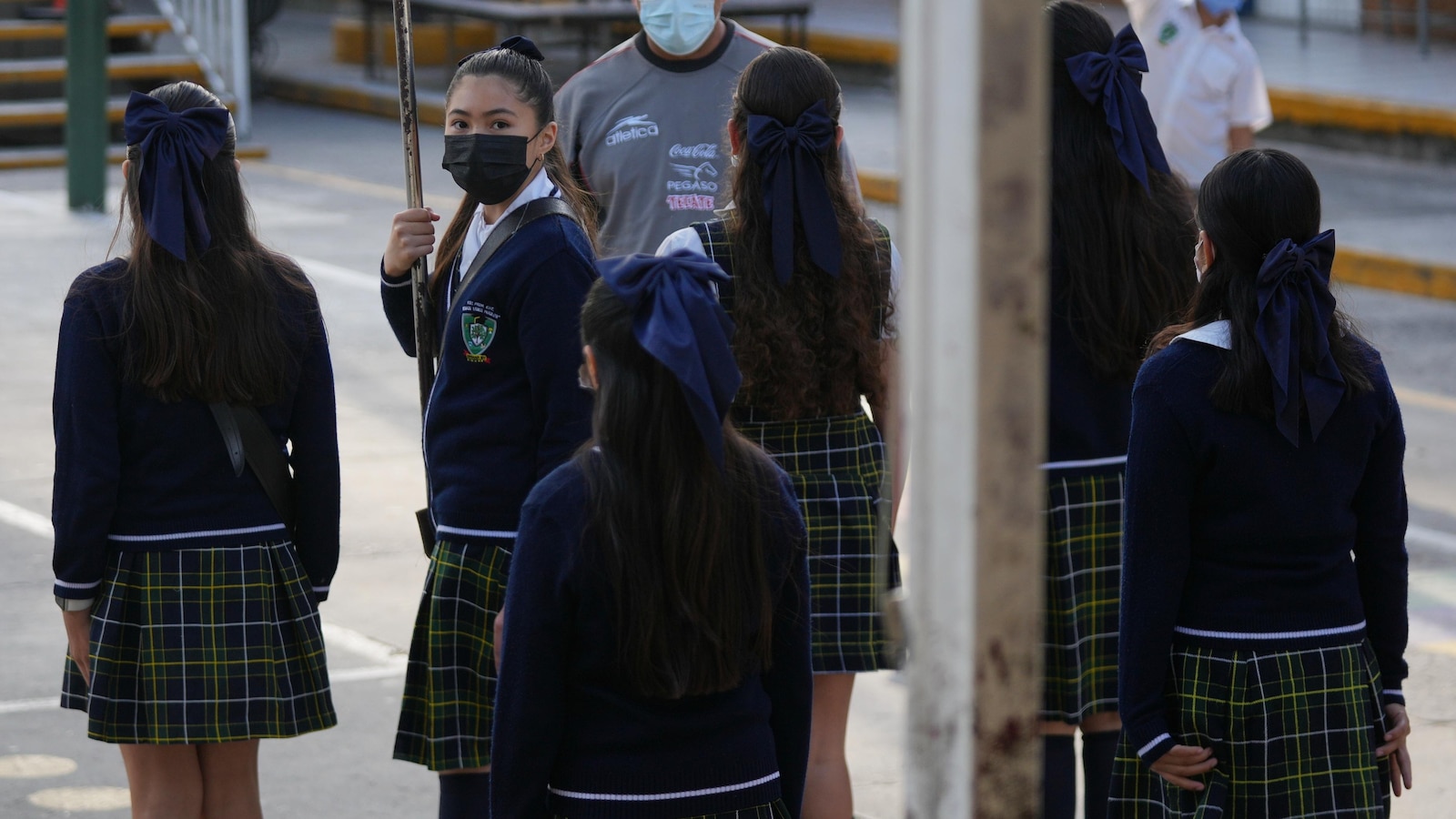
The state of Jalisco in Mexico has taken unprecedented public health measures by declaring a health alert and requiring face masks in schools as a measles outbreak continues to spread throughout the region. This development is particularly significant as Guadalajara, the state capital, is scheduled to be one of the major host cities for the 2026 FIFA World Cup, an event that will draw hundreds of thousands of visitors from around the globe. The decision to mandate masks represents the first such public health requirement in Mexico since the COVID-19 pandemic ended, signaling the seriousness with which authorities are treating this outbreak. The timing couldn’t be more critical, as the country prepares its infrastructure and public health systems to welcome international soccer fans in what will be a jointly hosted tournament across the United States, Mexico, and Canada.
The Scale of the Problem: Mexico Leads the Americas in Measles Cases
The numbers paint a concerning picture of the outbreak’s severity. Mexico has emerged as the leader in measles cases throughout the Americas, with health authorities confirming 1,981 cases this year alone and more than 5,200 additional suspected cases under investigation. Jalisco state sits at the epicenter of this health crisis, accounting for 1,163 confirmed cases and 2,092 suspected cases according to government data. These figures prompted the Pan American Health Organization (PAHO) to issue an epidemiological alert earlier this week, warning about the spread of this preventable disease across the Americas. The organization’s data reveals an alarming trend: in just the first three weeks of this year, 1,031 additional measles cases were confirmed across seven countries in the Americas—a figure that’s 43 times higher than what was recorded during the same period last year. While no deaths have been reported so far, the rapid transmission rate has public health officials deeply concerned about the trajectory of the outbreak.
How It All Began: Tracing the Outbreak’s Origins
The current measles crisis in Mexico has a clear origin story that demonstrates how quickly infectious diseases can spread across borders and communities. The outbreak began last year in Chihuahua, a northern Mexican state, when a Mennonite child became ill after visiting relatives in a region of Texas that was experiencing its own measles outbreak. From that single case, the disease spread rapidly through Mennonite communities, which are known to have high rates of vaccine hesitancy due to religious and cultural beliefs about medical interventions. These close-knit communities provided ideal conditions for the highly contagious airborne virus to spread, and from there, measles began rippling outward to other parts of Mexico. What started as a localized outbreak has now become the country’s biggest measles crisis in decades, affecting communities far beyond the initial epicenter and challenging the nation’s public health infrastructure in ways not seen since the height of the COVID-19 pandemic.
Immediate Measures: School Closures and Mask Requirements
In response to the escalating crisis, Jalisco health authorities have implemented specific containment measures targeting the areas most affected by the outbreak. Face masks will be mandatory in Guadalajara schools across seven specific neighborhoods for the next 30 days, a decision that came after medical groups urged the local government to take urgent action. Additionally, classes have been suspended in 15 schools across Jalisco and the neighboring central state of Aguascalientes where outbreaks have been particularly severe. These measures represent the most significant public health interventions Mexico has implemented since the COVID-19 pandemic, and Jalisco has become the first Mexican state to take such decisive action. The decision to close schools and require masks acknowledges the reality that measles is an airborne virus that spreads easily in crowded indoor settings, making schools particularly vulnerable to rapid transmission among unvaccinated children and staff members.
The Vaccination Crisis: Declining Rates Fuel the Outbreak
Public health scientists have identified declining vaccination rates as the primary driver behind the rising measles outbreaks across the hemisphere. Measles is entirely preventable with two doses of the vaccine, yet vaccination coverage has been dropping in many communities throughout the Americas. This decline in vaccination rates has created pockets of vulnerable populations where the virus can easily spread once introduced. In response, the Mexican government has launched an intensive vaccination campaign, spending weeks encouraging the population to get vaccinated and establishing vaccination sites in high-traffic locations such as airports and bus stations to make the vaccine as accessible as possible. These efforts aim to reach people who might not otherwise visit a traditional healthcare facility, including travelers, commuters, and people who are hesitant about making a special trip to a clinic. The strategy represents a recognition that traditional vaccination delivery methods aren’t reaching everyone who needs protection, and that innovative approaches are necessary to close the immunity gaps that have allowed this outbreak to flourish.
International Implications: Losing Measles-Free Status and World Cup Concerns
The measles outbreak in North America has reached such proportions that it threatens the measles-free status that countries in the region have long enjoyed. Canada has already lost its measles-free designation as of November, and both the United States and Mexico now face the real possibility of meeting the same fate. Both governments have requested a two-month extension from international health authorities to try to bring the outbreak under control before this status is officially revoked. However, the situation has become more complicated following the Trump administration’s decision in January to withdraw the United States from the World Health Organization, under whose umbrella the Pan American Health Organization operates. This withdrawal could complicate coordination efforts across the three countries that are jointly hosting the 2026 World Cup. The tournament presents both a challenge and an urgency to the public health response: while the influx of international visitors could potentially spread the disease further, the event also provides a deadline and motivation for authorities to bring the outbreak under control. Guadalajara’s role as one of Mexico’s main World Cup venues means that the eyes of the world will be on the city, making the current health crisis not just a medical concern but also a matter of international reputation and visitor safety. The coming months will be critical in determining whether Mexico can contain this outbreak before the tournament begins, protect both residents and visitors, and demonstrate that it can successfully manage public health challenges on the world stage.