


U.S. and Congo Forge Major Health Partnership Amid Concerns Over Aid Conditions
A Billion-Dollar Commitment to Healthcare
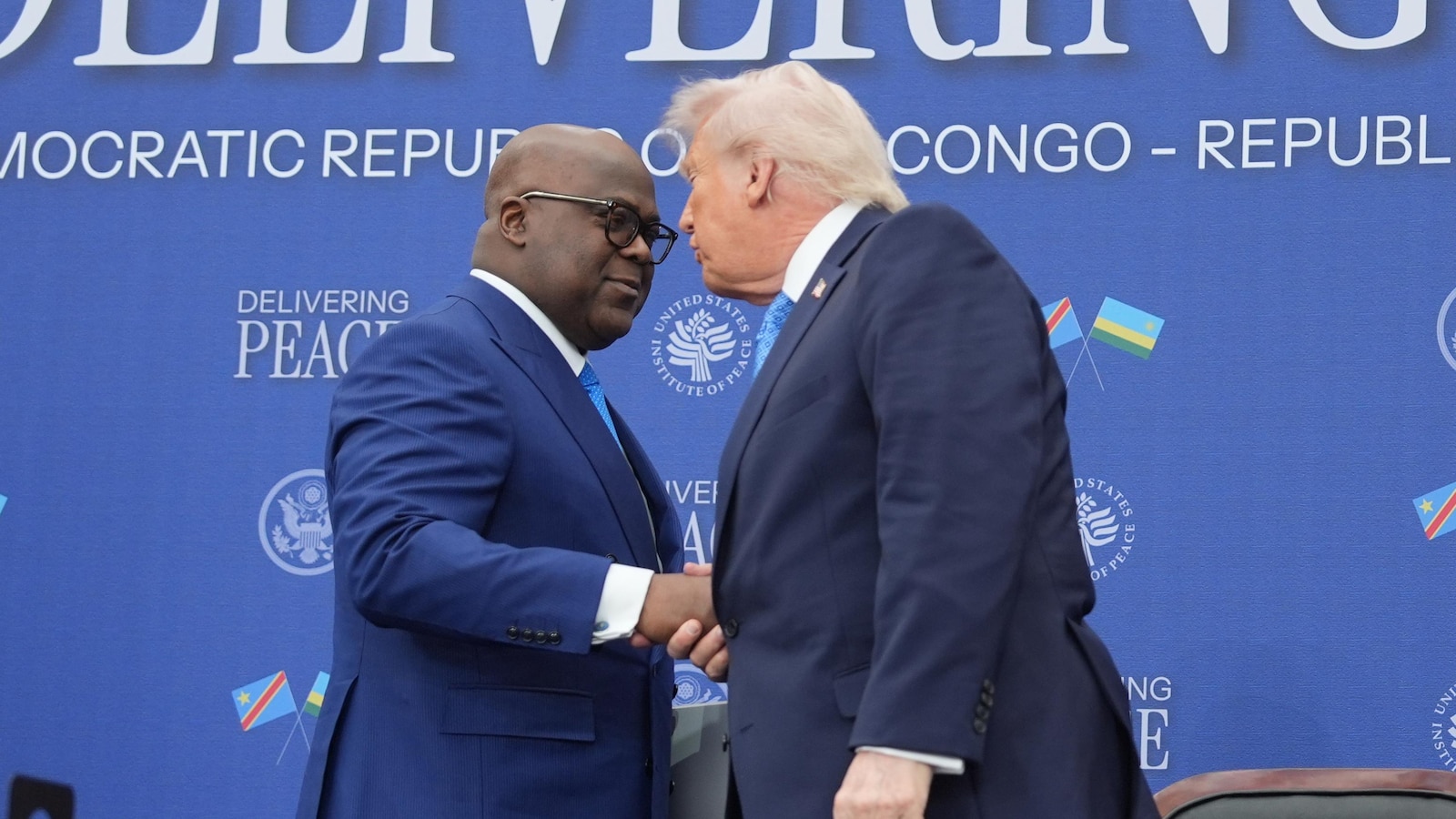
The United States and the Democratic Republic of Congo have entered into a significant health partnership worth $1.2 billion, marking a substantial investment in the Central African nation’s healthcare infrastructure. According to a joint statement released by both governments on Thursday, the U.S. Department of State has pledged to provide up to $900 million over the next five years. This funding is specifically earmarked to combat some of the region’s most pressing health challenges, including HIV/AIDS, tuberculosis, malaria, maternal and child mortality, and various other infectious diseases that continue to plague the Congolese population. As part of this collaborative effort, Congo’s government has committed to matching this international support by increasing its own domestic health expenditures by $300 million during the same five-year period, demonstrating a shared responsibility approach to addressing the country’s healthcare needs.
The Broader Context of U.S.-Africa Health Partnerships
This agreement with Congo represents the latest in a series of health partnerships that the United States has been establishing across the African continent. As of Thursday, the State Department has successfully signed 19 bilateral global health partnerships with African countries, creating a new framework for how America engages with developing nations on healthcare issues. This wave of agreements comes at a particularly critical time, as many of these same African nations, including Congo, have recently experienced the impact of U.S. aid cuts that have severely affected their healthcare systems. The irony of this situation has not been lost on observers: countries that once relied on more straightforward American assistance are now navigating a new landscape of conditional partnerships that come with both opportunities and complications. The developing world, particularly Africa, has felt the strain of reduced funding for crucial programs, including those designed to respond to disease outbreaks that can have regional and even global implications.
The “America First” Approach to Global Health
The Trump administration has framed these new bilateral agreements as part of its “America First” global health funding strategy, which represents a fundamental shift in how the United States approaches international health assistance. According to administration officials, these partnerships are designed to increase self-sufficiency among recipient nations and eliminate what they characterize as ideological priorities and wasteful spending that they claim existed in previous international assistance programs. This new framework has effectively replaced the previous patchwork of health agreements that were managed under the now-dismantled United States Agency for International Development (USAID), an organization that for decades served as America’s primary vehicle for delivering foreign aid. Policy analysts have observed that this approach to global health cooperation aligns closely with President Donald Trump’s broader pattern of conducting international relations on a transactional basis. Rather than providing aid through multilateral organizations or with few strings attached, the administration has opted for direct negotiations with foreign governments, using these bilateral discussions as leverage to advance specific American interests and policy objectives abroad.
Growing Concerns Over Data Sharing Requirements
The announcement of the U.S.-Congo health partnership has coincided with mounting concerns about controversial provisions that appear in some of these new bilateral agreements. On the very same day that the Congo deal was announced, the Africa Centers for Disease Control and Prevention publicly raised alarms about requirements in certain agreements that mandate recipient countries to share sensitive health data with Washington as a condition for receiving funding. Dr. Jean Kaseya, the director-general of the Africa CDC, spoke candidly to reporters about these concerns, stating, “There are huge concerns regarding data, regarding pathogen sharing.” These provisions would require countries to share information with the U.S. government about viruses and other pathogens within their borders that could potentially trigger disease outbreaks, creating what some see as a troubling exchange of national health sovereignty for financial assistance. The practical implications of these concerns became starkly evident when negotiations between the U.S. and Zimbabwe collapsed just one day before the Congo announcement, with the African nation ultimately rejecting the health funding deal specifically because of requirements to share sensitive health data with Washington. This breakdown in talks with Zimbabwe has raised questions about whether similar provisions have been included in other agreements, including the newly announced partnership with Congo, though officials have not clarified whether such data-sharing requirements are part of the Congolese agreement.
The Dilemma Facing African Nations
African countries now find themselves caught in a difficult position, forced to balance their desperate need for healthcare funding against concerns about sovereignty, data privacy, and the terms under which assistance is provided. The healthcare systems across the continent have been severely weakened by recent U.S. aid cuts, leaving many nations struggling to maintain crucial programs that protect their populations from preventable diseases and respond to health emergencies. For countries like Congo, which faces ongoing challenges with infectious diseases and has some of the world’s worst maternal and child mortality rates, the promise of $900 million in American funding represents a potentially life-saving opportunity that would be difficult to refuse. However, the Zimbabwe example demonstrates that some nations are willing to walk away from substantial financial assistance if they believe the conditions attached compromise their national interests or sovereignty. This creates an uneven playing field across Africa, where countries with more resources or alternative funding sources may have greater flexibility to negotiate or decline unfavorable terms, while more desperate nations may feel compelled to accept conditions they might otherwise find objectionable. The situation also raises questions about the long-term sustainability and equity of this new approach to global health partnerships.
Looking Ahead: Implications and Uncertainties
As this new era of U.S.-Africa health partnerships continues to unfold, significant questions remain about the long-term implications of this transactional approach to global health cooperation. While the $1.2 billion U.S.-Congo partnership represents a substantial financial commitment that could genuinely improve health outcomes for millions of Congolese citizens, the broader context of conditional aid and data-sharing requirements creates uncertainty about the future of international health collaboration. The collapse of the Zimbabwe deal and the Africa CDC’s public expression of concern suggest that not all African nations will accept these new terms, potentially creating a fragmented landscape where some countries receive substantial American health assistance while others are left to find alternative partners or make do with fewer resources. There are also legitimate questions about what the United States intends to do with pathogen and health data collected from partner nations, and whether these information-sharing arrangements could inadvertently create new vulnerabilities or dependencies. As Congo moves forward with implementing this partnership, and as other African nations continue to negotiate their own agreements with Washington, the international community will be watching closely to see whether this new model of health cooperation proves effective at improving health outcomes while respecting the sovereignty and interests of all parties involved. The success or failure of these partnerships may well shape the future of global health diplomacy for years to come.