
Congress Debates Trump’s Military Authority on Iran as Lawmakers Grapple with Constitutional Duty
The House Takes Its Turn on War Powers
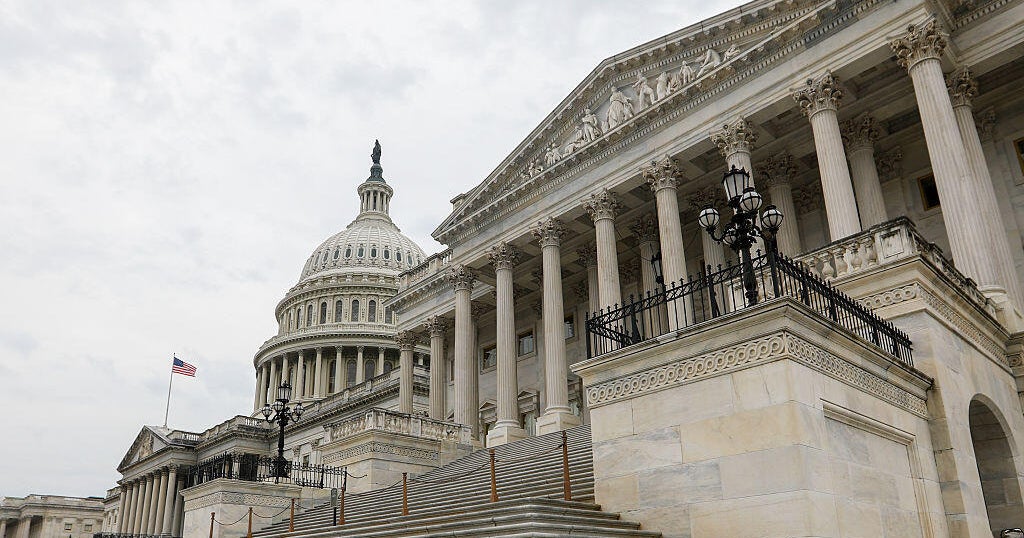
Washington is once again at the center of a heated debate about presidential power and America’s role in the Middle East. This Thursday, the House of Representatives is scheduled to vote on a critical measure that would prevent President Trump from launching further military strikes against Iran without first getting Congress’s approval. This vote comes hot on the heels of a similar effort in the Senate that didn’t make it across the finish line just a day earlier. The timing couldn’t be more significant—Americans are watching nervously, with recent polls showing that most people don’t support going to war with Iran, and an overwhelming two-thirds believe Congress should have a say before any more military action happens. It’s a classic constitutional showdown: the executive branch flexing its military muscle versus the legislative branch trying to reclaim its war-making authority. Despite the public sentiment and constitutional questions at play, most political observers expect this House resolution to face the same fate as its Senate counterpart, likely failing to gain enough support to restrict the president’s actions.
The Origins of This Constitutional Crisis
The backstory here involves Kentucky Republican Representative Thomas Massie, who has earned a reputation as one of the few GOP voices willing to publicly question Trump’s aggressive foreign policy moves, particularly regarding Venezuela and Iran. Massie isn’t new to this fight—he actually introduced this war powers resolution before the United States launched bombing campaigns against three Iranian nuclear facilities last June. He held back from pushing for a vote when a temporary ceasefire was negotiated, but now he’s reviving the effort. The resolution’s language is straightforward and blunt: it directs the president to pull American military forces out of what it calls “unauthorized hostilities” with Iran. But not everyone sees it that way. House Speaker Mike Johnson, a Louisiana Republican and Trump ally, has come out swinging against the resolution, claiming it “plays right into the hands of the enemy.” Johnson’s argument is that the military operations against Iran have been necessary for national security, conducted within legal bounds, and effective at achieving their goals. In his view, reversing course now would make America look weak and undermine ongoing efforts to protect the country. He acknowledges Congress has oversight responsibilities but warns against actions that could damage national security in the process.
The Constitutional Tug-of-War Over War Powers
At the heart of this debate is a fundamental question about how American democracy is supposed to work when it comes to war. The U.S. Constitution is crystal clear: only Congress has the power to declare war. The Founding Fathers designed it that way deliberately, wanting to ensure that the decision to send Americans into combat would require broad support from the people’s representatives, not just the judgment of one person. Yet in recent decades, presidents from both parties have found creative ways to launch military operations without getting formal congressional authorization. The pattern has become so common that it barely raises eyebrows anymore—until moments like this, when the consequences of sidelining Congress become impossible to ignore. Representative Massie has been particularly blunt about why he thinks many of his colleagues are reluctant to take this vote. During floor debate, he suggested they’re afraid to have their names on the record because America’s history of intervention in the Middle East has been such a disaster. “They don’t want their name associated with this when it doesn’t turn out well,” Massie said, cutting to the heart of the political calculation. He went further, pointing out the uncomfortable truth that it’s much easier for lawmakers to let “someone else’s sons and daughters” go off to fight without ever having to cast a vote on whether that war is justified.
Republicans Split as Party Loyalty Meets Constitutional Principle
This vote is creating some unusual political dynamics, scrambling the typical partisan battle lines in unexpected ways. While most Republicans are expected to stand with President Trump and oppose any restrictions on his military authority, a few are breaking ranks. Representative Warren Davidson of Ohio announced on the House floor that he would support the resolution, making a powerful argument about constitutional principles. He warned about “the moral hazard posed by a government no longer constrained by our Constitution,” calling it “a grave threat.” Davidson also made a pointed observation about his party’s shifting standards: “Unfortunately, Republicans now want to claim they can’t answer: What is a war?” It’s a stinging critique that highlights how political convenience sometimes trumps constitutional consistency. Other Republicans are taking a wait-and-see approach. Nebraska Representative Don Bacon, who supported a similar war powers resolution regarding Venezuela, says he’s sticking with Trump on this vote—for now. But he left the door open to changing his position if the military operation drags on for weeks or longer. South Carolina’s Nancy Mace echoed this conditional support, saying if the conflict extends beyond a few weeks or if ground troops get deployed, she’ll have serious concerns and might reconsider her vote. It’s a delicate balancing act for Republicans: supporting their president while also keeping an eye on their constitutional responsibilities and the potential political fallout if things go south.
Democrats Unite Behind Constitutional Authority While Some Break Ranks
On the Democratic side, House Minority Leader Hakeem Jeffries is predicting strong support for the war powers resolution across all wings of his party. Democrats have been hammering the Trump administration for not providing adequate justification for the Iran strikes or evidence of an imminent threat that would justify bypassing Congress. During floor debate, Jeffries didn’t mince words: “The president’s war—it’s unwise, it’s unpopular, unauthorized, unlawful and unconstitutional.” He emphasized a core democratic principle, saying “in the United States, we serve the rule of law, not the rule of man.” Jeffries reminded everyone that the Constitution requires presidential approval from Congress before launching a war, and that simply hasn’t happened in this case. But even within the Democratic caucus, there are dissenters. New Jersey Representative Josh Gottheimer announced his opposition to the resolution, arguing it “would restrict the flexibility needed to respond to real and evolving threats and risks, signaling weakness at a dangerous moment.” Gottheimer and several other Democrats are backing an alternative resolution that would give the president 30 days to withdraw forces from Iran hostilities that began after the February 28 attack, unless Congress specifically authorizes continued action. This alternative approach tries to split the difference—acknowledging presidential need for some flexibility while still asserting Congress’s constitutional role.
The War Powers Resolution and What Happens Next
The legal framework at the center of this debate is the 1973 War Powers Resolution, which Congress passed in response to the Vietnam War. That conflict had dragged on for years with presidents from both parties escalating American involvement without ever getting a formal declaration of war from Congress. Lawmakers finally said enough was enough and passed this law as a check on presidential power. The War Powers Resolution requires presidents to consult with Congress “in every possible instance” before introducing military forces into hostilities. It also mandates that the president report to Congress within 48 hours of deploying forces if there hasn’t been a declaration of war, and it limits any unauthorized military engagement to 60 days. It’s Congress’s attempt to reclaim its war-making authority without completely hamstringing a president’s ability to respond to genuine emergencies. Speaker Johnson has pushed back hard against the characterization that America is “at war” with Iran, describing the military actions as a “limited” operation rather than a full-scale conflict. He’s warned that passing this resolution could cause “serious harm,” potentially putting American troops at risk and undermining ongoing military operations. As the vote approaches, Johnson expressed confidence: “I believe we have the votes to put this down, and I certainly pray that’s true.” Whether this resolution passes or fails, the larger questions it raises aren’t going away. How much authority should a president have to launch military strikes? When does a “limited operation” become a war? And will Congress ever truly reclaim its constitutional role in deciding when America goes to war? These are questions that will outlast this particular vote and continue challenging American democracy for years to come.