
British Rapper Ghetts Sentenced to 12 Years for Fatal Hit-and-Run
A Tragic Night That Changed Lives Forever
In a heartbreaking case that has shocked both the music industry and the wider community, acclaimed British rapper Ghetts has been sentenced to 12 years behind bars for a fatal hit-and-run incident that claimed the life of a young Nepali student. Justin Clarke-Samuel, the 41-year-old artist known professionally as Ghetts, appeared before Judge Mark Lucraft at London’s Central Criminal Court on Tuesday, where he faced the devastating consequences of his actions on that fateful night in October 2025. The case centered around the death of 20-year-old Yubin Tamang, a bright young student who had traveled from Nepal to pursue his education in the United Kingdom, filled with dreams of building a better future for himself and his family. What should have been an ordinary evening turned into an unspeakable tragedy when Clarke-Samuel, driving under the influence of alcohol and at dangerous speeds, struck Tamang as he was simply crossing the street. The young student suffered catastrophic injuries in the collision and fought for his life for two days before succumbing to his injuries, leaving his family devastated and his potential unfulfilled.
The Appalling Sequence of Events
The details that emerged during the court proceedings painted a disturbing picture of the events leading up to the fatal collision. According to prosecutors, Clarke-Samuel had been drinking at a bar in central London before getting behind the wheel of his BMW. What followed was what Judge Lucraft described as “a quite appalling litany of incidents” captured on CCTV footage throughout the city. Prosecutor Philip McGhee presented evidence showing that the rapper drove his vehicle erratically through London’s streets at speeds reaching approximately 70 mph (112 kilometers per hour) – significantly above the legal limit for urban areas. The footage revealed a pattern of dangerous driving that included running six red lights and even driving on the wrong side of the road, putting countless other lives at risk. Each of these violations represented a choice, a moment where Clarke-Samuel could have stopped his reckless behavior but instead continued his dangerous journey through the capital’s streets. When the inevitable collision occurred, Yubin Tamang was simply crossing the road, going about his evening with no way to anticipate or avoid what was about to happen. The impact was so severe that the young student was “catapulted into the air before crashing down on the roadway,” as McGhee described to the court. Perhaps most damning was what happened next: rather than stopping to render aid or call emergency services, Clarke-Samuel drove approximately eight miles to his home, leaving the critically injured student lying in the street.
A Family’s Unbearable Loss
The victim impact statement delivered by Yubin Tamang’s parents, Sharmila and Bikash Tamang, revealed the profound and irreparable damage caused by that night’s events. Their words conveyed a grief so deep that it’s difficult for those who haven’t experienced such loss to fully comprehend. “Our hearts are broken beyond repair,” they stated, their simple words carrying the weight of unimaginable sorrow. Yubin was their only child, making their loss all the more devastating – their entire future as parents, their dreams of grandchildren, their hopes of seeing their son succeed, all erased in a single moment of reckless decision-making. The Tamangs spoke of how their son had come to the United Kingdom filled with ambition and hope, wanting to study and create opportunities not just for himself but for his entire family back in Nepal. This detail underscores the broader tragedy: Yubin represented not just his own dreams but the aspirations of his entire family, who had likely sacrificed and saved to give him this opportunity. “Justin Clarke-Samuel has stolen our son’s future and ours with it,” they said, a statement that captures how one person’s death ripples outward, destroying not just one life but the futures of everyone connected to that person. Their victim impact statement will likely haunt everyone who heard it, serving as a stark reminder that behind every traffic fatality statistic is a family left to navigate life with an irreplaceable void.
The Rapper’s Remorse and Fall from Grace
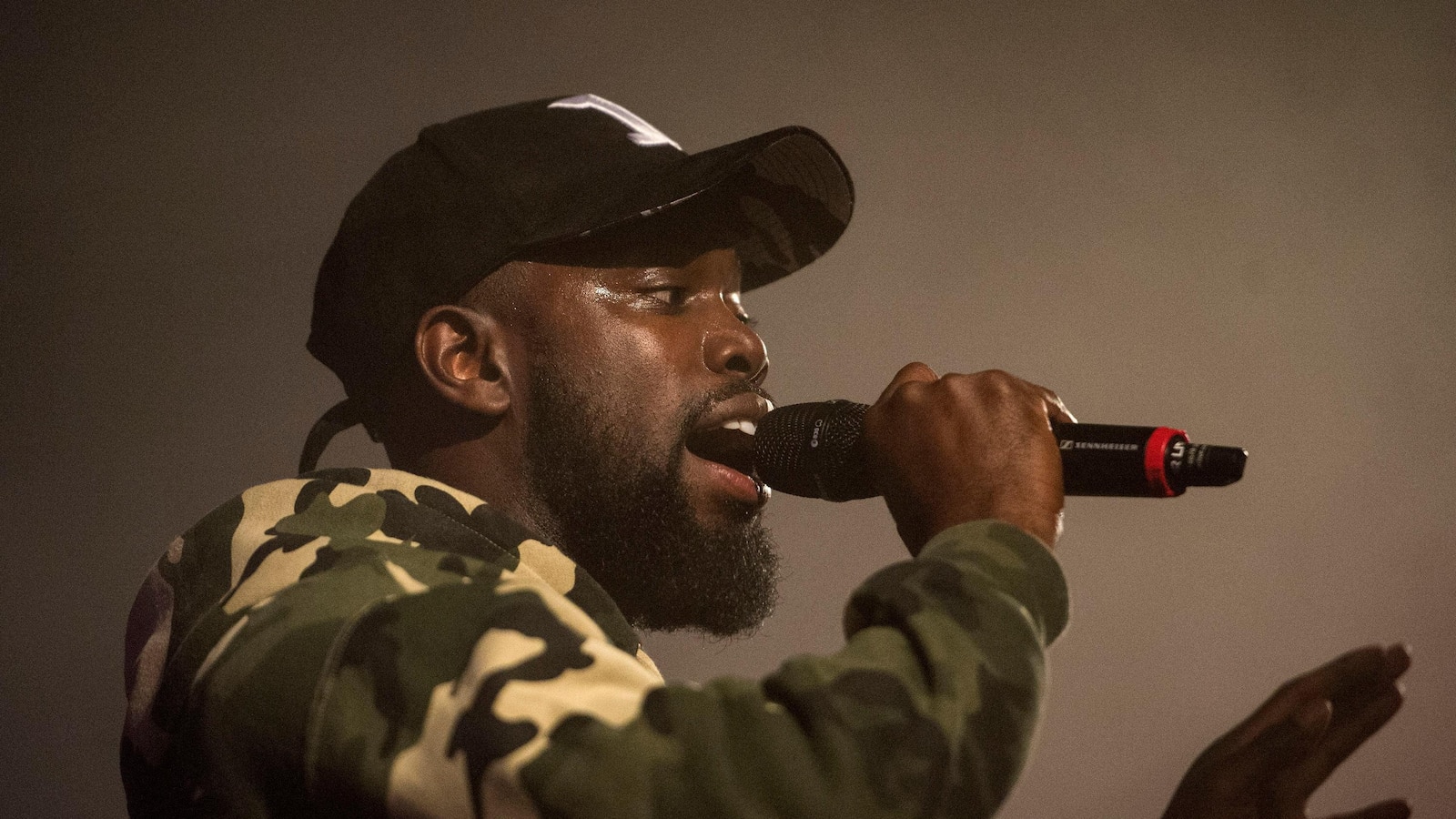
Justin Clarke-Samuel’s journey from celebrated artist to convicted criminal represents a dramatic fall from grace that has stunned the British music scene. Ghetts had established himself as a respected figure in UK grime and hip-hop, winning the best male act award at the 2021 MOBO (Music of Black Origin) awards and collaborating with some of the biggest names in music, including global superstar Ed Sheeran and fellow British rapper Stormzy. His career had been marked not just by musical success but also by community involvement, with Judge Lucraft noting that Clarke-Samuel had “done much to help others over the last 10 years.” However, as the judge pointedly observed, “all that good work is marred by driving in drink and taking the life of another young man.” Through his lawyer, Ben Aina, Clarke-Samuel read excerpts from a letter of apology addressed to the Tamang family, writing from “a place of extreme regret, shame and remorse.” He acknowledged that “there are no number of apologies that I can say which will soothe the pain that the family and friends of Mr Tamang must feel.” While the expression of remorse was noted by the court and factored into sentencing considerations, no words could undo the harm caused or bring back the young life lost. Clarke-Samuel pleaded guilty in December to causing death by dangerous driving, at least sparing the Tamang family the additional trauma of a contested trial where they would have had to relive the details of their son’s death.
The Legal Consequences and Broader Message
Judge Mark Lucraft’s sentence reflected both the severity of the crime and the need to send a clear message about the consequences of dangerous driving. The 12-year prison sentence represents a significant portion of Clarke-Samuel’s life and career, though many would argue that no amount of time could truly balance the scales of justice when weighed against a life cut short at just 20 years old. In addition to the prison term, Clarke-Samuel was banned from driving for 17 years, meaning he will be nearly 60 years old before he can legally operate a vehicle again. This extended driving ban serves multiple purposes: it protects the public from someone who has demonstrated catastrophic judgment behind the wheel, it serves as an ongoing punishment that will affect his daily life long after his release from prison, and it stands as a deterrent to others who might consider driving under the influence or engaging in reckless driving behaviors. The judge’s description of the collision as “simply shocking” and his reference to the CCTV footage showing the lead-up to the crash emphasizes how preventable this tragedy was. Every red light run, every moment of excessive speed, every second spent driving on the wrong side of the road represented an opportunity for Clarke-Samuel to make a different choice, to stop his vehicle, to call for a taxi, to do anything other than continue putting lives at risk.
Reflections on Responsibility and Prevention
This tragic case serves as a sobering reminder that fame, success, and past good deeds don’t exempt anyone from the consequences of dangerous and illegal behavior. Clarke-Samuel’s story illustrates how a single night of poor decisions can undo years of positive work and achievement while destroying innocent lives in the process. The case also highlights the ongoing crisis of drunk driving and dangerous road behavior, problems that persist despite decades of public awareness campaigns and increasingly strict laws. Yubin Tamang’s death represents not just a personal tragedy for his family but a failure of the broader social responsibility we all share to keep our roads safe. For parents like Sharmila and Bikash Tamang, who sent their only child abroad with hopes for his future, the pain is compounded by the distance from home and the knowledge that their son died alone, far from his homeland. For the UK’s Nepali community and international student population, this case may heighten feelings of vulnerability and loss. As Clarke-Samuel begins his sentence, and as the Tamang family faces a lifetime without their son, this case stands as a stark warning: the decision to drink and drive, to speed, to ignore traffic signals, carries the potential for consequences that extend far beyond the driver, shattering families and communities in ways that can never be fully repaired. The only positive that can come from such tragedy is if it prevents even one person from making similar choices in the future.