
Hilary Duff Breaks Her Silence on the Mom Group Drama
Setting the Record Straight
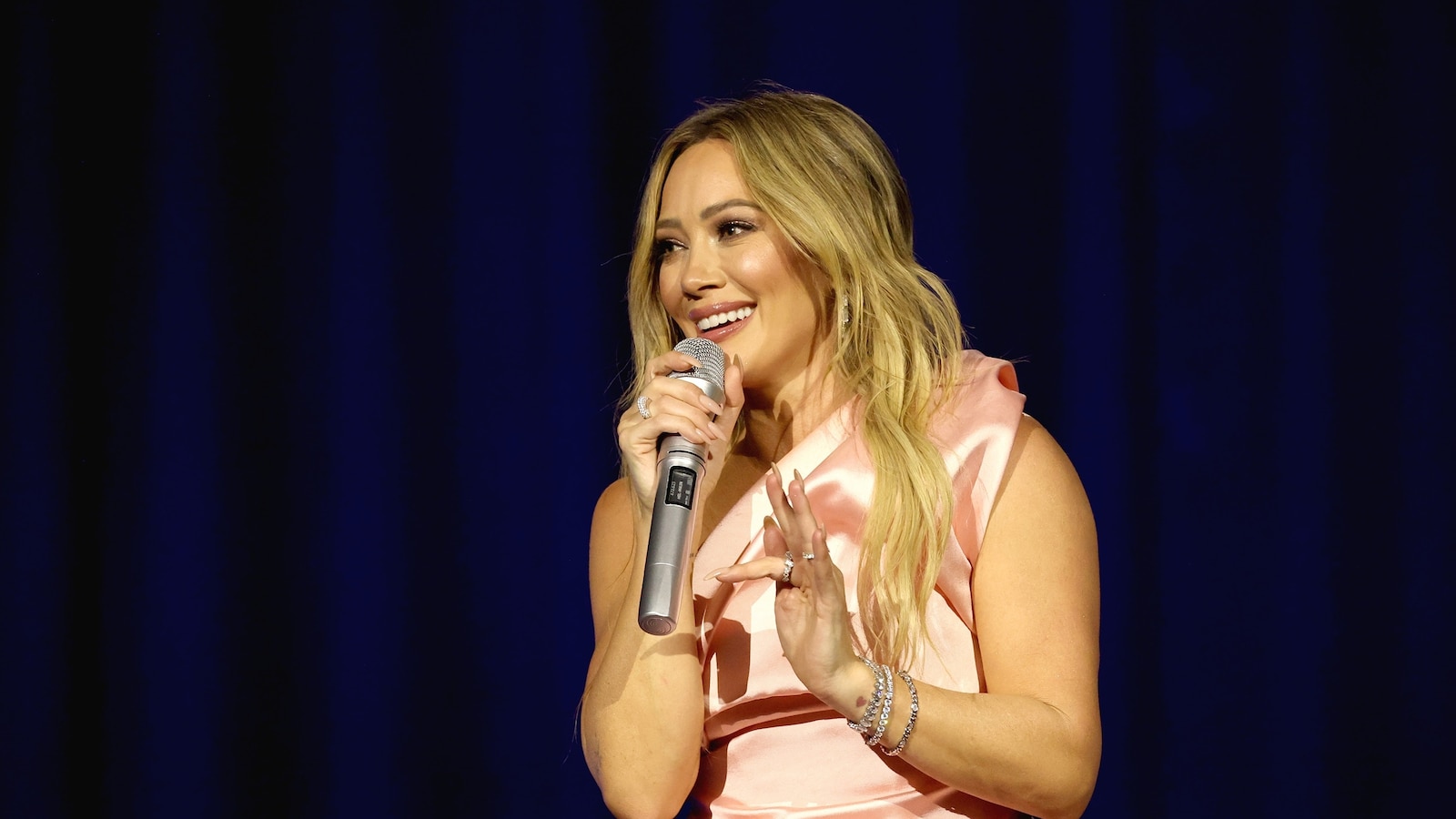
Hilary Duff has finally opened up about the controversial “toxic mom group” situation that her fellow Disney Channel alum Ashley Tisdale-French wrote about in a candid essay earlier this year. Speaking with Alex Cooper on the popular “Call Her Daddy” podcast, the “Lizzie McGuire” star and singer didn’t hold back about how the essay made her feel. Duff explained that she was genuinely surprised and hurt when she first read Tisdale-French’s piece, describing herself as “pretty taken aback” by the whole situation. What bothered her most wasn’t just being implicated in the drama, but reading something she felt didn’t accurately represent what actually happened. “I was just like, whoa, it sucks to read something that’s not true,” Duff shared with Cooper, expressing the frustration of seeing a narrative published that she fundamentally disagreed with. The timing of everything seemed particularly difficult for Duff, who was in the midst of promoting her sixth studio album “luck…or something” when the essay dropped, making an already complicated situation feel even more challenging to navigate.
Ashley Tisdale-French’s Original Essay
To understand Hilary Duff’s response, it’s important to look back at what Ashley Tisdale-French actually wrote. On January 1st, the “High School Musical” actress published an essay in The Cut titled “Breaking Up With My Toxic Mom Group,” which quickly went viral and sparked intense speculation across social media. In the piece, Tisdale-French, who shares daughter Jupiter with her husband Christopher French, described her experience joining a group of mothers after becoming a parent for the first time. Initially, everything seemed perfect—she felt “impressed” by the other women and found their company “energizing.” However, the positive feelings didn’t last long. Tisdale-French began noticing that she was being excluded from various get-togethers, and when she was invited to events, she felt deliberately sidelined. She described one particularly painful gathering where she was seated “at the end of the table, far from the rest of the women,” an arrangement that felt intentional and hurtful. The whole experience reminded her of high school cliques and social hierarchies, which is what ultimately led her to send a group text ending her participation: “This is too high school for me and I don’t want to take part in it anymore.” While Tisdale-French carefully avoided naming specific people in her essay, she did make one pointed comment that raised eyebrows: “I have never considered the moms to be bad people. (Maybe one.)”
The Fallout and Public Speculation
Even though Ashley Tisdale-French didn’t explicitly name anyone in her essay, it didn’t take long for internet sleuths to start connecting the dots. Social media users began speculating about which celebrity moms might have been part of this allegedly toxic group, with Hilary Duff’s name coming up frequently in the conversation. When Duff sat down with Alex Cooper, she acknowledged this reality head-on, saying, “I don’t really think people had to connect very many dots.” The implication was clear—despite the lack of names in the original essay, it wasn’t particularly difficult for people to figure out who might have been involved. For Duff, the timing of the essay’s publication felt especially problematic. She told Cooper that “the timing felt not great, and I felt used,” suggesting that the essay appeared at a moment when she was particularly vulnerable or busy with other aspects of her life and career. This sense of being used—of having a friendship or acquaintanceship turned into public content without her consent or ability to tell her side of the story—clearly stung. Duff emphasized that the situation wasn’t just about her feelings; it affected multiple people. “It sucks to read something that’s not true, and it sucks on behalf of six women in all of their lives,” she explained, making it clear that she was thinking about how this public airing of grievances had impacted everyone who might have been associated with the group.
A Husband’s Fierce Defense
While Hilary Duff took her time to respond publicly and chose to do so in a measured way through the podcast interview, her husband Matthew Koma didn’t wait quite as long—and his response was considerably less subtle. Koma, who is also a music producer and worked on Duff’s latest album, took to Instagram with a satirical post that made his feelings about Tisdale-French’s essay crystal clear. He shared a photo of himself photoshopped onto Tisdale-French’s body, accompanied by biting text that read: “When You’re The Most Self Obsessed Tone Deaf Person On Earth, Other Moms Tend To Shift Focus To Their Actual Toddlers.” The post included a mock sub-headline reading “A Mom Group Tell All Through A Father’s Eyes,” directly parodying the format of Tisdale-French’s original essay. When Cooper asked Duff about her husband’s pointed social media response, she admitted that while it made her laugh initially—”I was like, ‘oh my God, oh my God'”—she also made it clear that she doesn’t control what Koma posts. “I also don’t censor him, and I don’t tell him what he can and can’t post,” she explained, emphasizing that they maintain independence in how they each choose to express themselves publicly. Despite the potentially inflammatory nature of Koma’s post, Duff expressed appreciation for his protective instincts, saying, “He is so fierce for me, and I love him for that.” It’s a statement that reveals the dynamic in their relationship—she values having a partner who will stand up for her, even if his methods might be more confrontational than her own preferred approach.
Navigating Multiple Friend Groups as a Mom of Four
During her conversation with Alex Cooper, Hilary Duff also provided some context about her social life as a mother, which helps explain why the drama around this one particular group felt especially frustrating. Unlike someone navigating motherhood for the first time with a single child, Duff is managing a household with four children, which naturally means her social circle is more complex and multifaceted. “I have tons of different groups of mom friends because I have four kids,” she explained, painting a picture of someone whose life intersects with many different communities—school groups, activity groups, and friend groups from different phases of parenting. This perspective makes the focus on one allegedly “toxic” group seem particularly narrow and potentially misleading. Duff mentioned two celebrity friends specifically during the interview: Meghan Trainor and Mandy Moore. She described Moore as someone she’s crossed paths with throughout her career and with whom she’s developed a genuine close friendship over the years. As for Trainor, Duff shared that the “All About That Bass” singer has been particularly supportive during the rollout of her new album, checking in on her during what has clearly been both an exciting and stressful time. These mentions seemed intentional—a way of highlighting the positive, supportive friendships in her life, in contrast to the drama that Tisdale-French’s essay had centered on. It was Duff’s way of saying that while one group dynamic might not have worked out, she has plenty of meaningful relationships with other mothers and women in her life.
Moving Forward with New Music and Perspective
Despite the mom group drama creating unwanted headlines, Hilary Duff has been focused on what might be the most significant professional moment of her career in years—the release of her sixth studio album “luck…or something” and the announcement of her accompanying tour. The album, which dropped last week and was produced by her husband Matthew Koma, marks Duff’s return to music after an eleven-year gap since her 2015 record “Breathe In. Breathe Out.” The new project includes tracks like “Roommates,” “Mature,” and “Weather For Tennis,” and she’ll be taking these songs on the road starting June 22 with “the lucky me tour.” The fact that this mom group controversy erupted right as Duff was trying to reintroduce herself as a recording artist undoubtedly complicated what should have been a purely celebratory moment. Representatives for both Duff and Tisdale-French have been contacted for comment by “Good Morning America,” though as of the podcast recording, no official joint statement had been made to resolve the situation. What’s clear from Duff’s interview is that she feels protective not just of herself but of the other women who may have been implicated in Tisdale-French’s essay. Her insistence that the narrative presented wasn’t truthful suggests there are other perspectives on what happened within this mom group—perspectives that may never be fully aired publicly. For now, Duff seems ready to move past the drama and focus on her music, her family, and the friendships that actually nourish her rather than those that create unnecessary stress and public spectacle.